DUP Blocks Minimum Unit Pricing for Alcohol at Stormont, Drawing Public Health Criticism
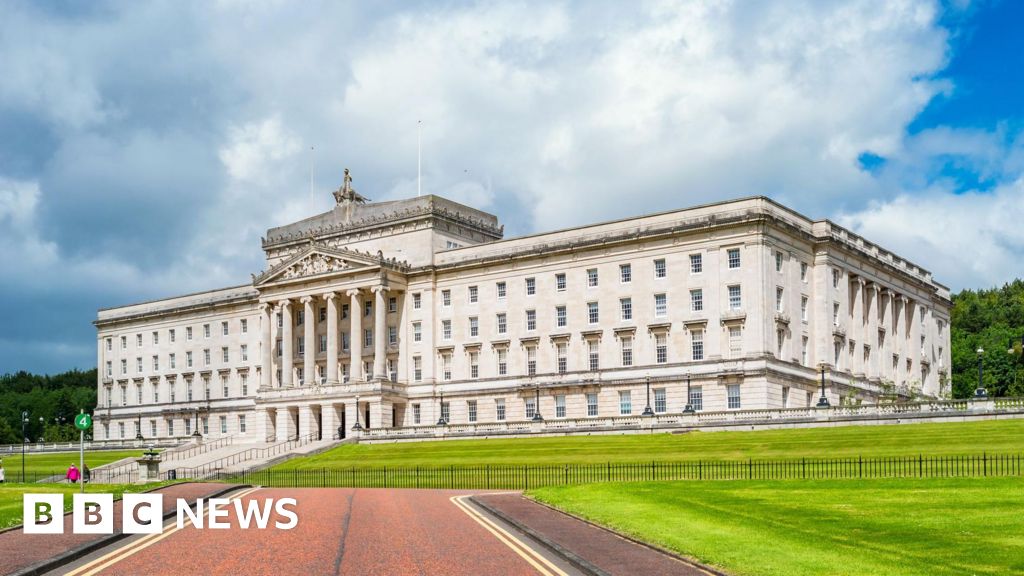
The Democratic Unionist Party has blocked plans to introduce minimum unit pricing for alcohol in Northern Ireland at Stormont, drawing sharp criticism from public health advocates who argue the decision prioritises party politics over the lives of people affected by alcohol-related harm.
The move has been widely condemned by health organisations and opposition parties, who point out that minimum unit pricing has already been introduced in Scotland, Wales, and the Republic of Ireland, where evidence shows it has significantly reduced alcohol-related deaths and hospital admissions among the heaviest drinkers. Northern Ireland is now the only part of these islands without the policy in place.
Background
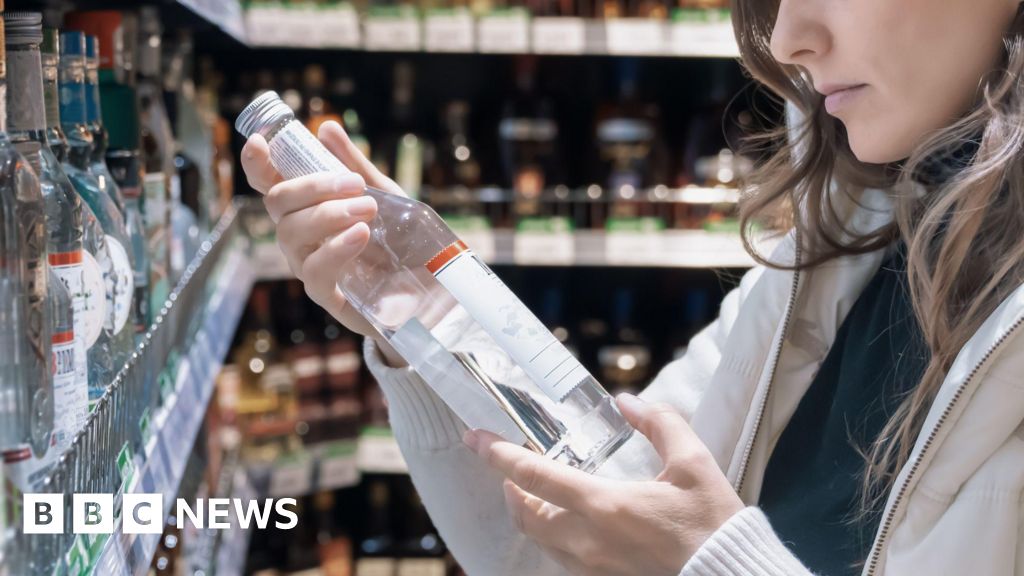
Minimum unit pricing sets a floor price per unit of alcohol, making the cheapest and strongest drinks — which are disproportionately consumed by the heaviest drinkers — more expensive. Scotland introduced the policy in May 2018 at 50p per unit, and independent evaluations by Public Health Scotland have documented remarkable results: an estimated 156 fewer deaths per year, a 13.4% reduction in alcohol-specific mortality, and around 400 fewer chronic alcohol-related hospital admissions annually. The World Health Organization has praised Scotland's approach as a "best buy" for protecting lives.
Wales followed in March 2020, and the Republic of Ireland implemented its own scheme in January 2022 at a rate equivalent to roughly 70p per UK unit. Early Irish data shows a 5% drop in alcohol consumption compared to pre-pandemic levels, with modelling projecting 197 fewer deaths and 5,878 fewer hospital admissions per year over a 20-year period, alongside €1.7 billion in societal savings.
In Northern Ireland, Health Minister Mike Nesbitt put forward a proposal for a 65p minimum unit price, with modelling suggesting it could lead to 82 fewer alcohol-related deaths annually and save £117.4 million in healthcare costs over two decades. The proposal had the support of a majority of parties at Stormont but was deemed "no longer deliverable" within the current mandate after failing to achieve the necessary Executive consensus.
Key Developments
The DUP's opposition to the measure has effectively prevented Northern Ireland from aligning with the rest of the island of Ireland and the devolved nations of Great Britain. Deputy First Minister Emma Little-Pengelly denied the party had blocked the policy outright, stating they had put questions to the Health Minister to "demonstrate that this intervention would actually work," and arguing that the "vast majority of alcohol for sale would not be impacted." DUP health spokesperson Diane Dodds argued that tackling alcohol harm requires "a whole suite of measures and not just one measure," pointing to a need for more targeted detox and rehabilitation services.
Public health advocates have rejected these arguments as inconsistent with the available evidence. They contend that the DUP's opposition reflects a prioritisation of political considerations — including concerns about the policy's association with the Republic of Ireland and reported lobbying from the drinks industry — over evidence-based public health policy.
Why It Matters
Alcohol-related harm is a severe and escalating public health crisis in Northern Ireland. Alcohol-specific deaths rose by 81% over the past decade, reaching 397 registered deaths in 2024. The Belfast Health and Social Care Trust area consistently records the highest rate of alcohol-specific deaths in Northern Ireland, and the death rate in the most deprived communities is more than three times higher than in the least deprived areas. Males account for two-thirds of all alcohol-specific deaths, and there has been a concerning rise in mortality among those aged 35 to 44.
The failure to introduce minimum unit pricing means Northern Ireland will continue to miss out on a proven intervention that has demonstrably benefited communities in Scotland, Wales, and the Republic of Ireland. Health organisations warn that the political impasse will be measured in lives lost.
Local Impact
For communities across Belfast and Northern Ireland, the consequences of this decision are deeply personal. North and west Belfast, areas that already experience some of the highest levels of deprivation in the UK, are disproportionately affected by alcohol-related harm. The evidence from Scotland shows that minimum unit pricing delivers its greatest benefits precisely in the most deprived communities — the very areas where the need is greatest in Belfast. Health workers and addiction services across the city have expressed frustration that a proven tool has been withheld for political reasons, leaving frontline services to manage a crisis that could be meaningfully reduced through legislative action.
What's Next
Health organisations are expected to continue campaigning for the policy's introduction, and the issue is likely to remain a point of contention at Stormont. The evidence base continues to grow, with Scotland's experience in particular providing a compelling case for action. Further detail on the evidence for minimum unit pricing is available from Public Health Scotland, while the scale of alcohol harm in Northern Ireland is documented by the Northern Ireland Statistics and Research Agency.