Dublin Housing Crisis Deepens as Rent Prices Hit Record Highs Across Capital
Dublin's housing crisis has reached new levels of severity as average monthly rents across the capital surpassed €2,300 for the first time, with a two-bedroom apartment now commanding an average of €2,490 per month — placing the city firmly among the most expensive rental markets in Europe. Housing charities are warning of a growing homelessness emergency, with over 17,000 people nationally in emergency accommodation by early 2026.
Background
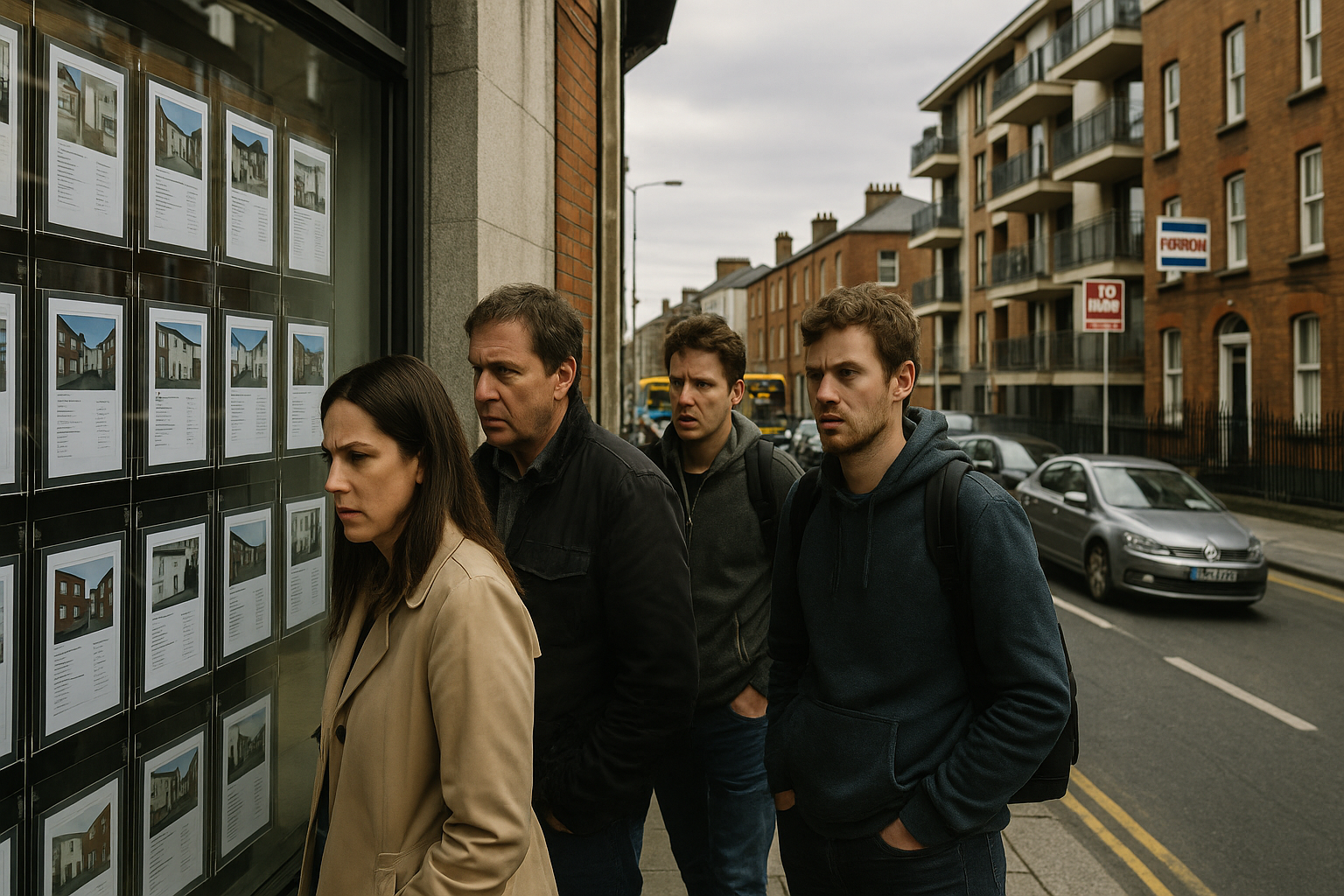
The Irish capital has been grappling with a structural housing shortage for well over a decade, but the situation has deteriorated sharply in recent years. A near-record low rental vacancy rate of between 0.5% and 0.8% means that well-priced properties are typically snapped up within a fortnight of being listed. In November 2025, just 1,901 homes were available to rent across the entire country — a figure that underscores the sheer scale of the supply crisis.
The rental market operates in a deeply unequal two-tier system. Government Rent Pressure Zone regulations cap annual increases for existing tenants at 2%, yet new legislation effective from March 2026 permits landlords to reset rents to full market rates at the start of each new tenancy. In the first quarter of 2025, new tenants were already paying an average of 16.8% more than those already in situ — a disparity that incentivises landlord-driven turnover and pushes vulnerable renters further from stability.
Compounding the supply crisis is an accelerating exodus of small landlords from the private rental sector. An estimated 62% of property sellers in 2025 were investors offloading buy-to-let properties, driven by regulatory pressures and tax inefficiencies. This has contributed to a 27% drop in rental transactions as available stock continues to shrink, according to the Residential Tenancies Board.
Key Developments
Homelessness figures have reached historic highs. In November 2025, a record 12,143 people were using homeless services in Dublin alone, including 3,939 children. Nationally, the figure stood at 16,996. By February 2026, the national total had climbed to a new record of 17,308 people in emergency accommodation — 11,851 adults and 5,457 children. These official statistics do not capture "hidden homelessness," meaning the true scale is almost certainly far greater.
Evictions are a primary driver of the surge. In the final quarter of 2025, eviction notices issued by landlords rose by 41% year-on-year. The Dublin Simon Community reports that two households in Dublin receive a termination notice or face eviction every single day. A further 674 individuals became homeless in 2025 after exiting the Direct Provision system for asylum seekers — accounting for a quarter of all new single adult homelessness cases in the capital.
The government launched its "Delivering Homes, Building Communities: An Action Plan on Housing Supply and Targeting Homelessness, 2025–2030" in November 2025, committing over €9 billion in capital funding for housing in 2026 and targeting the delivery of more than 300,000 new homes by the end of the decade. Critics, however, argue the targets are insufficient and the impact will materialise far too slowly for those currently in crisis, as detailed by Dublin Simon Community.
Why It Matters
The Dublin housing crisis is not merely a property market story — it is a social emergency with profound consequences for the fabric of Irish society. When average rents consume the majority of a working person's take-home pay, the city becomes accessible only to the highest earners, hollowing out the workforce that keeps essential services running. Teachers, nurses, retail workers, and young professionals are being priced out of the capital entirely, with knock-on effects for businesses struggling to recruit and retain staff.
For families, the consequences are even more acute. Children growing up in emergency accommodation face disrupted schooling, health impacts, and long-term developmental challenges. The Dublin Simon Community has warned of a "frightening wave of demand for emergency accommodation" looming as eviction notices continue to mount. When a housing system fails this comprehensively — when 17,000 people cannot find a roof over their heads in one of the wealthiest countries in Europe — it represents a fundamental failure of public policy that demands urgent, structural remedy rather than incremental adjustment.
Local Impact
The crisis resonates deeply across the island of Ireland, with Northern Ireland watching developments in the Republic with growing unease. Belfast itself has seen rental pressures intensify in recent years, and housing advocates in the North have pointed to Dublin's trajectory as a cautionary tale. Cross-border workers and students who commute between the two jurisdictions are increasingly caught between unaffordable rents in Dublin and limited availability in border counties. Irish government ministers have acknowledged that the housing emergency threatens the broader all-island economy, with talent retention and inward investment both affected by the inability of workers to find affordable accommodation in the capital.
What's Next
All eyes are now on the government's ability to deliver on its ambitious 300,000-homes target, with housing commencements having fallen dramatically in 2025 — a troubling sign for the supply pipeline. Housing charities are calling for an emergency increase in HAP limits, which currently leave renters unable to access the private market, and for accelerated delivery of social and affordable housing. Without a step-change in both supply and affordability supports, analysts warn that Dublin's rental crisis will deepen further through 2026 and beyond, with homelessness figures likely to set new records before any meaningful relief arrives.