Dublin Hospital Violence: St James's Records 4,000 Incidents Against Staff Over Three Years as HSE Calls for Action
St James's Hospital in Dublin has recorded almost 4,000 incidents of violence or aggression against staff over a three-year period, making it the most affected hospital in Ireland, according to new data that has prompted the HSE to call for urgent action to protect healthcare workers — with unions warning that the scale of the problem is deterring recruitment and contributing to the retention crisis that is already placing Irish hospitals under severe pressure.
Background
Violence against healthcare workers is a problem that has been growing in Ireland for over a decade, driven by a combination of factors that include the pressures of emergency department overcrowding, the impact of alcohol and drug intoxication on patient behaviour, the mental health crisis that has seen increasing numbers of acutely unwell patients presenting to emergency departments, and the broader social stresses that have intensified in the wake of the COVID-19 pandemic and the cost-of-living crisis.
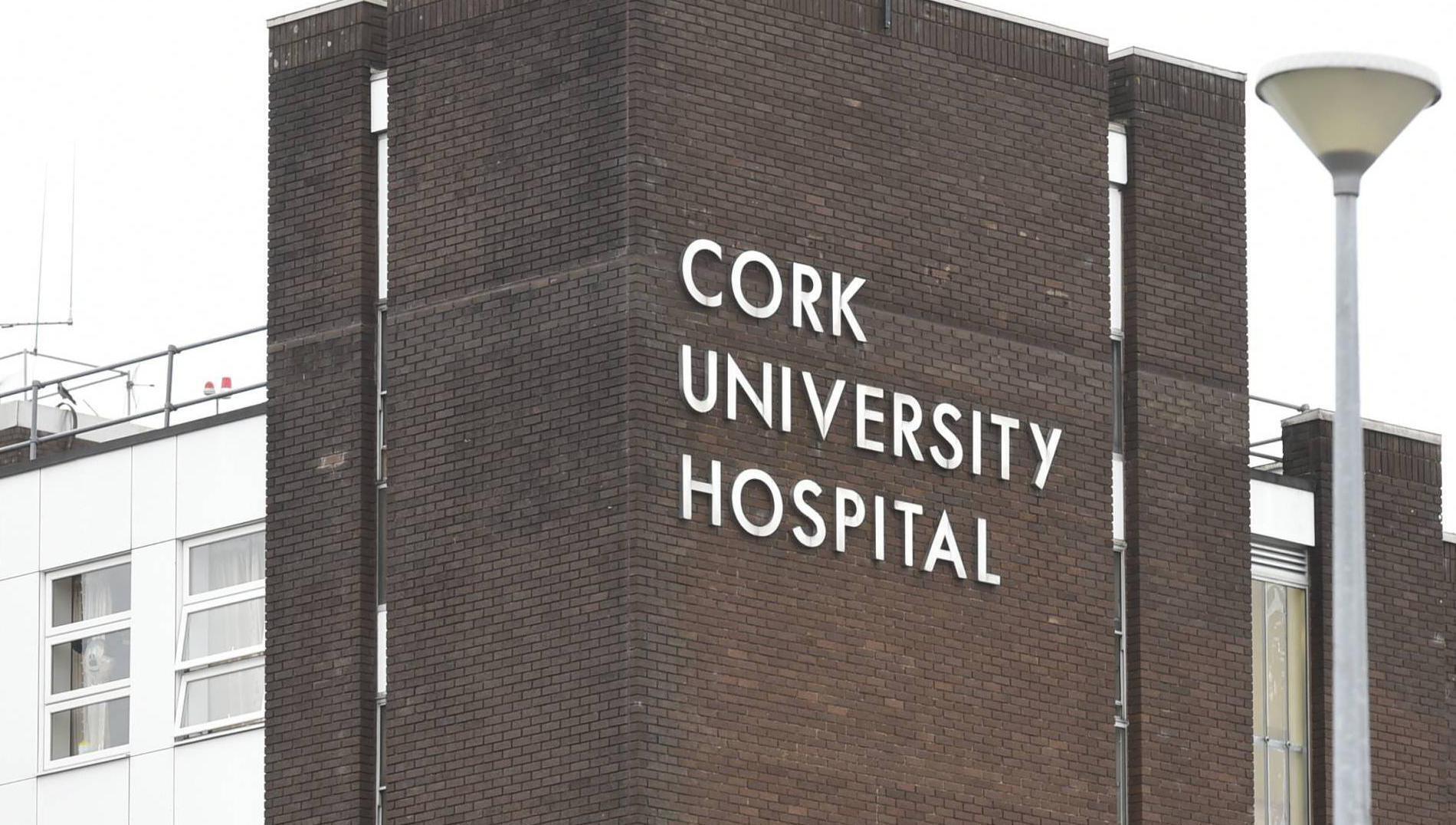
St James's Hospital, located in the south inner city of Dublin, is one of the largest acute hospitals in Ireland, serving a catchment area that includes some of the most deprived communities in the country. The hospital's emergency department is one of the busiest in the state, and the combination of high patient volumes, complex presentations, and the social challenges of the catchment area creates conditions in which incidents of violence and aggression are more likely to occur than in hospitals serving less deprived populations.
The data on violence against healthcare workers has historically been difficult to compile, partly because of inconsistencies in reporting practices across different hospitals and health trusts and partly because of a culture in which staff have been reluctant to report incidents, either because they feel that reporting will not lead to any meaningful action or because they have come to regard a certain level of aggression as an unavoidable part of the job. The HSE has been working to change that culture, encouraging staff to report all incidents and using the data to identify patterns and develop targeted interventions.
Key Developments
The new data, published by The Journal, shows that St James's Hospital recorded almost 4,000 incidents of violence or aggression against staff over a three-year period — a figure that works out at approximately 1,300 incidents per year, or more than three per day. The incidents range from verbal abuse and threatening behaviour to physical assaults, with the emergency department and the acute medical unit the most affected areas.
The HSE has responded to the data by calling for urgent action to protect healthcare workers, including enhanced security measures in the most affected areas, improved training for staff in de-escalation techniques, and stronger legal protections for healthcare workers who are assaulted in the course of their duties. The executive has also indicated that it is reviewing its incident reporting systems to ensure that all incidents are captured and that the data is used effectively to drive improvements.
The health unions — SIPTU, INMO, and Fórsa — have welcomed the HSE's response but have argued that it does not go far enough. The unions have called for mandatory minimum sentences for assaults on healthcare workers, a dedicated Garda unit to investigate such assaults, and a significant increase in security staffing at the most affected hospitals. They have also warned that the scale of the violence problem is deterring recruitment, with nursing and midwifery graduates increasingly choosing to work in countries where the risk of workplace violence is lower.
Why It Matters
The violence against healthcare workers is not merely a workplace safety issue — it is a public health issue. When nurses, doctors, and other healthcare professionals are assaulted in the course of their duties, the consequences extend beyond the immediate harm to the individual. Staff who experience violence are more likely to take sick leave, to leave their jobs, and to suffer long-term psychological harm. In a health system that is already struggling with severe staffing shortages, the loss of experienced staff to violence-related burnout and departure is a significant and underappreciated driver of the broader crisis.
The concentration of incidents at St James's Hospital — which serves one of the most deprived catchment areas in Ireland — also raises questions about the relationship between social deprivation and healthcare violence. The hospital's emergency department is a frontline service for communities that have been disproportionately affected by the housing crisis, the drug epidemic, and the mental health crisis, and the violence that staff experience is, in many cases, a symptom of the broader social failures that bring patients to the emergency department in the first place.
Addressing the violence problem therefore requires not just better security and stronger legal protections — important as those are — but also investment in the social and community services that can reduce the pressures that drive people to crisis point. That is a much larger and more complex challenge, but it is one that cannot be avoided if the problem is to be addressed at its root.
Local Impact
The impact of the violence problem is felt most directly by the staff of St James's Hospital, who work in conditions that no employee in any other sector would be expected to tolerate. Nurses and healthcare assistants in the emergency department have spoken of the psychological toll of working in an environment where verbal abuse is a daily occurrence and physical assault a regular risk. Many have described the experience of being assaulted at work as profoundly demoralising, and several have indicated that they are considering leaving the profession as a result.
For the communities served by St James's Hospital — in the Liberties, Rialto, Inchicore, and the south inner city — the violence problem has indirect consequences as well. A hospital that is struggling to retain staff because of the violence problem is a hospital that is less able to provide the quality of care that those communities need and deserve. The connection between the violence problem and the broader staffing crisis is one that the HSE and the Department of Health need to take more seriously.
What's Next
The HSE has indicated that it will publish a new national action plan on violence against healthcare workers before the end of 2026, incorporating the lessons from the St James's data and from similar analyses of other hospitals. The plan is expected to include specific targets for reducing the number of incidents, enhanced reporting requirements, and a commitment to prosecuting those who assault healthcare workers. The health unions have indicated that they will engage with the action plan process but have reserved the right to take industrial action if they believe the response is inadequate. The Oireachtas Health Committee is expected to hold hearings on the issue in October.