Dublin City Council to Borrow €36.5 Million to Fund Affordable Homes at O'Devaney Gardens
Dublin City Council has announced plans to borrow €36.5 million to fund additional affordable purchase homes at the O'Devaney Gardens development in Dublin 7, ensuring the units will not be sold on the private market — a significant intervention in one of the capital's most high-profile housing projects, and a measure of the scale of political pressure on local authorities to deliver genuinely affordable homes in a city where average house prices have surpassed €600,000.
Background
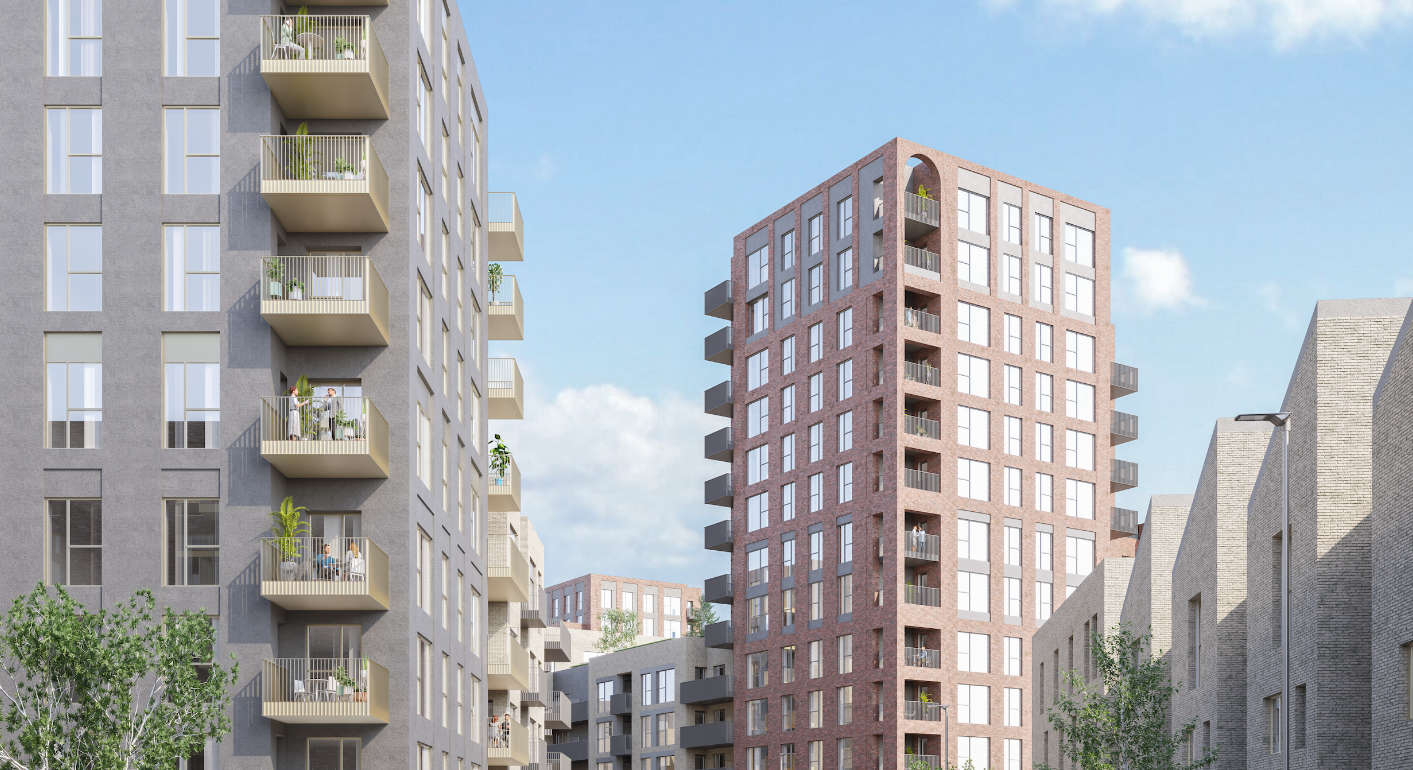
O'Devaney Gardens is a major housing development on the site of a former local authority flat complex dating back to the 1950s, located in Dublin 7 close to the Phoenix Park. After many years of delays — including a failed public-private partnership in 2008 — the project is now being led by developer Bartra and will deliver 1,044 new homes in total, comprising a mix of social, affordable, cost rental, and private residences. Work on the main project began in February 2023, with the first homes anticipated to be available in early 2026 and the entire development scheduled for completion in the first quarter of 2028. The project also includes two new parks, a crèche, and retail spaces, with the aim of creating a sustainable and integrated community.
The development sits within the context of a severe and worsening housing crisis in Dublin. As of late 2024, the average price of a home in the capital had surpassed €600,000, while the average monthly rent in Dublin stood at approximately €2,476 — a 5.2% annual increase. The Irish government's flagship "Housing for All" policy aims to deliver an average of 33,000 new homes annually until 2030, but completions have consistently fallen short of that target, with the Economic and Social Research Institute estimating that Ireland needs approximately 44,000 new homes per year to meet demand.
Key Developments
Dublin City Council announced on Tuesday that it plans to borrow €36.5 million to fund additional affordable purchase homes at O'Devaney Gardens, ensuring the units will not be sold on the private market. The move is designed to increase the supply of genuinely affordable homes in the capital and to prevent the units from being absorbed into the private rental or sale market at higher prices. The Local Authority Affordable Purchase Scheme, under which such homes are provided at below-market prices, has been a central plank of the government's housing strategy.
The announcement comes amid a series of setbacks for housing delivery across the country. The government has dropped plans to cap rental income on back-garden modular units, a move that some warned could lead to "poor quality, very expensive" rental units. Separately, Limerick councillors voted to halt a 500-unit modular home project in Boro Park, reflecting ongoing local opposition to large-scale housing developments. The Taoiseach has emphasised the need for "fiscal sustainability" in government spending, while the government announced a new package of measures on Tuesday related to fuel costs and support for the transport, farming, and fisheries sectors.
Why It Matters
The housing crisis remains the most pressing domestic political issue in Ireland, with supply constraints and affordability concerns affecting hundreds of thousands of people across the country. Dublin City Council's decision to borrow to fund affordable homes represents a significant commitment to addressing the crisis, but critics argue that the scale of intervention remains insufficient given the depth of the problem. The government's "Housing for All" plan has been described by Minister for Housing Darragh O'Brien as "the single largest investment in housing ever" and "a radical, realistic and fully funded strategy," but delivery has consistently lagged behind ambition. With house prices continuing to rise and rental costs at record levels, the political pressure on both central and local government to demonstrate tangible progress has never been greater.
Local Impact
The contrast between Dublin's housing market and that of Northern Ireland is stark. In late 2024, the average house price in Northern Ireland stood at approximately £183,000 — around €215,000 — a fraction of the Dublin average. While Northern Ireland faces its own housing pressures, including a shortage of social housing and rising rents in Belfast, the scale of the affordability crisis in the Republic is of a different order entirely. For those living and working on the island of Ireland, the divergence in housing costs has significant implications for labour mobility, cross-border commuting, and the broader economic integration that the Windsor Framework is designed to support.
What's Next
The O'Devaney Gardens development is expected to deliver its first homes in 2026, with full completion anticipated in early 2028. The government's housing strategy will be a central issue in the May 2026 local elections, with all major parties under pressure to demonstrate credible plans for increasing supply and improving affordability. Further planning reforms and investment announcements are anticipated in the coming months as the government seeks to accelerate delivery and respond to mounting public frustration.
Sources: The Irish Times; Gov.ie; Breaking News Ireland