Dáil Passes Single-Use Vapes Ban as Government Advances Public Health Legislation
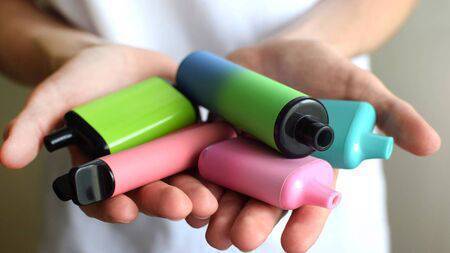
The Dáil has passed legislation to ban single-use disposable vapes in Ireland, advancing a significant public health measure that reflects growing alarm about the rapid increase in vaping among young people and the proliferation of cheap, brightly coloured disposable devices that have been marketed in ways that appeal to children and teenagers — with the bill now proceeding to the Seanad before being signed into law.
Background
The rise of vaping in Ireland, and particularly among young people, has been one of the most significant public health developments of the past decade. Electronic cigarettes were initially marketed as a smoking cessation tool for adult smokers, and there is some evidence that they can be effective in helping people to quit tobacco. However, the rapid proliferation of cheap, disposable vaping devices — often sold in bright colours and fruit flavours that are clearly designed to appeal to young people — has created a new public health challenge that is distinct from the original smoking cessation use case.
The scale of youth vaping in Ireland has alarmed health authorities and parents alike. Surveys have consistently shown that significant proportions of secondary school students have tried vaping, and that regular use is becoming increasingly common among teenagers who have never smoked cigarettes. The health implications of long-term vaping are not yet fully understood, but there is growing evidence of respiratory harm, and the addictive nature of nicotine means that young people who take up vaping are at risk of developing a dependency that may be difficult to break.
The environmental impact of disposable vapes has added a further dimension to the public health concern. Single-use vaping devices contain lithium batteries, electronic components, and plastic casings that are not biodegradable and that are frequently discarded in public spaces rather than being properly recycled. The proliferation of these devices has created a significant litter and waste management problem, with discarded vapes found in parks, schoolyards, and public spaces across the country.
Key Developments
The legislation passed by the Dáil bans the sale and supply of single-use disposable vaping devices in Ireland. The ban applies to the cheap, non-rechargeable devices that have been at the centre of the youth vaping phenomenon, while allowing the continued sale of rechargeable vaping devices that are more commonly used by adult smokers seeking to quit tobacco. The legislation also includes provisions to strengthen the enforcement of existing age restrictions on the sale of vaping products, addressing concerns that these restrictions have been widely flouted by retailers.
The bill has received broad cross-party support in the Dáil, reflecting the consensus that the youth vaping problem requires a legislative response. The Minister for Health has argued that the ban on disposable devices is a proportionate and targeted measure that addresses the specific products that are most associated with youth uptake, while avoiding an overly broad restriction that would undermine the legitimate use of vaping as a smoking cessation tool for adults.
Ireland joins a growing number of European countries that have implemented or are considering similar restrictions on disposable vaping devices. The United Kingdom introduced a ban on disposable vapes in June 2025, and several other EU member states are at various stages of developing similar legislation. The European Commission is also considering EU-wide measures to address the youth vaping problem, and Ireland's legislation is consistent with the direction of travel at the European level.
Why It Matters
The single-use vapes ban matters because it represents a clear and decisive public health intervention at a moment when the evidence of harm from youth vaping is growing. The speed with which disposable vaping devices have penetrated the youth market — from a niche product to a widespread phenomenon in the space of a few years — is a reminder of how quickly new consumer products can create public health challenges that outpace the regulatory response. The Dáil's decision to act is a recognition that the market, left to its own devices, will not address the problem of youth vaping, and that legislative intervention is necessary to protect young people from a product that is being marketed to them in ways that are clearly designed to create dependency.
The environmental dimension of the ban is also significant. The proliferation of discarded disposable vapes has created a visible and growing litter problem, and the lithium batteries in these devices pose a fire risk when improperly disposed of. The ban will reduce the volume of these devices entering the waste stream, contributing to Ireland's broader environmental and circular economy objectives.
Local Impact
The ban will be felt most immediately by the retailers who have been selling disposable vaping devices, many of whom will need to adjust their product ranges and find alternative revenue streams. The Department of Health has indicated that it will provide guidance to retailers on the transition, and that enforcement of the ban will be phased in over a period of months to allow businesses to sell through existing stock. For young people who have been using disposable vapes, the ban will reduce the accessibility of these products, though it will not eliminate access entirely — the devices are widely available online, and enforcement of the ban in the online retail environment will be a significant challenge. Schools and youth organisations have welcomed the legislation, arguing that it will make it easier to address vaping among young people and to reinforce the message that vaping is not a harmless activity.
What's Next
The legislation will now proceed to the Seanad, where it is expected to pass with minimal amendment given the broad cross-party support it received in the Dáil. The bill is expected to be signed into law by the President before the end of July. The Department of Health will publish implementation guidance for retailers and enforcement authorities in August, setting out the specific requirements of the ban and the timeline for its full implementation. The Health Service Executive will launch a public information campaign in September to raise awareness of the ban and to provide information about smoking cessation services for adults who use vaping devices.