Cork Mother Walks in Gratitude for Medics Who Saved Her Twin Babies from Rare Condition
Ciara Bowe, a mother from Cork, is undertaking a heartfelt sponsored walk to honour the medical professionals whose expertise and swift action saved the lives of her twin babies after they were diagnosed with twin-to-twin transfusion syndrome — a rare and potentially fatal pregnancy condition that affects approximately one in every 1,000 to 2,000 pregnancies. Her story is one of fear, hope, and profound gratitude for the life-saving power of skilled medical care.
Background
Twin-to-twin transfusion syndrome (TTTS) is a serious disease of the placenta that affects identical twins who share a single placenta — known as monochorionic twins. In these pregnancies, shared blood vessels in the placenta can lead to a dangerous imbalance in blood flow between the babies. One twin, known as the "donor," pumps blood to the other, the "recipient," resulting in the donor becoming smaller and anaemic with reduced amniotic fluid, while the recipient becomes overloaded with blood, placing severe strain on their heart. Without timely medical intervention, the condition can be fatal for one or both babies.
TTTS occurs in approximately 10 to 15 per cent of monochorionic twin pregnancies, making it a relatively rare but deeply serious complication. Without treatment, the mortality rate for severe TTTS can be as high as 80 to 100 per cent. The most effective treatment is a minimally invasive procedure called fetoscopic laser photocoagulation, typically performed between 16 and 26 weeks of pregnancy. During the procedure, a small camera is inserted into the uterus to identify the shared blood vessels on the placenta, which are then sealed using a laser — effectively separating the twins' blood supplies and allowing for more normal development.
In Ireland, fetoscopic laser surgery for TTTS is available at specialist centres including the National Maternity Hospital at Holles Street in Dublin and the Rotunda Hospital. Research published from the National Maternity Hospital has reported a live birth rate of 79 per cent following the procedure — a remarkable outcome for a condition that, without intervention, carries such devastating odds. These hospitals serve as vital national referral centres for complex twin pregnancies, offering hope to families who receive what can feel like an impossible diagnosis.
Key Developments
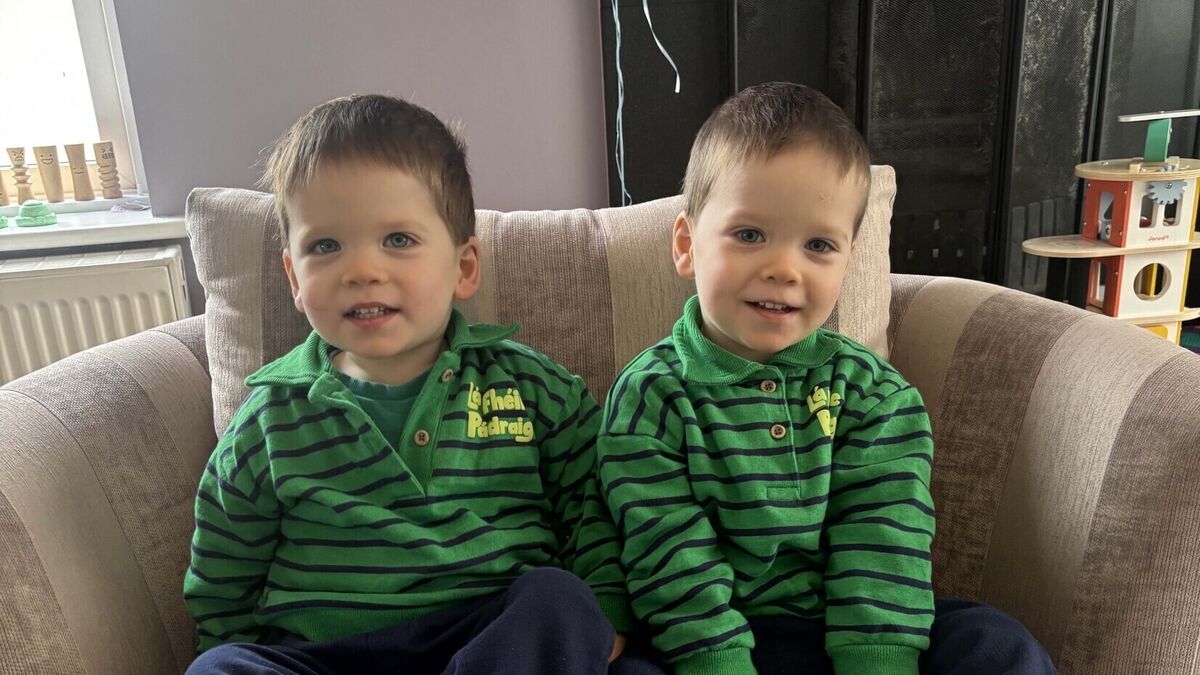
During her pregnancy, Ciara Bowe received the alarming diagnosis that her unborn twins had developed twin-to-twin transfusion syndrome. The medical team caring for her acted swiftly and with great skill to manage the condition and protect both babies. Thanks to their expertise, dedication, and the availability of specialist treatment in Ireland, Ciara's twins survived and are now thriving — a outcome that, without the intervention of skilled medical professionals, might never have been possible.
Moved by the care she received and the life-changing difference it made to her family, Ciara decided to undertake a sponsored walk as a personal and public expression of gratitude. The walk is designed not only to say thank you to the medical professionals involved but also to raise awareness of twin-to-twin transfusion syndrome among the wider public — a condition that many people have never heard of, yet which can have devastating consequences for families who encounter it.
Ciara has spoken movingly about the fear and uncertainty she experienced during her pregnancy and the immense relief and joy she felt when her twins were born safely. She hopes that by sharing her story, other families facing similar diagnoses will know that there is hope and that skilled medical care can make all the difference. The walk has resonated deeply with communities across Cork and beyond, with many people coming forward to offer their support and share their own experiences of navigating difficult pregnancies.
Why It Matters
Stories like Ciara's shine a powerful light on the extraordinary work carried out every day by medical professionals across Ireland. They also highlight the critical importance of awareness and early diagnosis for conditions like TTTS, where timely intervention is the difference between life and death. With survival rates for at least one baby exceeding 80 per cent following laser surgery, the availability of specialist treatment in Ireland is genuinely life-saving — but only if the condition is identified early enough for intervention to be possible. Raising public awareness of TTTS and the symptoms that should prompt urgent medical attention is therefore not merely a matter of interest but of genuine clinical importance. Ciara's walk serves as a powerful reminder of the human connections that underpin healthcare and the profound gratitude that patients and families feel towards those who care for them in their most vulnerable moments.
Local Impact
For communities across Ireland, including those in Northern Ireland who access specialist maternity services on both sides of the border, Ciara's story is a reminder of the vital importance of well-resourced, specialist maternity care. The availability of fetoscopic laser surgery in Dublin has been a lifeline for families across the island, but access to specialist services remains a concern for many families in rural and border areas who face long journeys to reach the care they need. Healthcare advocates have called for greater investment in specialist maternity services and improved pathways for early diagnosis of conditions like TTTS, so that more families can benefit from the kind of timely, expert intervention that saved Ciara's twins.
What's Next
Ciara's walk is ongoing, and she is encouraging others to join her or donate to the cause. She hopes the initiative will help fund further research into twin-to-twin transfusion syndrome and support families who receive the diagnosis in the future. Her story is a testament to resilience, gratitude, and the life-saving power of compassionate medical care. For more information about TTTS, visit Johns Hopkins Medicine and The Irish News.