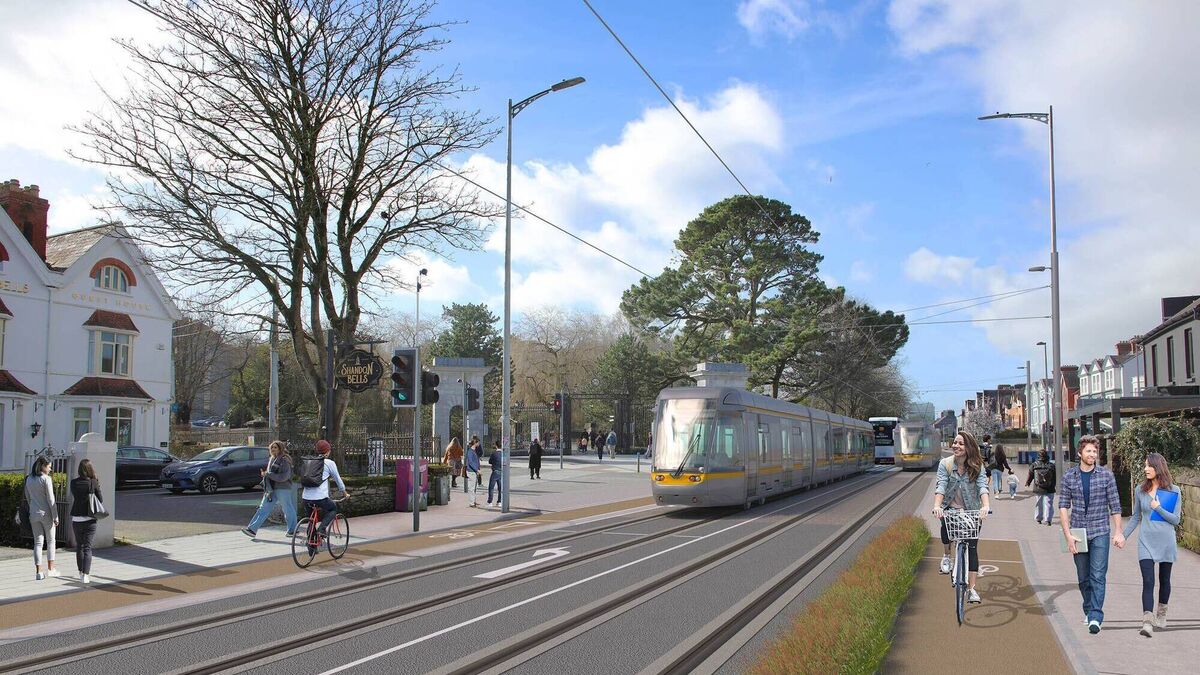
Cork Luas Public Consultation Closes as GAA Clubs and Hospital Raise Route Objections
The public consultation on the preferred route for the proposed Luas Cork light rail line closes on Friday, 12 June, with a significant volume of objections received from community groups, sports clubs and healthcare institutions whose facilities would be directly affected by the proposed 18.6-kilometre route — setting the stage for a complex planning process that will determine the future of Cork's most ambitious transport project.
Background
The case for a light rail system in Cork has been made for decades. Ireland's second city has grown rapidly in recent years, with population projections suggesting that the Cork Metropolitan Area will need to accommodate an additional 50 to 60 per cent more residents by 2040. The city's road network, already under significant pressure, cannot absorb that growth without a fundamental shift in how people move around the city. The Luas Cork project — a proposed 18.6-kilometre light rail line running from Ballincollig in the west to Mahon Point in the east — is the centrepiece of the Cork Metropolitan Area Transport Strategy (CMATS) and the government's response to that challenge.
The project has been in development for several years, with Transport Infrastructure Ireland (TII) working through a series of route options before settling on a preferred route that was published in April 2026. The preferred route includes 27 stops, serving key locations including Munster Technological University, Cork University Hospital, University College Cork, Cork city centre, Kent Station, the Cork Docklands and Páirc Uí Chaoimh. The estimated cost is between €2 billion and €3 billion, making it one of the largest infrastructure projects ever proposed for the south of Ireland.
The non-statutory public consultation that closes on 12 June is an early stage in the planning process, designed to gather community feedback before a formal Railway Order application is submitted to An Coimisiún Pleanála, which is not expected until 2028. However, the volume and nature of the objections received during this consultation will shape the further development of the route.
Key Developments
The most vocal opposition to the preferred route has come from Bishopstown GAA and Highfield Rugby Club, both of which have stated publicly that the proposed alignment cuts through their grounds and poses an "existential threat" to their ability to provide sporting facilities to their communities. Both clubs have indicated that they will formally oppose the route at the planning stage and are seeking legal advice on their options.
Cork University Hospital has also raised concerns about the proposed route through its campus, which would bisect the hospital grounds and potentially disrupt access to the facility during the construction phase. Hospital management has called for TII to explore alternative alignments that would minimise the impact on patient care and hospital operations.
Transport Minister Darragh O'Brien has acknowledged the concerns raised by the sports clubs and suggested that impacted organisations should be compensated with new facilities or additional grounds. TII has stated that it is actively engaging with affected parties to minimise land impacts and that the preferred route is not yet finalised.
Why It Matters
The Luas Cork project is not simply a transport initiative — it is a statement about what kind of city Cork wants to be in 2040. The city's current transport infrastructure is heavily car-dependent, with congestion on key routes into the city centre already at levels that are damaging productivity and quality of life. Without a significant investment in public transport, that situation will only worsen as the population grows.
The light rail system would connect communities across the city in a way that the existing bus network cannot, providing fast, frequent and reliable public transport that is genuinely competitive with the private car. The Cork Docklands development — which is expected to provide 20,000 new homes and 25,000 jobs — is particularly dependent on the Luas, as the area's transport infrastructure is currently inadequate to support development at that scale.
The objections from sports clubs and the hospital are a reminder that major infrastructure projects always involve trade-offs, and that the communities most directly affected by those trade-offs deserve to be heard. The challenge for TII and the government is to find a route that delivers the transport benefits of the Luas while minimising the impact on existing community facilities — a balance that is rarely easy to achieve.
Local Impact
For Cork city residents, the Luas represents the prospect of a fundamentally different relationship with public transport. The 27 proposed stops would bring light rail within walking distance of a significant proportion of the city's population, and the frequency of service — expected to be every few minutes at peak times — would make it a genuinely attractive alternative to driving. Areas such as Ballincollig, which currently has limited public transport connections to the city centre, would benefit particularly significantly.
The construction phase, however, will bring significant disruption. The route passes through some of Cork's busiest streets, and the work required to lay the tracks and install the infrastructure will inevitably affect traffic, pedestrian access and local businesses for an extended period. TII has indicated that it will develop a detailed construction management plan to minimise disruption, but the experience of the Dublin Luas construction suggests that some level of disruption is unavoidable.
What's Next
Following the close of the public consultation on 12 June, TII will analyse the submissions received and use them to inform further development of the preferred route. A revised route is expected to be published later in 2026, incorporating changes made in response to the consultation feedback. The formal Railway Order application to An Coimisiún Pleanála is not expected until 2028, with construction unlikely to begin before 2030 and the line not expected to be operational until the mid-2030s at the earliest.