Budget 2027 to Fund Shingles Vaccine as Government Targets Older Adults in Preventive Health Push
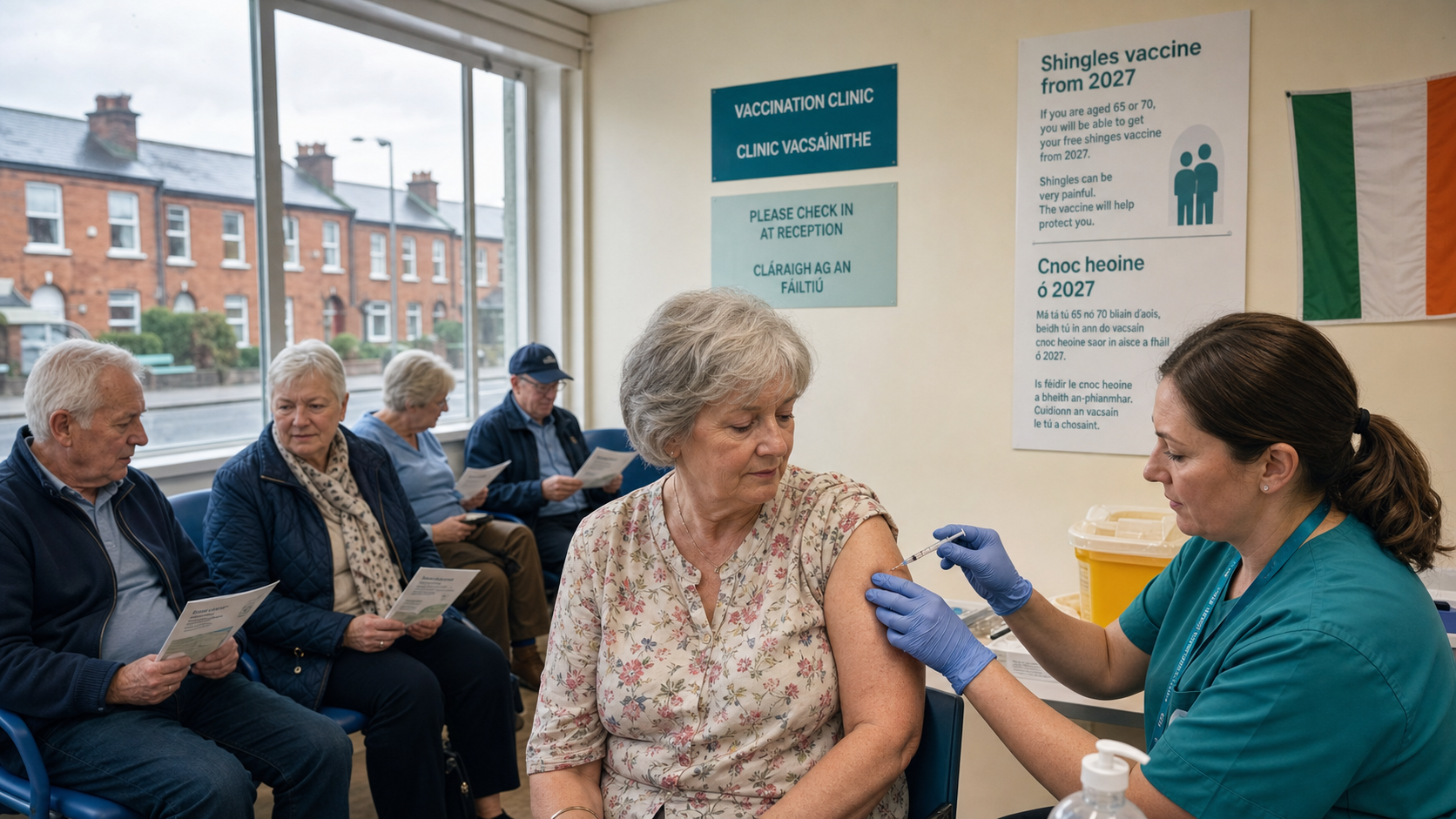
Budget 2027 is expected to include funding for the shingles vaccine for older adults, a commitment that emerged from the coalition's think-in and represents a significant expansion of Ireland's national immunisation programme — a measure that health advocates have been seeking for several years and that will provide protection against a condition that causes severe pain and can lead to serious complications including post-herpetic neuralgia, a form of chronic nerve pain that can persist for months or years after the initial infection.
Background
Shingles, known medically as herpes zoster, is caused by the reactivation of the varicella-zoster virus — the same virus that causes chickenpox. After a person recovers from chickenpox, the virus remains dormant in the nervous system and can reactivate decades later, causing the painful rash and nerve pain characteristic of shingles. The condition is most common in older adults and in people with weakened immune systems, with approximately one in three people developing shingles at some point in their lives.
The consequences of shingles can be severe. Post-herpetic neuralgia, which occurs when the nerve pain persists after the rash has healed, affects approximately 10 to 15% of shingles patients and can be debilitating, significantly reducing quality of life and independence. Shingles can also cause complications including vision loss if it affects the eye, hearing loss, and in rare cases encephalitis. The condition places a significant burden on the health service, with GP visits, hospital admissions, and long-term pain management all contributing to the cost.
Two shingles vaccines are currently available: Zostavax, a live attenuated vaccine, and Shingrix, a recombinant adjuvanted vaccine that is more effective and is recommended for older adults and immunocompromised individuals. Neither vaccine is currently available free of charge through the HSE, meaning that older adults who wish to be vaccinated must pay for it privately — a cost that puts it out of reach for many people on fixed incomes.
Key Developments
The commitment to fund the shingles vaccine in Budget 2027 emerged from the coalition's think-in, where health policy was among the priorities discussed. The precise details of the programme — which age groups will be eligible, which vaccine will be used, and how it will be delivered — have not yet been confirmed, but health advocates expect the programme to target adults aged 65 and over, with the possibility of extending eligibility to younger adults with specific risk factors.
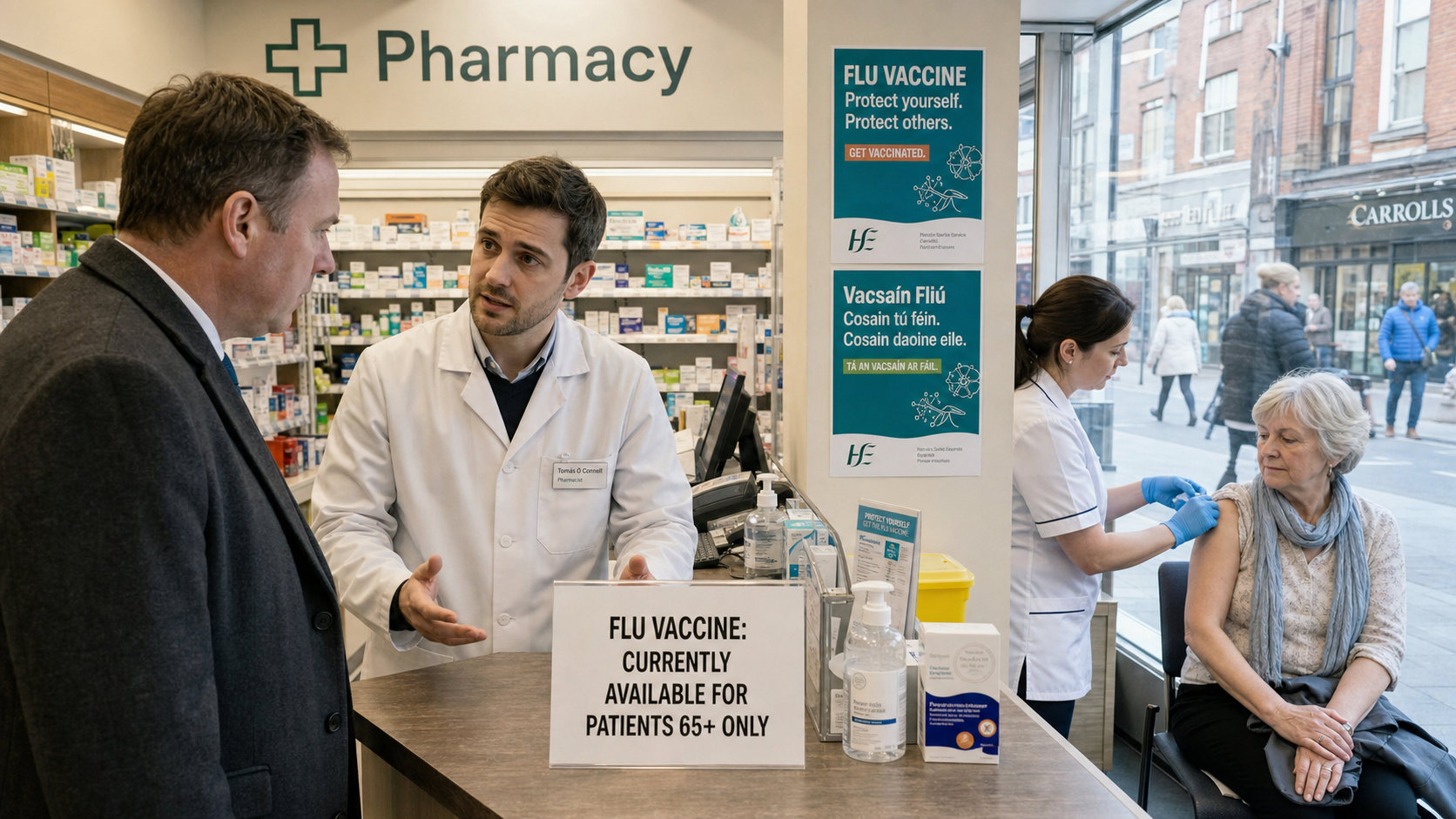
The National Immunisation Advisory Committee has previously recommended the introduction of a publicly funded shingles vaccination programme, and the Budget 2027 commitment represents the government's acceptance of that recommendation. The programme will be delivered through the HSE's existing immunisation infrastructure, with GPs and pharmacies expected to play a central role in administration.
The shingles vaccine commitment is part of a broader preventive health agenda that the government has been developing in the context of Budget 2027. Other measures under consideration include expanded cancer screening programmes and increased investment in mental health services, reflecting a recognition that preventive care is more cost-effective than treating conditions after they have developed.
Why It Matters
The shingles vaccine commitment matters because it represents a genuine improvement in the health protection available to older adults in Ireland. The current situation — in which a safe and effective vaccine is available but accessible only to those who can afford to pay for it privately — is a form of health inequality that the publicly funded programme will address. For older adults on low incomes, the free vaccine will provide protection that was previously unavailable to them.
The broader significance is the signal it sends about the government's approach to preventive health. Ireland has historically underinvested in prevention relative to treatment, with the health budget dominated by acute hospital care. The shingles vaccine commitment, alongside the existing HPV and flu vaccination programmes, suggests a gradual shift toward a more preventive approach that could, over time, reduce the burden on acute services and improve population health outcomes.
Local Impact
The shingles vaccination programme will benefit older adults across Ireland, with the greatest impact likely in areas with higher concentrations of older people — rural counties such as Roscommon, Leitrim, and Longford, where the population is older on average than in urban areas, and where access to private healthcare is more limited. GP practices and pharmacies across the country will need to prepare for the increased demand for vaccinations, with the HSE expected to provide guidance on the rollout in the weeks following the Budget announcement.
What's Next
The full details of the shingles vaccination programme will be announced as part of Budget 2027 on October 6, 2026. The HSE will then develop an implementation plan, with the programme expected to begin in early 2027. The National Immunisation Advisory Committee will provide guidance on the specific vaccine to be used and the eligibility criteria for the programme. Health advocates have welcomed the commitment and are calling for the programme to be implemented as quickly as possible, given the significant burden that shingles places on older adults and the health service.