The Boy Who Changed the Law on Medicinal Cannabis Turns 21 and Is Thriving
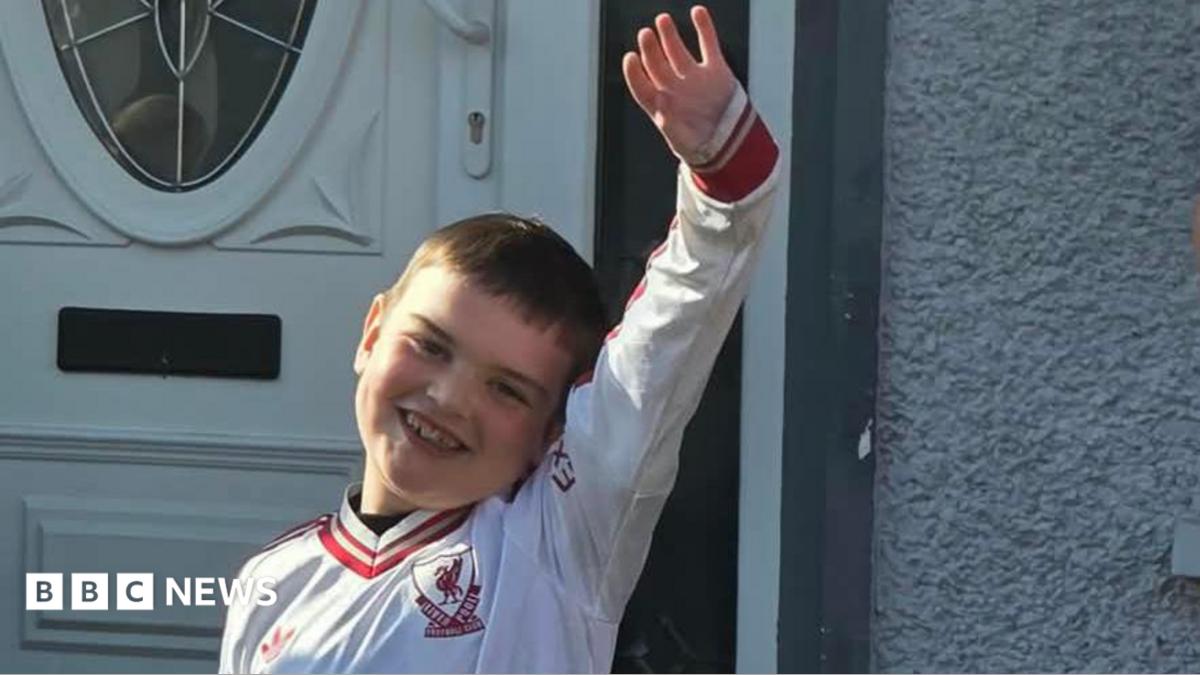
Billy Caldwell from Castlederg in County Tyrone, whose desperate fight for access to medicinal cannabis as a child triggered a landmark change in UK law and brought the issue of epilepsy treatment to the forefront of public consciousness, has turned 21 years old — and by every account, he is flourishing.
Background
Billy's story began in the most harrowing of circumstances. As a young child, he suffered from a severe and intractable form of epilepsy that at its worst caused hundreds of life-threatening seizures every single day. Conventional pharmaceutical treatments had failed him repeatedly, leaving his mother Charlotte Caldwell in a state of near-constant terror as she watched her son's condition deteriorate. The family's search for an effective treatment eventually led them to medicinal cannabis — specifically cannabis oil containing both CBD and the psychoactive compound THC — which proved transformative in reducing the frequency and severity of Billy's seizures.
The path to legal access was neither straightforward nor swift. In 2017, Billy briefly became the first person in the United Kingdom to receive an NHS prescription for cannabis oil, a milestone that was swiftly followed by the confiscation of his medication by authorities at Heathrow Airport when Charlotte attempted to bring a supply back from Canada. The scenes of a distressed mother and her visibly unwell son at the airport captured the public imagination and generated enormous political pressure. By November 2018, the UK government had changed the law to allow specialist doctors to prescribe medicinal cannabis — a direct consequence of Billy's case and the advocacy of his family.
The journey from that point to Billy's 21st birthday has not been without its difficulties. Access through the NHS has remained limited, with the health service restricting prescriptions to a small number of patients with specific, severe conditions. Charlotte Caldwell has continued to advocate for systemic reform, warning that the private medicinal cannabis sector requires far stricter regulation to ensure consistent quality and clinical standards. But through all of it, Billy himself has continued to improve.
Key Developments
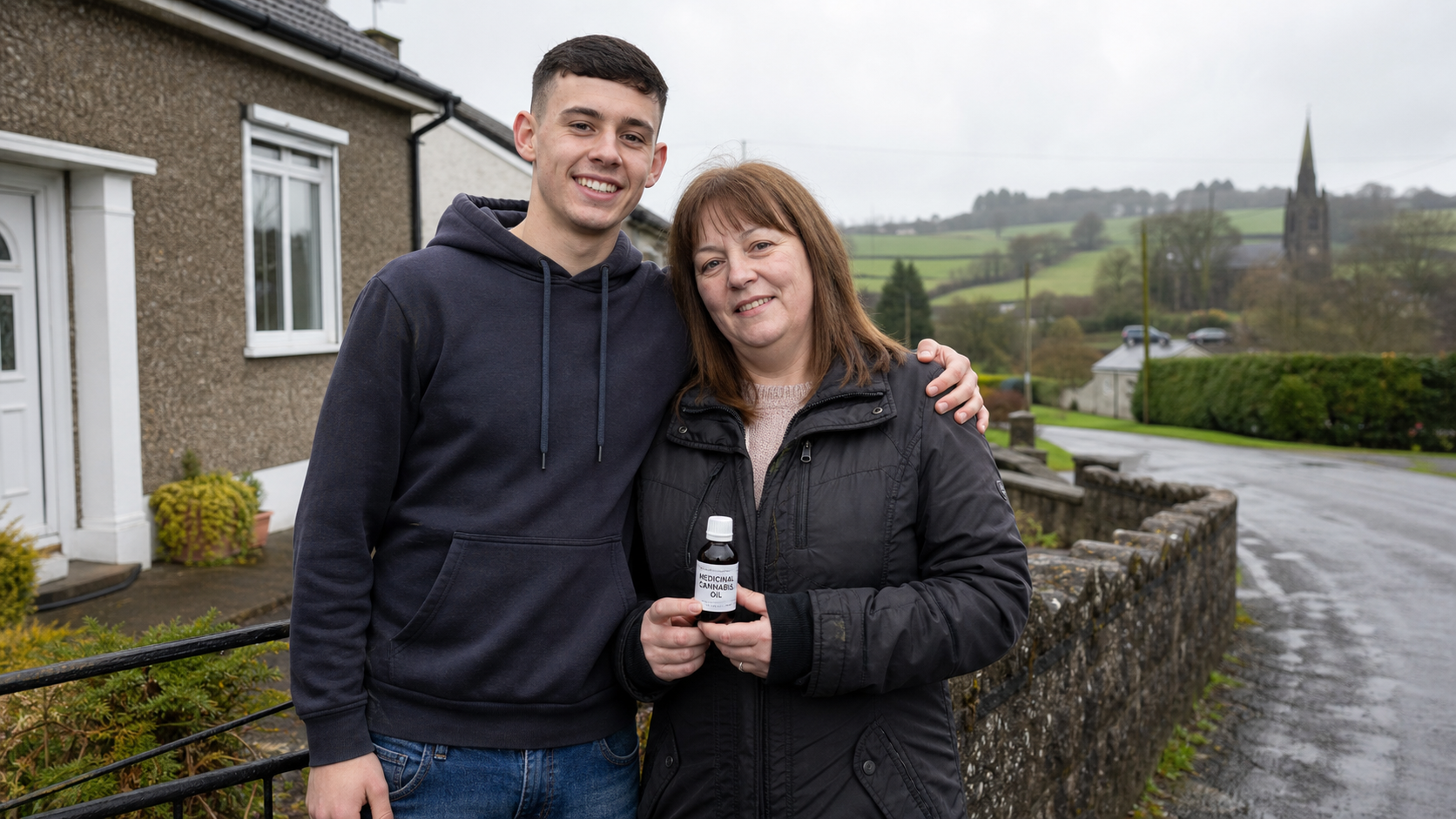
As Billy marks his 21st birthday, the picture painted by those who know him is one of remarkable transformation. The young man who once spent much of his childhood in hospital beds and medical facilities now participates in swimming and horse-riding, activities that would have been unimaginable during the darkest years of his illness. Charlotte Caldwell has described her son as "thriving" — a word that carries enormous weight given the prognosis that once hung over him.
The contrast with his early childhood is stark. At his worst, Billy was suffering up to 300 seizures a day, many of them life-threatening. Pharmaceutical interventions had left him heavily medicated and still unwell. The introduction of medicinal cannabis changed that trajectory fundamentally, reducing his seizure burden to a level that allowed him to engage with the world around him in ways that had previously been impossible.
Charlotte has been careful to note that Billy's success does not mean the battle is won for the thousands of other patients across the UK and Ireland who are still struggling to access medicinal cannabis through legitimate channels. She has called for the private clinic sector to be held to the same standards of clinical rigour as any other medical practice, warning that inconsistent quality and supply chain instability risk undermining the credibility of a treatment that has genuinely changed lives.
Why It Matters
Billy Caldwell's story is one of the most consequential individual advocacy cases in recent Northern Irish and British medical history. The changes his family's campaign triggered did not merely affect one child — they opened a door for thousands of patients across the UK who had been denied access to a treatment that, for many, represented their last realistic hope. The 2018 law change was not a gift from a benevolent government; it was extracted through public pressure, media attention, and the sheer moral force of a mother refusing to accept that her son should suffer unnecessarily.
The fact that Billy is now 21 and living a full life is not just a personal triumph — it is a vindication of that campaign and a reminder of what determined advocacy can achieve. It also serves as a benchmark against which the ongoing failures of the system can be measured. For every Billy Caldwell who has been able to access effective treatment, there are others who have not, either because NHS access remains too restricted or because the private sector has not been adequately regulated. Charlotte Caldwell's continued advocacy ensures that Billy's story does not become a comfortable ending but remains an ongoing challenge to the medical and political establishment.
In Northern Ireland specifically, the case resonates deeply. The Health and Social Care Board's decision to fund Billy's private prescription as an interim arrangement in 2020 was a significant moment for the region, acknowledging the inadequacy of existing provision and the need for a more compassionate approach to complex cases.
Local Impact
In Castlederg, the small County Tyrone town where Billy grew up, his 21st birthday is a cause for quiet celebration in a community that has followed his journey with enormous pride and affection. The town, which sits in the Derg Valley close to the Donegal border, has watched one of its own become a symbol of resilience and the power of a family's love to change the world around them. Local schools have used Billy's story as an example of how one person's experience can drive systemic change, and his case is frequently cited in discussions about patient advocacy and the relationship between personal testimony and public policy. For families across the Western Health and Social Care Trust area who are navigating similar battles for their children's medical needs, Billy's milestone birthday is a source of genuine hope.
What's Next
Charlotte Caldwell has indicated that she will continue to advocate for reform of the medicinal cannabis sector, with a particular focus on improving NHS access and establishing clearer regulatory standards for private providers. She is expected to engage with the Northern Ireland Assembly's health committee in the coming months to press for a review of current prescribing guidelines. For Billy himself, the focus is simply on living the life that his treatment has made possible — a prospect that, not so many years ago, seemed almost impossibly remote.