Belfast to Host Fleadh Cheoil 2026: City Centre Pedestrianisation Plans Unveiled
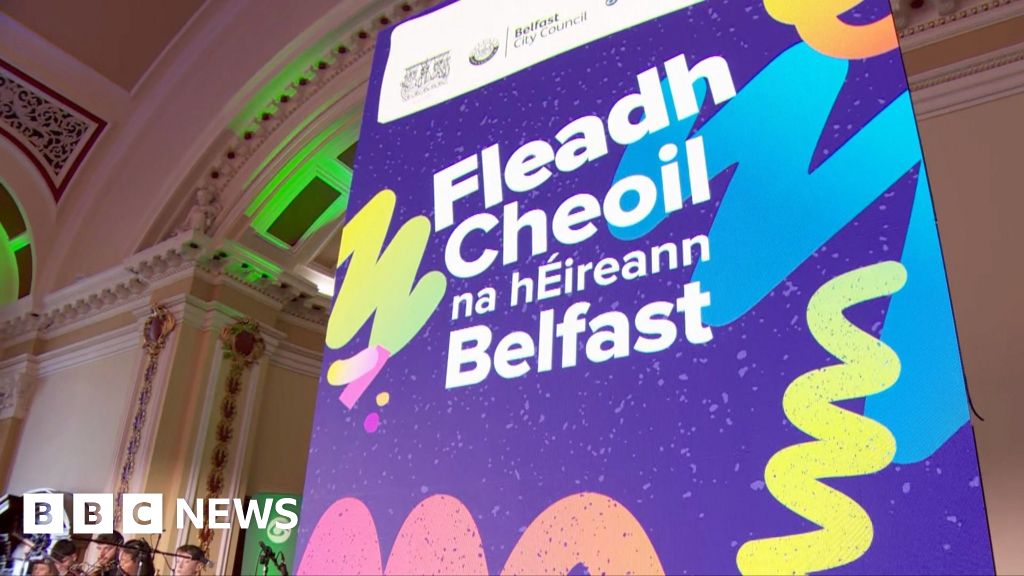
Belfast City Council has unveiled extensive pedestrianisation plans for the city centre ahead of Fleadh Cheoil na hÉireann 2026, with the festival expected to draw 800,000 visitors to the city between 2 and 9 August in what will be the largest event ever staged in Belfast — and a potential economic windfall of up to £70 million for the local economy.
The council has proposed closing all roads and streets in the city centre to vehicle traffic — either fully or partially — from 6am on Sunday, 2 August to 5am on Monday, 10 August, to ensure pedestrian safety and create the open-air, vibrant atmosphere characteristic of the Fleadh Cheoil. A public consultation on the proposed road closures ran from 16 March to 6 April 2026.
Background
Fleadh Cheoil na hÉireann — meaning "music festival of Ireland" — is the world's largest annual celebration of Irish traditional music, song, language, and dance. Organised by Comhaltas Ceoltóirí Éireann (CCE), the festival was first held in Mullingar in 1951, when a small group of musicians gathered to restore prestige to traditional music at a time when it faced declining popular appreciation. What began as a modest gathering of a few hundred enthusiasts has grown into a global phenomenon, with a tiered qualification system drawing competitors from county and provincial fleadhanna across Ireland, Great Britain, North America, and beyond.
This will be the first time Belfast has hosted Fleadh Cheoil na hÉireann, with the city also confirmed to host the festival again in August 2027. The event, co-hosted with Comhaltas and Ards CCÉ, follows the historic precedent set in 2013 when Derry became the first city in Northern Ireland to host the Fleadh — a landmark moment that demonstrated the festival's capacity for cultural bridge-building across communities and borders.
Belfast's selection is the culmination of a long-term strategic effort to position the city as a leading destination for cultural tourism. In November 2021, Belfast was designated a UNESCO City of Music — a prestigious accolade shared with cities like Liverpool and Glasgow — formally recognising the depth of its music scene, from its deep roots in traditional Irish music to its contributions to punk, rock, and contemporary genres.
Key Developments
The area around City Hall, which will serve as the location for the Gig Rig main stage, will implement phased closures to support increased public transport usage. Confirmed headline acts for the opening day include Sharon Shannon, Goitse, and Blackwater Céilí Band, performing alongside pipe bands and school choirs in a free concert outside City Hall.
To accommodate the expected influx of visitors, temporary campsites are planned at Ormeau Park (for tents), the Titanic Quarter (for motorhomes and caravans), and Falls Park (an additional tent campsite). Visitors will be encouraged to walk, cycle, or use public transport, with Park and Ride sites near key arterial routes and a daily shuttle service operated by Translink. The Fleadh will extend beyond the city centre into local neighbourhoods, utilising various venues, outdoor spaces, and vacant land across Belfast, with street performances, pub sessions, competitions, céilí dancing, marching bands, and a fringe programme of family-friendly activities.
Why It Matters
The economic precedent set by previous host cities is substantial. When Ennis hosted the Fleadh in 2016, it attracted an estimated 400,000 visitors and generated an economic impact of €38 million for the town and surrounding region. Belfast's projections are even more ambitious: official estimates anticipate at least 700,000 attendees and an economic impact of between £60 million and £70 million. Tourism NI's director of events, Aine Kearney, has stated that the Fleadh is expected to create a tourism legacy comparable to The Open Championship, which generated nearly £90 million in direct economic impact when held at Royal Portrush. Approximately 27% of Fleadh attendees typically travel from overseas, with 18% coming from mainland Europe and North America, giving Belfast an unparalleled opportunity to showcase itself on a global stage.
Councillor Natasha Brennan, Chair of the council's Strategic Policy and Resources Committee, confirmed that the Fleadh is expected to be the largest event ever staged in Belfast, generating substantial tourism and economic benefits for local businesses and hospitality providers. The direct cost of hosting the event is estimated at around £2 million — making the projected £70 million return an extraordinary benefit to the local economy.
Local Impact
For Belfast, the Fleadh represents far more than an economic opportunity. It is a powerful moment of cultural affirmation for a city that has worked hard to redefine its international identity. The Belfast Traditional Music Trail — an award-winning immersive experience led by professional musicians through historic city centre alleyways and traditional pubs — provides a ready-made cultural offering for the thousands of visitors seeking authentic traditional music. Run by the Irish language and cultural centre An Droichead, the trail has earned five-star reviews and international recognition, and will be a key attraction for Fleadh visitors. The festival will also provide a significant boost to the city's hospitality, retail, and accommodation sectors, with hotels and guesthouses across Belfast and the wider region expected to fill rapidly.
What's Next
The council will publish final road closure details following the public consultation period. Businesses and residents within the city centre event zone are encouraged to engage with the council's logistics hub. Full details are available at Belfast City Council, with further information on the festival programme at Fleadh Cheoil na hÉireann and on Belfast's UNESCO City of Music designation at Belfast City Council's music pages.