Belfast Residents Transform Neglected Alleyways into Thriving Community Gardens
Residents in the Beechmount area of West Belfast have transformed neglected back alleyways — once hotspots for illegal dumping and anti-social behaviour — into vibrant shared community gardens, in an inspiring example of grassroots action that is bringing neighbours together, improving quality of life, and drawing national recognition for the city's community spirit.
The Beechmount projects are part of a broader wave of community-led environmental initiatives sweeping across Belfast, from the Holyland in South Belfast to the Lower Botanic Gardens, reflecting a growing movement of residents taking pride in their local environment and working together to create lasting positive change. The gardens have become gathering places for neighbours of all ages, and a model that other communities across Northern Ireland are now looking to replicate.
Background
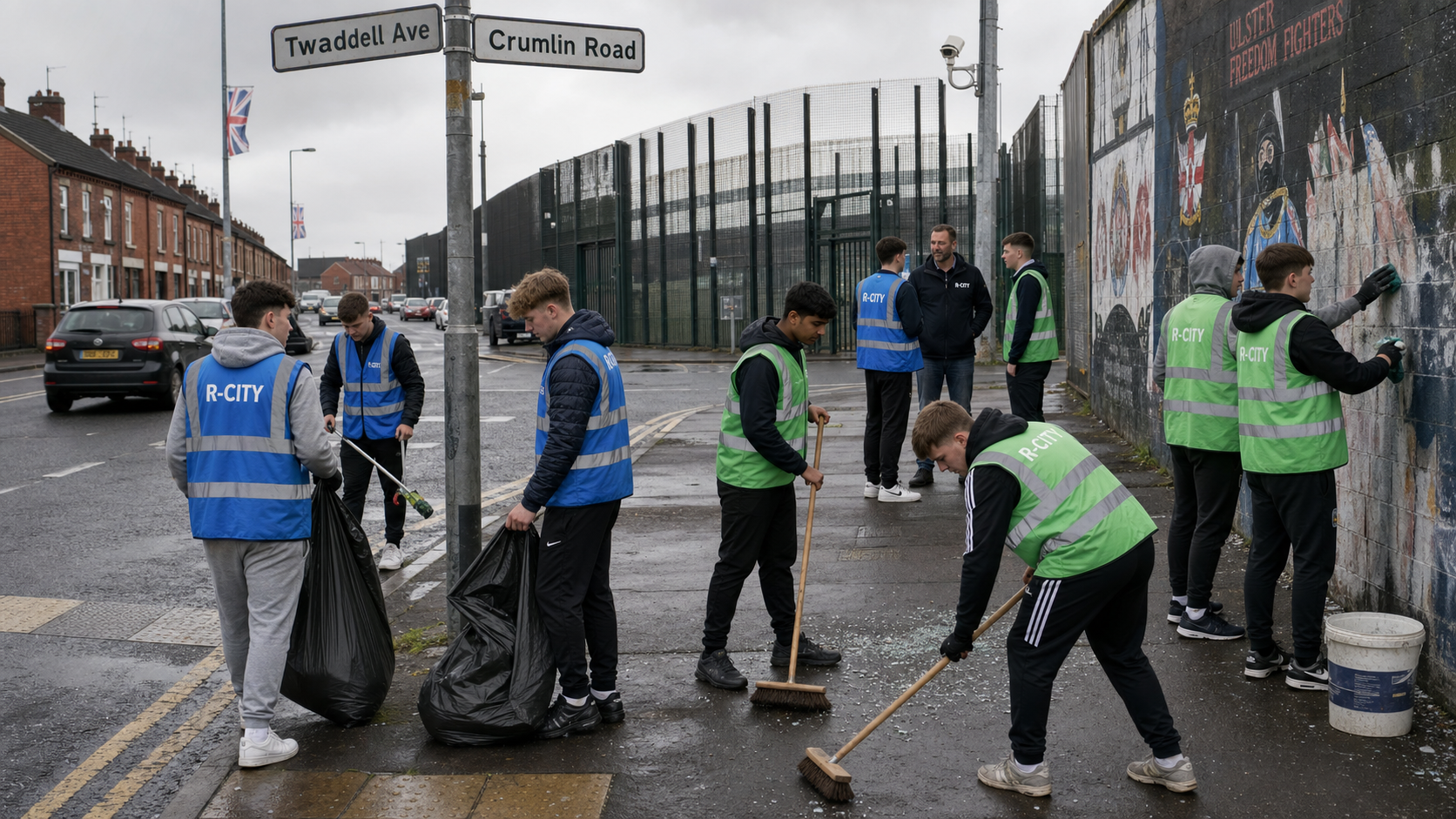
The alleyways in the Beechmount area had long been a source of frustration for local residents, with illegal dumping, graffiti, and anti-social behaviour making them unwelcoming and unsafe. The transformation began when resident Stacey McAnoy, inspired by nearby projects, started cleaning a neglected alley on Clowney Street. That single act catalysed a community effort, resulting in the installation of planters, picnic tables, and communal art — effectively curbing illegal dumping and fostering a new sense of neighbourhood pride.
The Three Sisters Community Gardening Group has been a key driver in the movement, expanding from a single alley during lockdown to regenerating multiple alleyways across the area. Their work earned significant recognition in 2025, with the group long-listed for the prestigious "Ireland's Greenest Community" award. The Beechmount Residents Collective — Comhphobal Ard na bhFeá — has also used its Beechmount Grove garden as a base for promoting grassroots unity and community growth, demonstrating how green spaces can serve as anchors for wider community development.
In South Belfast, Wildflower Alley in the Holyland celebrated its tenth anniversary in May 2025, standing as a testament to the long-term success of these initiatives. Started in 2015, the project transformed a derelict, unsafe alleyway in a dense student area into a celebrated community sanctuary — and an inspiration for similar projects across the city.
Key Developments
A pivotal development for 2025-2026 has been Belfast's selection as a winner in the Bloomberg Philanthropies Mayors Challenge, securing $1 million in funding dedicated to transforming the management of the city's alleyways. The investment aims to move away from a reactive maintenance model towards a sustainable, collaborative approach co-designed with residents, including local resource hubs, recycled materials, digital tools, and small grants to support resident-led action. Lord Mayor Councillor Tracy Kelly described the award as a "blank canvas" to work directly with residents and support their ideas.
Belfast City Council's "Growing Communities Strategy" is also providing a formal framework for expanding opportunities and ensuring equitable access to the benefits of community gardening. The council's "Community Support Plan 2025-2029" will roll out multi-annual funding grants from 2026, helping to build resilient and engaged communities. A new agroecology community garden in the Lower Botanic Gardens, part of an EU-funded initiative with Queen's University, is expected to be fully open in 2025, testing sustainable food growing methods and engaging the local community.
Why It Matters
Community-led initiatives like the Beechmount garden projects have been shown to have significant benefits that extend far beyond the immediate environmental improvement. The Royal Horticultural Society's landmark "State of Gardening Report 2025" found that 77% of gardeners report positive effects on their mental wellbeing, while community gardening participants show a 39% lower Body Mass Index and increased fruit and vegetable consumption. Some studies indicate a potential drop in crime rates of 10-20% in proximity to community gardens, as well-maintained green spaces deter anti-social behaviour.
The social benefits are equally compelling. Research shows that 85% of community gardeners report stronger community bonds, as shared spaces foster inclusion, learning, and resilience. Over half of community gardening groups specifically aim to combat social isolation — a particularly pressing issue in urban areas with complex histories like Belfast. In a city still navigating the legacy of the Troubles, these acts of community solidarity carry a meaning that goes beyond horticulture.
Local Impact
For Belfast, the community garden movement represents something genuinely significant: a grassroots-led reimagining of shared public space in communities that have historically had fraught relationships with their immediate environment. The Beechmount projects, the Wildflower Alley anniversary, and the Bloomberg award together signal that Belfast is emerging as a leader in community-driven urban regeneration — a model that other cities across Northern Ireland and the Republic are watching closely.
Belfast City Council's investment in the Growing Communities Strategy and the Community Support Plan 2025-2029 suggests that institutional support is now aligning with grassroots energy, creating the conditions for these projects to scale and sustain themselves over the long term.
What's Next
The success of the Beechmount project is inspiring other communities across Belfast to consider similar initiatives, and the Bloomberg funding will provide a structured framework for expanding the model city-wide. As Belfast Media reports, the city's alleyways are set to change for the better — and the residents leading that change are doing so one planter, one picnic table, and one shared meal at a time. Further details on the community garden movement can be found via Belfast Live, which has documented the remarkable transformation of these once-neglected spaces.