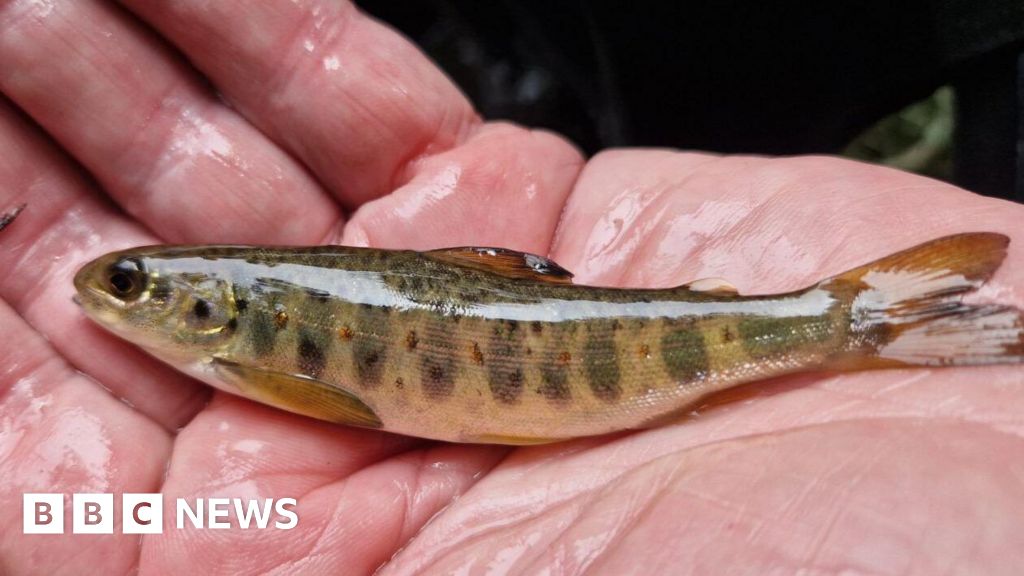
Atlantic Salmon Return to Breed in River Don for First Time in Over 200 Years
In a remarkable conservation success story, Atlantic salmon have been confirmed breeding in the River Don in Yorkshire for the first time in more than two centuries — the result of 25 years of painstaking restoration work that has transformed one of England's most polluted rivers into a thriving habitat.
Background
The River Don, which flows through Sheffield and Doncaster in South Yorkshire, was once one of England's most ecologically devastated waterways. Centuries of industrial pollution during the 18th and 19th centuries decimated Atlantic salmon populations and rendered the river effectively lifeless. The recovery journey began approximately 35 years ago, with initial improvements in water quality allowing salmon to return to Doncaster's centre — but breeding had not been confirmed until now.
Key Developments
A wild-born Atlantic salmon parr was discovered in August 2025 during an electrofishing survey in Sheffield, confirming successful spawning in the river for the first time in over two centuries. The discovery is the culmination of more than two decades of dedicated conservation work by the Don Catchment Rivers Trust (DCRT) and its partners.
Key to the success was the systematic installation of fish passes to reconnect the river and allow salmon to navigate upstream. The completion of the Masbrough fish pass in Rotherham in 2020 was a crucial step, linking up the entire system. Habitat restoration work at Salmon Pastures in Sheffield — including the addition of boulders and large woody debris to create resting and hiding places for young fish — has also been vital.
The Environment Agency has scaled up its regulatory work in parallel, increasing farm inspections from 4,000 to 6,000 annually to tackle agricultural pollution, and increasing water company inspections from 1,409 in 2022/23 to over 4,000 in 2024/25, with a target of 10,000 by March 2026.
Why It Matters
The return of breeding salmon to the River Don is a powerful symbol of what sustained, collaborative conservation effort can achieve. Atlantic salmon are a keystone species whose presence indicates a healthy river ecosystem. However, challenges remain: the DCRT is now targeting two weirs at Oughtibridge for removal or modification to open up more historic spawning grounds, and concerns persist about predation by cormorants and goosanders.
What's Next
Conservation work on the River Don will continue, with further barrier removal and habitat improvement planned. The DCRT is working with the North Atlantic Salmon Conservation Organisation to address challenges in marine environments. Read the full BBC report here.