Belfast Hosts Landmark Summit of the Cities as All-Island Urban Leaders Tackle Housing and Transport Crisis
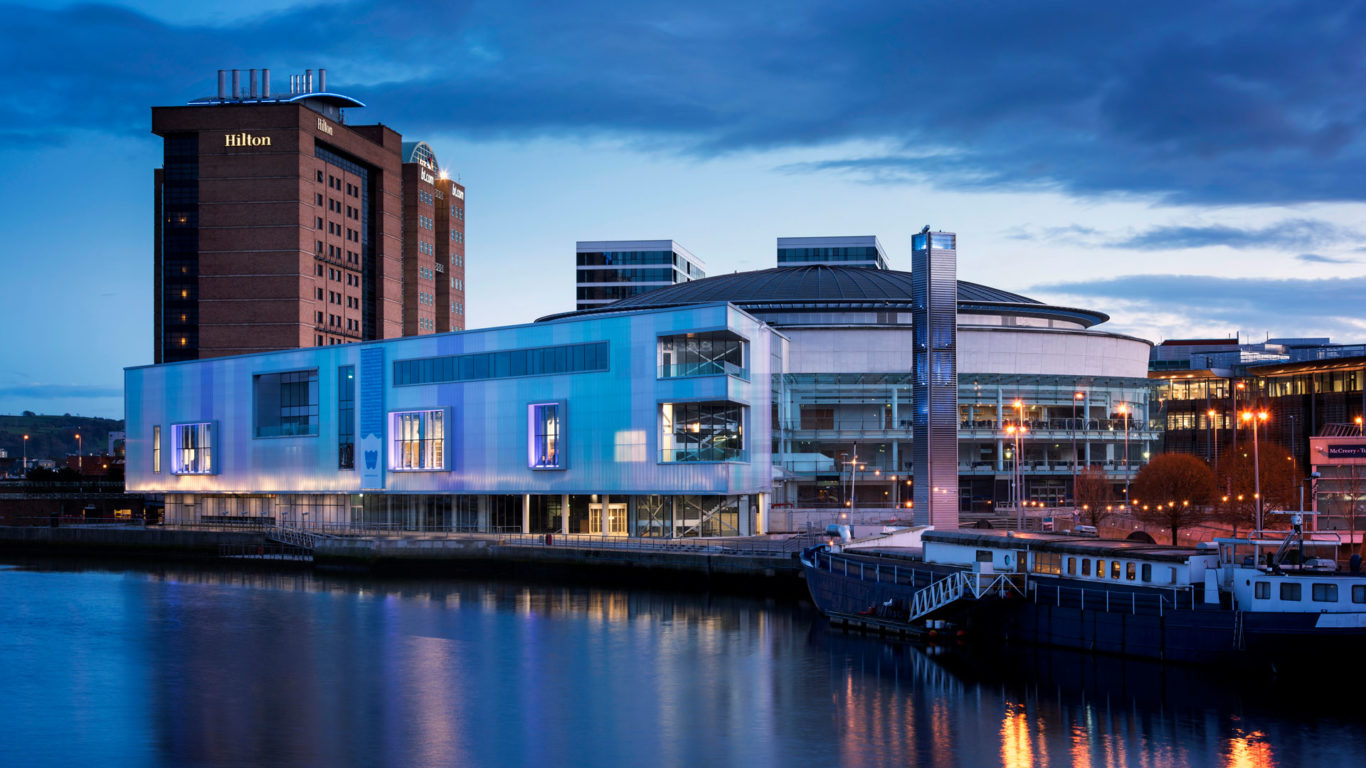
Belfast has played host to the inaugural Summit of the Cities, a landmark event that brought together civic leaders, urban planners, and policy experts from all 12 cities on the island of Ireland to confront the shared challenges of housing, transport, and urban regeneration. The summit, held on Tuesday at the Waterfront Hall, represents the most significant gathering of all-island civic leadership in recent memory, and its choice of Belfast as host city carries a symbolism that was not lost on participants — a city that has itself undergone one of the most dramatic urban transformations in Europe over the past three decades.
Background
The concept of an all-island summit of city leaders has been discussed in policy circles for several years, driven by the recognition that the urban challenges facing Belfast, Dublin, Cork, Galway, Derry, Limerick, Waterford, Kilkenny, Sligo, Drogheda, Dundalk, and Athlone are, in many respects, more similar to one another than they are to the challenges facing rural areas in either jurisdiction. Housing affordability, public transport connectivity, city centre regeneration, and the management of rapid population growth are issues that transcend the political border, and the case for a structured forum in which city leaders can share experience and coordinate responses has grown steadily stronger.
The summit was convened by a joint organising committee comprising Belfast City Council, Dublin City Council, and the all-island think tank the Institute for International and European Affairs. It received financial support from the Shared Island Fund, the Irish government's €1 billion initiative to promote all-island cooperation, and from the UK's Levelling Up fund, which has allocated significant resources to Belfast's regeneration in recent years. The choice of the Waterfront Hall — itself a symbol of Belfast's post-conflict renaissance, built on the banks of the Lagan in the 1990s — as the venue was deliberate.
Belfast's own urban transformation provides a compelling backdrop for the summit's discussions. The city that was, in the 1970s and 1980s, synonymous with conflict and economic decline has reinvented itself as a destination for tourism, technology investment, and creative industries. The Titanic Quarter, the Cathedral Quarter, and the ongoing regeneration of the north and west of the city have demonstrated what is possible when sustained investment and political will are combined. But the city also faces acute challenges: a housing crisis that mirrors the Republic's in its severity, a public transport network that lags behind comparable European cities, and persistent pockets of deprivation in communities that have not shared equally in the prosperity of the peace dividend.
Key Developments
The summit's keynote address was delivered by former New York City mayor Bill de Blasio, whose tenure in New York was defined by ambitious — if contested — attempts to address housing affordability and inequality in one of the world's most expensive cities. De Blasio drew parallels between the challenges facing Irish cities and those he encountered in New York, arguing that the fundamental problem is not a lack of resources but a lack of political will to make the difficult decisions required to build at scale and to challenge the vested interests that benefit from housing scarcity.
The summit's working sessions focused on four key themes: housing delivery and affordability, public transport and active travel, city centre regeneration and the post-pandemic recovery of urban economies, and the governance structures needed to enable effective all-island urban cooperation. Participants from each of the 12 cities presented case studies of initiatives that have worked in their own contexts, with a particular focus on transferable lessons.
Belfast City Council leader Councillor Ryan Murphy described the summit as "a historic moment for all-island civic cooperation" and called for it to become an annual event. Dublin Lord Mayor Caroline Conroy echoed this sentiment, arguing that the cities of Ireland have more to gain from cooperation than from competition.
Why It Matters
The Summit of the Cities matters because it represents a new model of all-island engagement — one that operates at the civic rather than the governmental level, and that focuses on practical problem-solving rather than constitutional questions. In a political environment where the constitutional future of Northern Ireland remains deeply contested, the ability of city leaders to cooperate on shared practical challenges without triggering the political sensitivities that attend formal North-South governmental engagement is genuinely valuable. The summit also reflects a growing recognition that the island's cities are its economic engines, and that their ability to function effectively — to house their workers, move their people, and attract investment — is a matter of national importance in both jurisdictions. Belfast's unemployment rate of 1.7% and Dublin's continued status as one of Europe's fastest-growing tech hubs are both products of urban dynamism that requires sustained investment and smart governance to maintain.
Local Impact
For Belfast specifically, hosting the summit has provided a welcome boost to the city's profile at a moment when it has been overshadowed by negative headlines relating to the anti-immigration riots and the Donaldson conviction. The Waterfront Hall and the surrounding Laganside area were showcased to delegates from across the island, many of whom were visiting Belfast for the first time. The city's hospitality sector — hotels, restaurants, and cultural venues in the Cathedral Quarter and along the Lagan — benefited from the influx of delegates. Belfast City Council has indicated that it will use the summit's outputs to inform its forthcoming City Centre Regeneration Strategy, which is due to be published for public consultation in the autumn.
What's Next
The summit concluded with a commitment to establish a permanent Secretariat of the Cities, to be jointly hosted by Belfast City Council and Dublin City Council, which will coordinate follow-up work on the four key themes identified during the event. A second summit is planned for Cork in 2027. The Shared Island Fund has indicated that it will consider applications for funding from city-level cross-border cooperation projects that emerge from the summit's working groups. A formal report on the summit's findings and recommendations is expected to be published by the end of July.