Northern Ireland's Consultants and Specialist Doctors Walk Out Together for First Time in Historic 24-Hour Strike
Consultants and specialist doctors across Northern Ireland began a historic joint 24-hour strike at 7:00 AM on Wednesday, 25 June 2026 — the first time the two groups have taken industrial action simultaneously — leaving thousands of patients facing cancelled appointments and elective procedures across all five health trusts, in a dispute that lays bare the deepening crisis at the heart of the Stormont budget impasse.
Background
Northern Ireland's health service has been in a state of managed crisis for the better part of a decade. Waiting lists that were already among the longest in the United Kingdom before the pandemic have ballooned to extraordinary lengths in the years since, with more than 400,000 people on waiting lists for first outpatient appointments as of early 2026. The causes are multiple and well-documented: chronic underfunding, workforce shortages, an ageing population, and a political system that has repeatedly failed to agree the budgets necessary to address structural problems.
The British Medical Association (BMA) in Northern Ireland has been warning for years that consultant pay has fallen dramatically in real terms relative to colleagues in England, Scotland, and Wales. The organisation calculates that consultants in Northern Ireland have experienced an effective pay cut of around 35% over the past 18 years when inflation is taken into account. This erosion has made it increasingly difficult to recruit and retain senior medical staff, with many choosing to work in other parts of the UK or in the Republic of Ireland, where pay and conditions are more competitive.
Specialist doctors — a category that includes staff grade and associate specialist doctors — have faced similar pressures, and the decision by both groups to strike together represents a significant escalation in the dispute. Previous industrial action by consultants alone had limited impact; a joint walkout affects a far broader range of services and sends a much stronger signal to the Stormont Executive.
Key Developments
The strike, which began at 7:00 AM on 25 June and was due to conclude at the same time on 26 June, has resulted in the cancellation of thousands of routine outpatient appointments, elective surgical procedures, and diagnostic tests across the Belfast, South Eastern, Southern, Western, and Northern health trusts. Emergency and urgent care services have been maintained at what the BMA described as Christmas Day levels — sufficient to handle acute presentations but significantly reduced from normal capacity.
Health Minister Mike Nesbitt, of the Ulster Unionist Party, expressed his disappointment at the action while acknowledging the legitimacy of the doctors' grievances. While I am fully committed to implementing the 3.5% pay recommendation of the independent pay review body, I just do not have an agreed budget to allow me to do so at this stage, he said. The minister's statement was notable for its candour — an implicit acknowledgement that the political failure to agree a Stormont budget is directly causing harm to patients and staff.
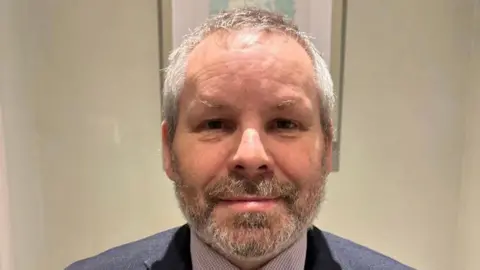
Dr David Farren, chair of the BMA's Northern Ireland consultants committee, was unequivocal about the state of the health service. The health service is on its knees, he said. Pay is part of that but it's also about the wider pressures, the lack of investment and the failure to reform services. The BMA has described the strike as a last resort after years of failed negotiations.
Why It Matters
This strike is qualitatively different from previous industrial action in Northern Ireland's health service. The joint nature of the walkout — bringing together consultants and specialist doctors for the first time — signals a level of collective frustration that goes beyond a straightforward pay dispute. It reflects a profession that feels it has exhausted every other avenue and is now willing to accept the reputational and personal cost of withdrawing labour.
The political dimension is equally significant. Unlike strikes in England, where the dispute is primarily between the BMA and the UK government, the Northern Ireland situation is complicated by the devolved budget process. The Stormont Executive has not agreed a budget for the current financial year, leaving departments operating on a form of financial autopilot that prevents ministers from making new spending commitments. This is not a new problem — Northern Ireland has operated without a properly agreed budget for much of the past decade — but its consequences are now being felt in the most direct possible way.
For context, the Republic of Ireland has invested significantly in consultant pay and recruitment in recent years, with the HSE offering packages that are substantially more attractive than those available in Northern Ireland. The result is a steady flow of experienced medical professionals southward across the border — a brain drain that is difficult to reverse once established.
Local Impact
Across Belfast, patients attending the Royal Victoria Hospital, Belfast City Hospital, and the Mater Hospital have been contacted to reschedule appointments. The South Eastern Trust, covering areas including Newtownards, Bangor, and Downpatrick, has similarly cancelled a significant volume of outpatient clinics. In the Western Trust, serving Derry/Londonderry, Omagh, and Enniskillen, the impact has been felt particularly acutely given the trust's already stretched capacity.
For patients who have already waited months or years for appointments, the cancellations represent a deeply distressing setback. Cancer screening appointments, cardiology reviews, and orthopaedic assessments are among the categories most affected. The BMA has acknowledged the impact on patients but argued that the long-term damage of failing to address pay and conditions will be far greater than the short-term disruption of a single day's strike.
What's Next
The BMA has indicated it will review the outcome of the 24-hour strike before deciding on further action. If the Stormont Executive fails to agree a budget that allows the Health Minister to implement the 3.5% pay recommendation, further and potentially longer strikes are likely. The Executive is expected to return to budget discussions in early July, with the BMA watching closely. The Department of Health has said it will work to reschedule cancelled appointments as quickly as possible, though given existing waiting list pressures, this may take several weeks.