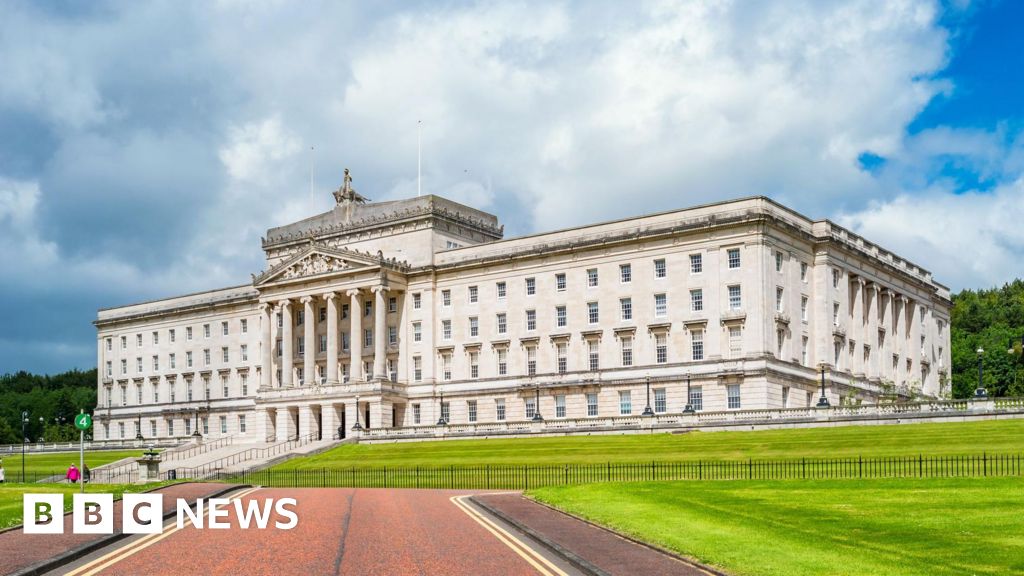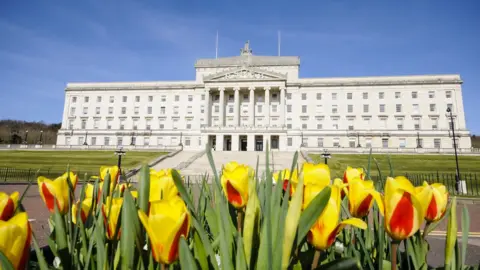
Belfast Fleadh Accommodation Prices Spark 'Price-Gouging' Fury as Festival Approaches
Significant concerns have been raised about "price-gouging" by accommodation providers in Belfast ahead of the city's hosting of the Fleadh Cheoil na hÉireann from 2–9 August 2026, with some properties listed at as much as £6,000 for the festival week — double their normal rates — prompting warnings that visitors, performers, and families risk being priced out of one of the most important events in the traditional Irish music calendar.
The soaring prices have drawn sharp criticism from local politicians and festival organisers, who warn that the practice sends the wrong message to visitors and risks damaging Belfast's reputation as a welcoming host city. The festival is expected to attract over 700,000 visitors and generate an estimated £60 million for the local economy — but only if the city can demonstrate it is open for business at fair prices.
Background
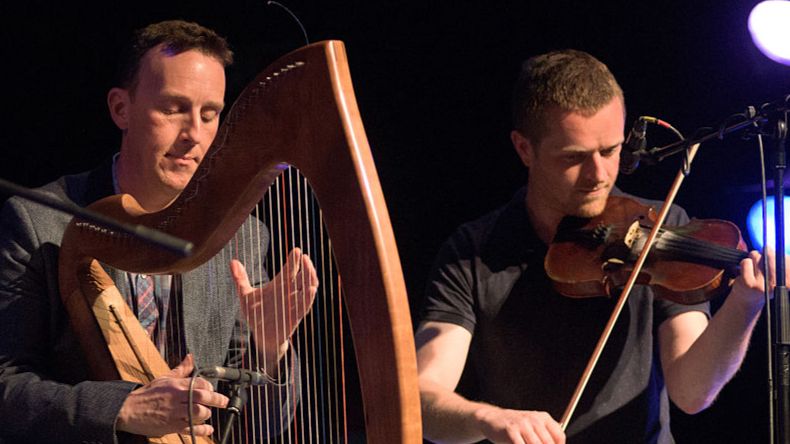
Fleadh Cheoil na hÉireann — translating as "music festival of Ireland" — is the world's largest annual celebration of traditional Irish music, song, dance, and language. Founded in 1951 by Comhaltas Ceoltóirí Éireann, it has grown into a global cultural phenomenon, attracting hundreds of thousands of visitors each year to whichever town or city has the honour of hosting it. Belfast's selection as host city for 2026 and 2027 — the first time a location in Northern Ireland will host the event for two consecutive years — was seen as a significant cultural milestone for the city, a UNESCO City of Music.
The economic projections are substantial. Over 700,000 visitors are anticipated over the eight-day festival, with some estimates reaching 800,000. The direct economic benefit for Belfast is conservatively estimated at £60 million, flowing through the hospitality, retail, transport, and tourism sectors. Organisers aim to leverage the Fleadh to create a lasting tourism legacy, boosting cross-border travel from the Republic of Ireland and attracting international visitors from the United States and Canada — replicating the long-term tourism benefits seen after Northern Ireland hosted golf's Open Championship in 2019.
Key Developments
Investigations have revealed that many short-term rental properties and some hotels have inflated their prices dramatically for the festival week. A two-bedroom property in Castlereagh was listed for £4,015 for the Fleadh week — a 134 per cent increase from its rate for the same period in July. A property near the Ormeau Road saw its price rise by nearly 90 per cent to £5,382 for the week. Some apartments in the Titanic Quarter were listed for nearly £6,000, double their normal rates. Hotel chains have also increased prices, with some Premier Inn locations showing rate increases of between 91 and 104 per cent for the Fleadh weekend compared to the previous weekend.
South Belfast SDLP councillor Gary McKeown warned that such practices send a signal that visitors are being seen as an opportunity to "make a quick buck." Former Lord Mayor Micky Murray called the hikes "incredibly disappointing," fearing they would deter tourists. Politicians have pointed to the lack of regulation for short-term rental markets as a core part of the problem. Belfast City Council and Tourism Northern Ireland are actively promoting a "fair pricing message" to providers, arguing that fair prices encourage longer stays and repeat visits — but they acknowledge that current legislation gives them no power to cap or regulate accommodation prices. Janice Gault, chief executive of the NI Hotels Federation, denied claims of price-gouging, attributing rate increases to exceptionally high demand far outstripping supply, coupled with rising operational costs.
Why It Matters
The Fleadh is not merely a tourist event — it is a celebration of Irish cultural heritage that is deeply meaningful to participants and communities across the island of Ireland and the wider Irish diaspora. If accommodation costs make attendance prohibitive for ordinary families and musicians, it risks transforming the festival from a community gathering into an exclusive event accessible only to the wealthy. The controversy also reflects a broader tension in Belfast's tourism economy: the city has worked hard to position itself as a major cultural destination, but that ambition is undermined when the market response to success is to extract maximum short-term profit rather than build long-term reputation and loyalty.
Local Impact
For Belfast, the Fleadh represents a once-in-a-generation opportunity to showcase the city's traditional music scene, its hospitality, and its cultural confidence to a global audience. The festival will bring musicians, dancers, and music lovers from across Ireland, Britain, and the Irish diaspora worldwide. The price-gouging controversy threatens to overshadow that opportunity and leave a lasting negative impression. To provide affordable alternatives, an official campsite with a dedicated bus link to the city centre will be available for visitors with caravans and tents. Local community groups and musicians have called for a return to the inclusive, community-centred spirit that has always defined the Fleadh — and for Belfast to prove it can be a host city that welcomes everyone, not just those who can afford £6,000 a week.
What's Next
Festival organisers and local authorities are being urged to work together to address the accommodation issue before the event takes place in August. Some politicians have called for greater regulation of short-term rental pricing during major events, while others are exploring alternative accommodation options including community hosting schemes. The Fleadh itself promises to be a spectacular celebration of Irish culture — the question is whether Belfast's accommodation market will allow everyone to share in it. For full coverage, see BBC News and The Irish News.