Belfast Airport Travellers Forced to Walk as Fuel Protest Convoys Gridlock City Roads
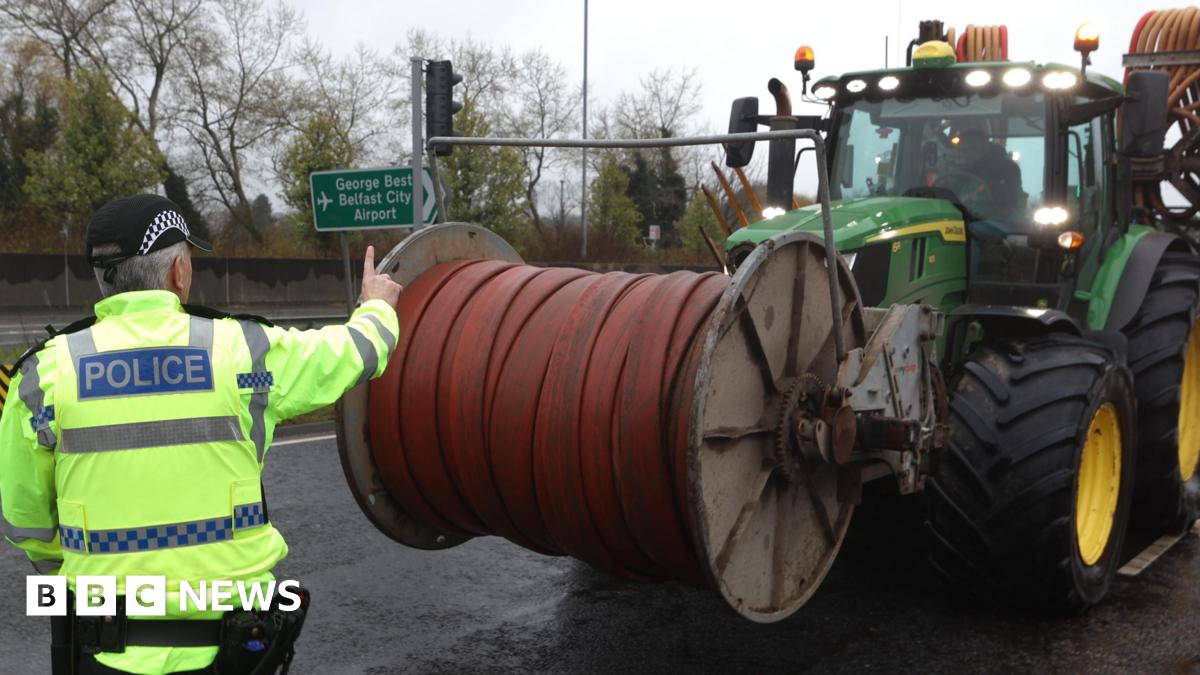
Travellers heading to Belfast City Airport were forced to abandon their vehicles and walk to catch their flights as slow-moving convoys of tractors and trucks, protesting against soaring fuel prices, caused major traffic gridlock on key arterial routes including the Sydenham bypass, with the PSNI issuing fines for public order offences and Health Minister Mike Nesbitt warning that road blockades were threatening lives by preventing healthcare workers from reaching patients.
Background
The fuel protests that swept across Northern Ireland in April 2026 were a direct response to the dramatic rise in fuel and energy costs triggered by the conflict in the Middle East and the effective closure of the Strait of Hormuz, which has halted an estimated 20% of the world's oil trade. The price of diesel and petrol rose sharply in the weeks following the outbreak of the conflict, placing enormous pressure on households, businesses, hauliers, farmers, and fishers who depend on affordable fuel to operate.
The protests, which involved slow-moving convoys of tractors and trucks blocking major roads across Northern Ireland, were part of a broader wave of fuel-related demonstrations that also affected the Republic of Ireland. The movement drew comparisons with similar protests seen in France and other European countries in previous years, reflecting a widespread public frustration with the pace and scale of government action in response to the cost-of-living crisis driven by the energy price surge.
On 14 April 2026, convoys created significant disruption across Northern Ireland, with protests on the Westlink, M2, A1, and other major roads. The most severe impact on travel was felt by those trying to reach Belfast City Airport, where the Sydenham bypass — a key access route to the terminal — was effectively gridlocked by the protest convoys, leaving passengers with no option but to abandon their vehicles and walk to the airport to catch their flights.
Key Developments
The scenes at Belfast City Airport were among the most dramatic of the protest period, with passengers dragging luggage along roads normally reserved for vehicles in a desperate attempt to make their flights. The PSNI responded by issuing a number of fines and cautions for public order offences, with Chief Superintendent Norman Haslett confirming that police would review footage to consider further prosecutions. He stated: "The right to freedom of speech and assembly are fundamental human rights. These rights must be balanced by the need to protect public health and safety, minimise disruption to normal life."
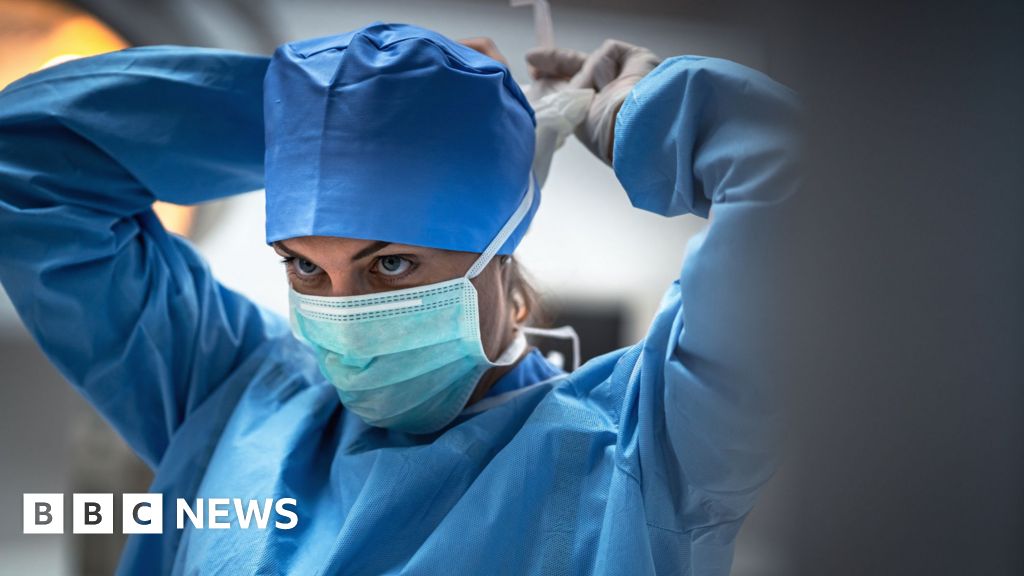
Health Minister Mike Nesbitt's warning that the road blockades were threatening lives by preventing essential healthcare workers from reaching patients added a particularly serious dimension to the protests. The minister's intervention highlighted the real-world consequences of sustained road disruption in a region where the health service is already under significant pressure. Infrastructure Minister Liz Kimmins acknowledged the public's frustration, stating: "People feel like they're pinned to their collars here with the rising fuel prices. It's having an impact on their ability to do their jobs, to put food on their tables."
Why It Matters
The fuel protests in Belfast and across Northern Ireland represent a significant moment of public anger at the economic consequences of the Middle East conflict. For a region that has worked hard to build stability and normalcy, the sight of gridlocked roads, stranded travellers, and warnings about threats to healthcare access is deeply troubling. The protests reflect genuine hardship — the cost of fuel has risen dramatically, and for many households and businesses, the increase is simply unaffordable. At the same time, the disruption caused by the convoys has imposed real costs on other members of the public, including those trying to travel for work, medical appointments, or family emergencies. The challenge for the authorities is to balance the right to protest with the need to protect public safety and maintain essential services.
Local Impact
For Belfast and Northern Ireland, the fuel protests have been a defining moment in the public response to the cost-of-living crisis. The disruption to Belfast City Airport — one of the region's most important transport hubs — sent a powerful message about the depth of public frustration, but also raised serious questions about the proportionality of protest tactics that prevent ordinary people from going about their daily lives. The PSNI's measured but firm response — issuing fines while acknowledging the legitimacy of peaceful protest — reflects the difficult balance that law enforcement must strike in such situations. For the Northern Ireland Executive, the protests have underlined the urgency of finding meaningful solutions to the fuel cost crisis that go beyond short-term excise cuts.
What's Next
The intensity of the protests has eased following the announcement of government support measures, but the underlying cost pressures remain. The PSNI has indicated that it will continue to review footage from the protest period and may bring further prosecutions. The Northern Ireland Executive will be under continued pressure to demonstrate that it is doing everything within its power to support households and businesses affected by the fuel price crisis. For more, see BBC News and Belfast Live.