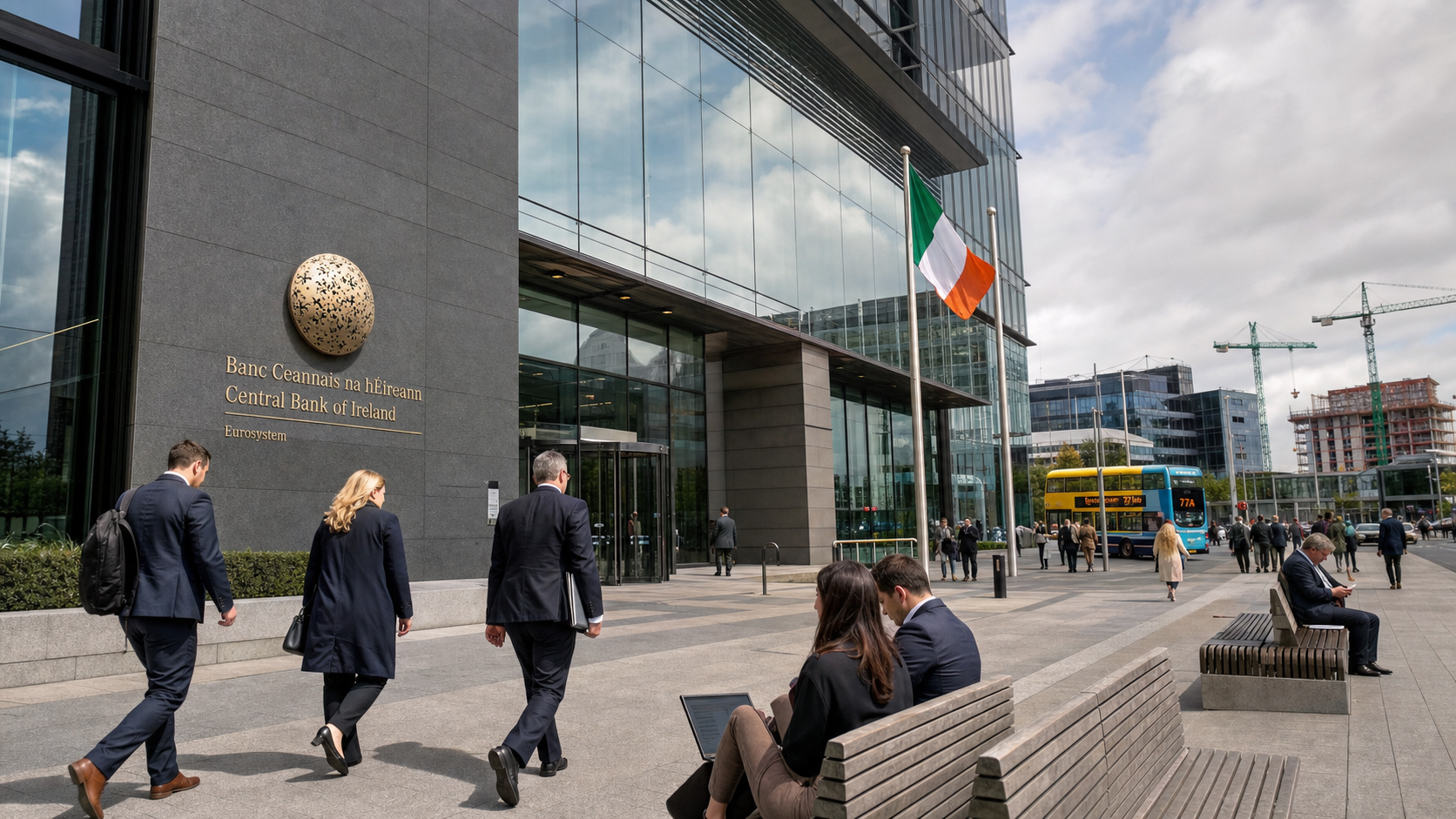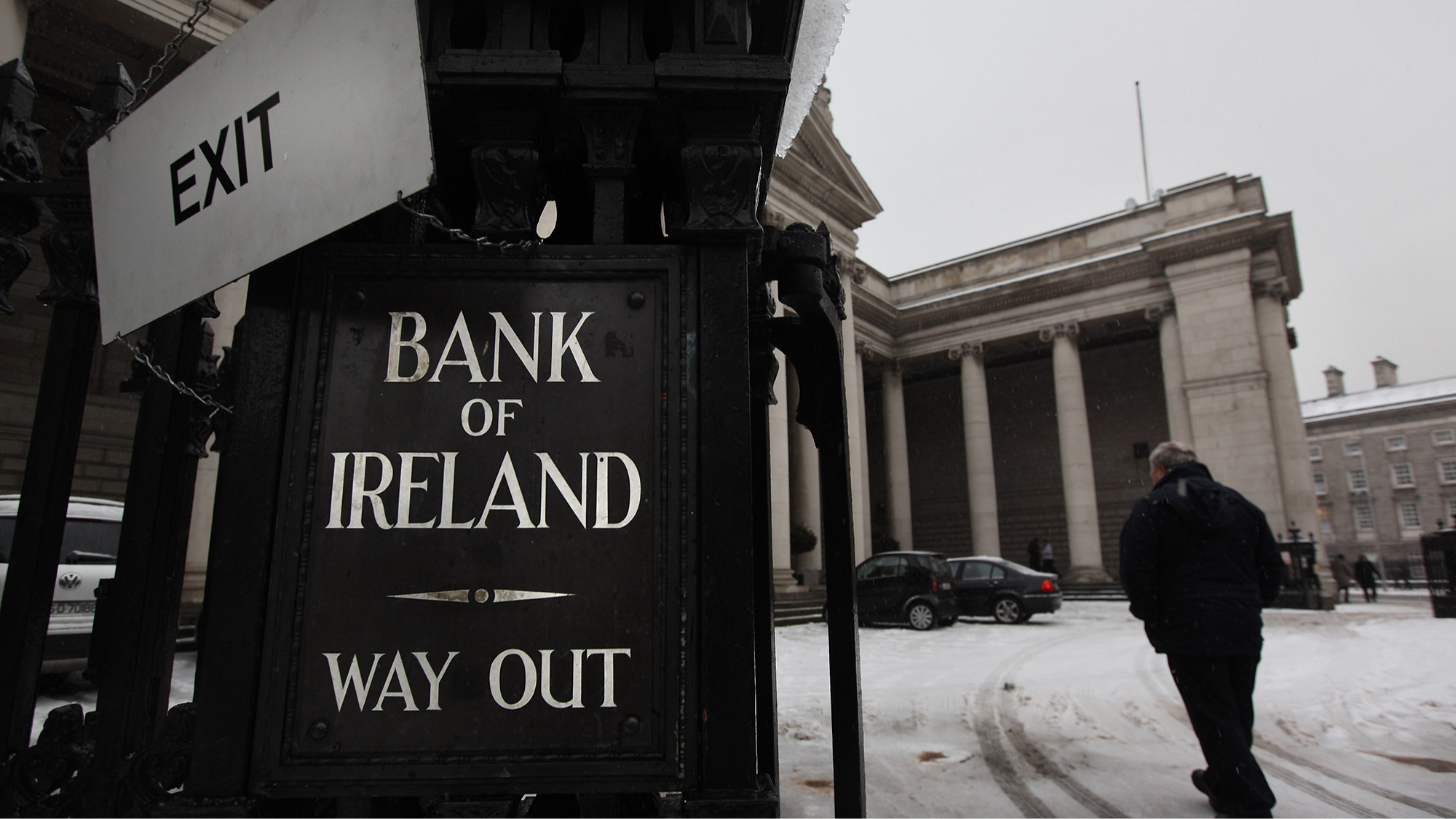
Bank of Ireland Plans to Delist from London Stock Exchange to Cut Costs
Bank of Ireland has announced plans to delist its shares from the London Stock Exchange, citing negligible trading volumes and disproportionate costs, in a move that will be put to shareholders at the bank's Annual General Meeting on 21 May 2026.
The Irish lender, which maintains its primary listing on Euronext Dublin, said the cost of maintaining the LSE listing was no longer in the best interests of the company and its shareholders. The bank also announced plans to offer to buy out thousands of small legacy shareholders whose stakes were significantly diluted during crisis-era bailouts — a move that will draw a line under one of the most painful chapters in Irish banking history.
Background
Bank of Ireland, established by Royal Charter in 1783, is Ireland's oldest continuously operating bank and one of the pillars of the Irish financial system. Its history is inseparable from the history of Ireland itself — from its role in financing the Irish economy through the 19th and 20th centuries to its near-collapse during the 2008 financial crisis, when it received a €7 billion state rescue package that left the Irish government as a major shareholder and subjected the bank to a European Commission mandate to dispose of several assets, including its asset management and assurance divisions.
The Irish government only completed the sale of its final shareholding in September 2022, returning the bank to fully private ownership after more than a decade of state involvement. The delisting from the London Stock Exchange is, in many ways, the final act of that post-crisis restructuring — a consolidation of the bank's trading on its primary market in Dublin, reflecting both the recovery of the Irish economy and the declining importance of London as a listing venue for Irish companies.
The move follows similar actions taken by other Irish banks, including AIB and PTSB, which have also delisted from the London market in recent years. The decision reflects a broader trend of Irish companies reducing their London listings as the relative importance of the LSE has diminished — a trend accelerated by Brexit and the growing confidence of the Euronext Dublin market as a credible alternative.
Key Developments
Bank of Ireland intends to extend an "odd-lot offer" to holders of 30 or fewer shares, who collectively represent 35% of all shareholders but only 0.03% of the issued share capital. The offer will be priced at a 5% premium to the stock's average price for five days before its launch, with participating shareholders incurring no transaction costs. The ability of small shareholders to deal their shares and cash dividend cheques has been constrained by disproportionate dealing costs and banking charges — a practical injustice that the odd-lot offer is designed to address.
The delisting is the latest sign of the declining importance of the London Stock Exchange as a listing venue for Irish companies. The LSE has been struggling to attract new listings more broadly, with some companies postponing their IPOs due to market volatility linked to the Iran conflict and the broader uncertainty in global financial markets.
Why It Matters
The delisting is more than a technical corporate finance decision — it is a statement about where Ireland's financial centre of gravity now lies. The consolidation of Bank of Ireland's trading on Euronext Dublin reflects the maturity and confidence of the Irish capital markets, and the bank's ability to attract sufficient liquidity and investor interest without the need for a London listing. It also reflects the post-Brexit reality: for Irish companies, the case for maintaining a London listing has weakened significantly as the UK has moved outside the EU's regulatory and trading framework.
For the thousands of small shareholders who received Bank of Ireland shares during the crisis era — often as part of government schemes designed to encourage public participation in the bank's recovery — the odd-lot offer provides a practical and fair exit route. Many of these shareholders have been unable to sell their tiny stakes economically, and the 5% premium offer represents a genuine benefit.
Local Impact
Bank of Ireland has a significant presence across Northern Ireland, where it operates as one of the major retail banks serving both personal and business customers. The delisting from the LSE will have no direct impact on the bank's operations or services in Northern Ireland, but it does reflect the broader reorientation of Irish banking away from London and towards Dublin and the European financial system. For Northern Ireland businesses that bank with Bank of Ireland, the key metrics — lending rates, service quality, and financial stability — remain unchanged.
What's Next
Shareholders will vote on the delisting proposal at the AGM on 21 May 2026. If approved, the bank will proceed with the LSE delisting while maintaining its primary Dublin listing. The odd-lot offer for small shareholders is expected to launch shortly after shareholder approval. The bank's management will be hoping for a smooth and uncontroversial process — a fitting conclusion to a decade of post-crisis restructuring that has seen Bank of Ireland return to health and full private ownership.
Sources: Reuters | The Irish Times