Naomi Long Calls on Stormont Speaker Poots to Step Aside Over Donaldson Fallout
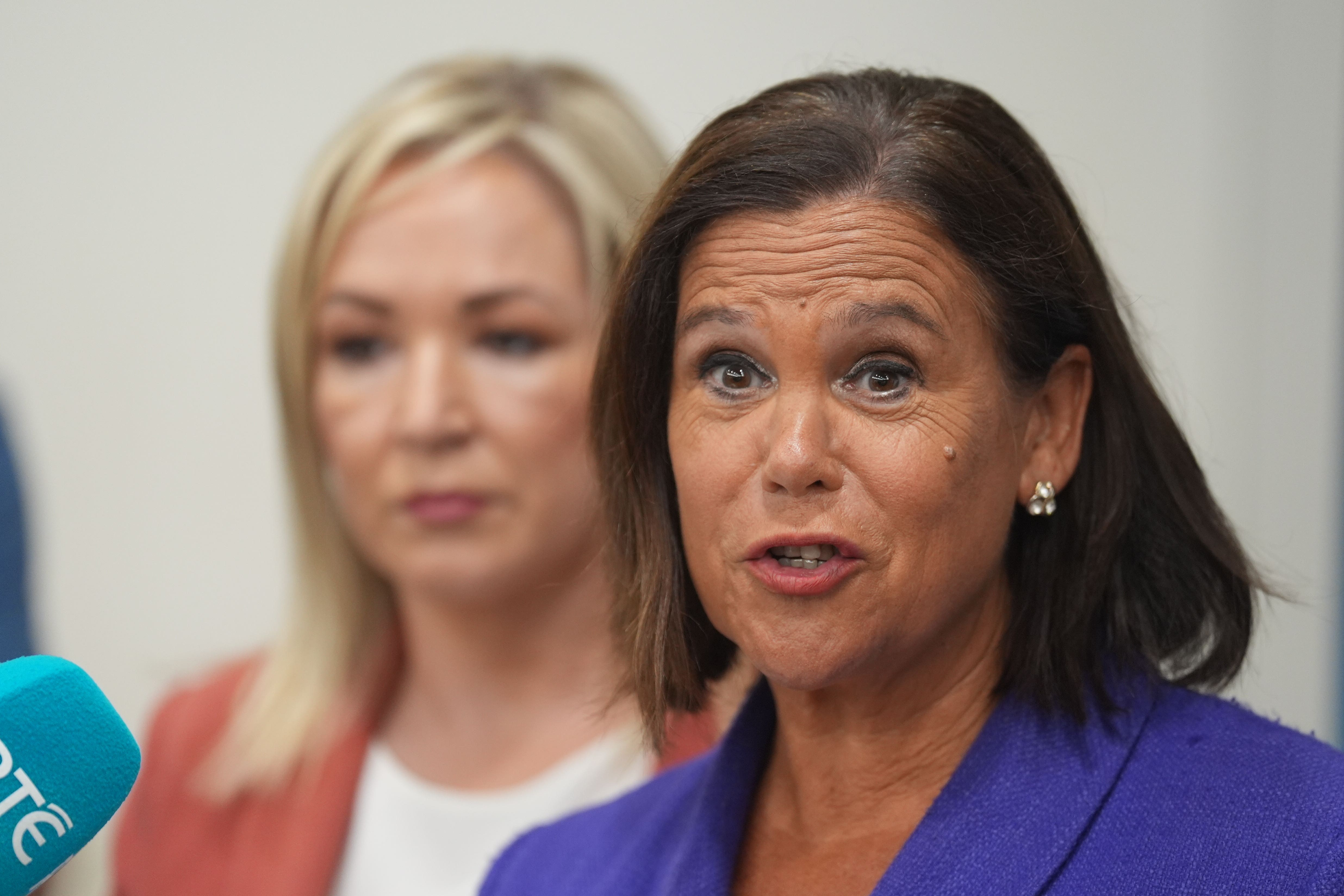
Alliance Party leader Naomi Long has called on Edwin Poots, the DUP Speaker of the Northern Ireland Assembly, to step aside from his role pending the outcome of an investigation into how the Democratic Unionist Party handled historical concerns raised about the conduct of its former leader Jeffrey Donaldson — a demand that has added a new and potentially destabilising dimension to the ongoing fallout from the Donaldson conviction.
Background
The conviction of Jeffrey Donaldson on multiple charges of rape and other serious sexual offences sent shockwaves through Northern Ireland's political establishment when it was confirmed earlier in 2026. Donaldson, who had led the DUP from 2021 until his arrest in March 2024, was one of the most prominent figures in unionist politics, having served as a Westminster MP for Lagan Valley and as a key negotiator in the talks that led to the Windsor Framework. His conviction represented not merely a personal catastrophe but a profound institutional crisis for the party he had led.
The immediate questions that arose from the conviction concerned what senior DUP figures knew about concerns regarding Donaldson's conduct, and when they knew it. Donaldson's wife, Eleanor, who was also convicted of offences, had been a significant figure in DUP circles, and the couple's social and professional networks within the party were extensive. The question of whether any concerns had been raised internally and, if so, how they had been handled, became the central focus of political and media scrutiny in the weeks following the conviction.
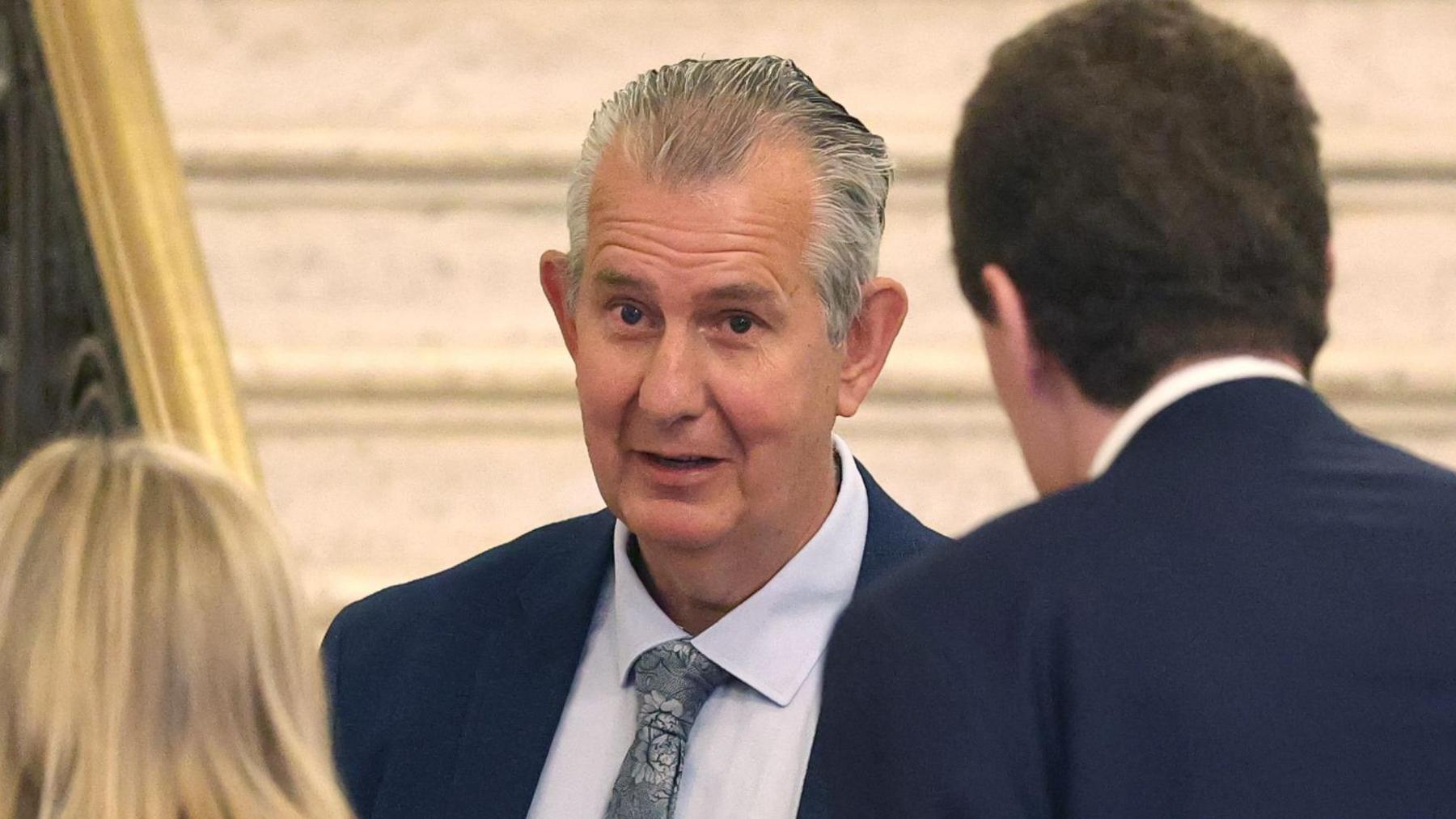
Edwin Poots, who served as DUP leader briefly in 2021 before being replaced by Donaldson, was elected as Speaker of the Northern Ireland Assembly in February 2024 as part of the power-sharing arrangements that restored devolution. The Speaker's role is constitutionally significant — the Speaker presides over Assembly debates, rules on points of order, and is expected to be a neutral figure above party politics. The question of whether Poots can fulfil that role while the DUP is under investigation for its handling of the Donaldson concerns is at the heart of Long's demand.
Key Developments
Naomi Long's call for Poots to step aside was made on 29 June, following the announcement that a formal investigation into the DUP's handling of the Donaldson concerns would be conducted. Long argued that the integrity of the Speaker's office requires that its occupant be free from any association with matters under active investigation, and that Poots's continued presence in the role creates an appearance of conflict of interest that undermines public confidence in the Assembly's impartiality.
The DUP has rejected the call, with party sources arguing that Poots has no personal involvement in the matters under investigation and that his position as Speaker is entirely separate from his former role as a party leader. The party has also pointed out that the investigation is into institutional processes rather than individual conduct, and that it would be inappropriate to prejudge its outcome by requiring the Speaker to stand aside before any findings have been made.
The SDLP and Sinn Féin have both indicated sympathy with Long's position, though neither has yet made a formal demand for Poots to step aside. The UUP has been more cautious, noting that the investigation should be allowed to proceed before any conclusions are drawn about its implications for the Speaker's position.
Why It Matters
The Donaldson conviction has created a crisis of confidence in the DUP that goes beyond the personal. The party that has been the dominant force in unionist politics for two decades is now facing questions about its internal culture, its governance processes, and its fitness to hold the positions of trust that it currently occupies in the Northern Ireland Executive and Assembly. These questions are not merely political — they go to the heart of how power is exercised and accountability maintained in a society that is still, in many respects, working through the legacy of a deeply troubled past.
The Speaker's role is particularly sensitive in this context. The Assembly's credibility as a democratic institution depends on the perception that its proceedings are conducted fairly and impartially. If the Speaker is seen as compromised by association with matters under investigation, that perception is damaged — regardless of whether any personal wrongdoing is established.
Local Impact
The political fallout from the Donaldson conviction is being felt across Northern Ireland, but particularly in the Lagan Valley constituency that Donaldson represented at Westminster and in the broader unionist community. For many unionists, the conviction of a man who was presented as a respectable and capable political leader has been deeply disorienting. The demand for Poots to step aside will be interpreted differently in different communities — as a legitimate accountability measure by those who believe the DUP's institutional culture requires scrutiny, and as a politically motivated attack by those who see it as an attempt to destabilise unionism at a vulnerable moment.
What's Next
The investigation into the DUP's handling of the Donaldson concerns is expected to take several months to complete. Edwin Poots has indicated he has no intention of stepping aside voluntarily, and the Assembly's procedures do not provide a straightforward mechanism for removing a Speaker who retains the confidence of his own party. The issue is likely to remain a source of political tension at Stormont throughout the summer, with the potential to complicate the already difficult budget negotiations and the broader functioning of the Executive.