90% of US Multinationals in Ireland to Maintain or Increase Headcount Despite Infrastructure Concerns
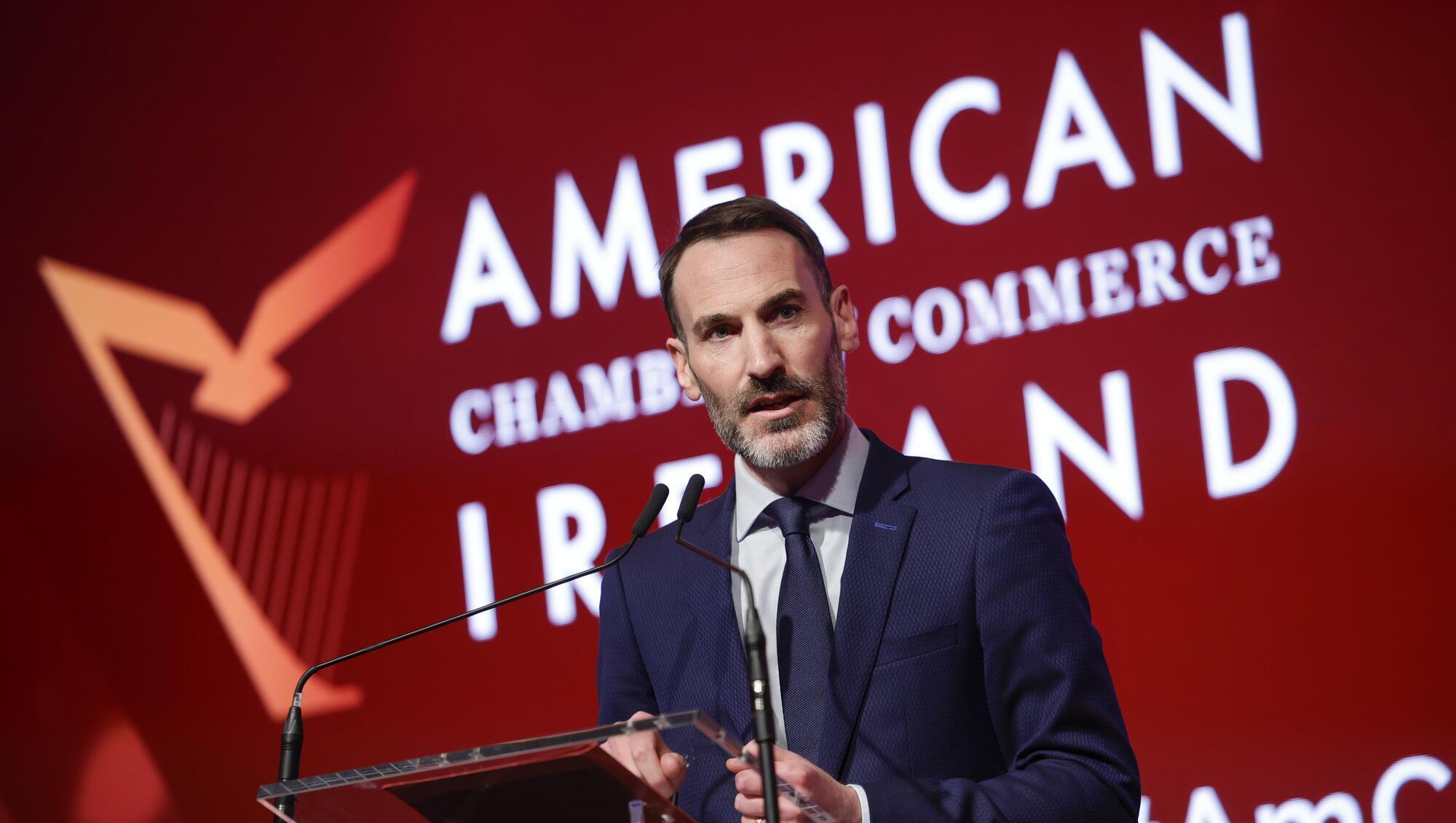
Nine in ten US multinational companies operating in Ireland plan to maintain or increase their Irish workforce in the coming year, with 70% committed to increasing their level of investment over the next five years — but a new survey by the American Chamber of Commerce Ireland reveals that housing shortages, rising costs, and energy infrastructure are emerging as serious threats to the country's long-term competitiveness as an investment destination.
Background
The relationship between Ireland and US multinational companies is one of the most important economic partnerships in Europe. Since the 1960s, when the Industrial Development Authority began its systematic campaign to attract American investment, US companies have been the engine of Ireland's economic transformation. Today, US multinationals employ over 300,000 people in Ireland, contribute a disproportionate share of the country's corporation tax revenue, and account for a significant proportion of Irish exports.
The American Chamber of Commerce Ireland, which represents the interests of US companies operating in the country, conducts an annual survey of its member companies to assess their investment intentions and identify the key factors influencing their decisions. The survey is closely watched by government, economic development agencies, and business commentators as a leading indicator of the health of the FDI sector.
The 2026 survey was conducted against a backdrop of significant uncertainty in the global economy. The US-EU trade relationship has been under strain, with tariff disputes and regulatory divergence creating challenges for companies operating across both markets. The global technology sector has been through a period of significant retrenchment, with major companies announcing large-scale redundancies. And Ireland's own competitive position has been under pressure, with rising costs, infrastructure deficits, and the global minimum tax reform all creating new challenges for the FDI model.
Key Developments
The American Chamber's 2026 survey, published on 5 July, reveals a picture of continued commitment to Ireland alongside growing concern about the country's competitive position. The headline finding — that 90% of member companies plan to maintain or increase their Irish workforce — is a strong vote of confidence in Ireland as an investment location. The 70% figure for planned investment increases over the next five years is equally encouraging, suggesting that US companies see Ireland as a long-term base rather than a short-term opportunity.
However, the survey also identifies a set of structural challenges that, if not addressed, could erode Ireland's competitive advantage. The housing shortage is identified as the most significant concern, with companies reporting difficulties in attracting and retaining talent because of the cost and availability of accommodation. Rising operational costs — including energy, commercial rents, and labour — are also cited as competitive disadvantages. Most strikingly, more than half of respondents view energy infrastructure as a competitive disadvantage, reflecting concerns about the reliability and cost of Ireland's electricity supply as the country transitions to renewable energy.
The American Chamber's report stated: 'While the commitment to Ireland remains strong, addressing systemic constraints in housing, energy, and overall cost competitiveness is crucial to safeguarding our long-term attractiveness as an investment location.'
Why It Matters
The American Chamber survey matters because it provides a direct window into the thinking of the companies that are most important to Ireland's economic model. The 90% figure for maintained or increased headcount is reassuring, but the concerns about housing, energy, and costs are a warning that should not be dismissed. Ireland's FDI model has been extraordinarily successful, but it is not invulnerable. The global minimum tax reform, which has reduced the advantage of Ireland's 12.5% corporation tax rate, means that the country must increasingly compete on factors other than tax — and those factors include the quality of infrastructure, the availability of housing, and the cost of doing business. For context, Ireland's electricity prices for industrial users are among the highest in the EU, a significant competitive disadvantage for energy-intensive industries. The government's renewable energy programme is expected to reduce costs in the long term, but the transition period is creating uncertainty for businesses planning major investments.
Local Impact
The impact of US multinational investment is felt across Ireland, but it is concentrated in a small number of locations. Dublin, Cork, Galway, Limerick, and Waterford are the primary beneficiaries of FDI, with the technology, pharmaceutical, and financial services sectors driving employment and economic activity in these cities. The housing concerns identified in the American Chamber survey are particularly acute in Dublin, where the cost of accommodation has made it increasingly difficult for companies to attract international talent. In Cork, where Apple, Amazon, and several major pharmaceutical companies have significant operations, similar pressures are evident. The energy infrastructure concerns are most relevant to the pharmaceutical and data centre sectors, which are major consumers of electricity and have been at the centre of debates about Ireland's energy capacity.
What's Next
IDA Ireland, the agency responsible for attracting and retaining foreign direct investment, will present the American Chamber survey findings to the Minister for Enterprise, Trade and Employment in the coming weeks. The minister is expected to use the survey as a basis for a renewed engagement with US companies on Ireland's competitive position. The government's National Development Plan review, expected in the autumn, will include a specific focus on the infrastructure investments needed to maintain Ireland's attractiveness as an FDI location. Enterprise Ireland and IDA Ireland will hold a joint conference on Ireland's competitiveness in September, at which the American Chamber survey findings will be a central topic.