Bunscoil Phobal Feirste Marks Extraordinary Year of Sporting Achievement at Balmoral Celebration
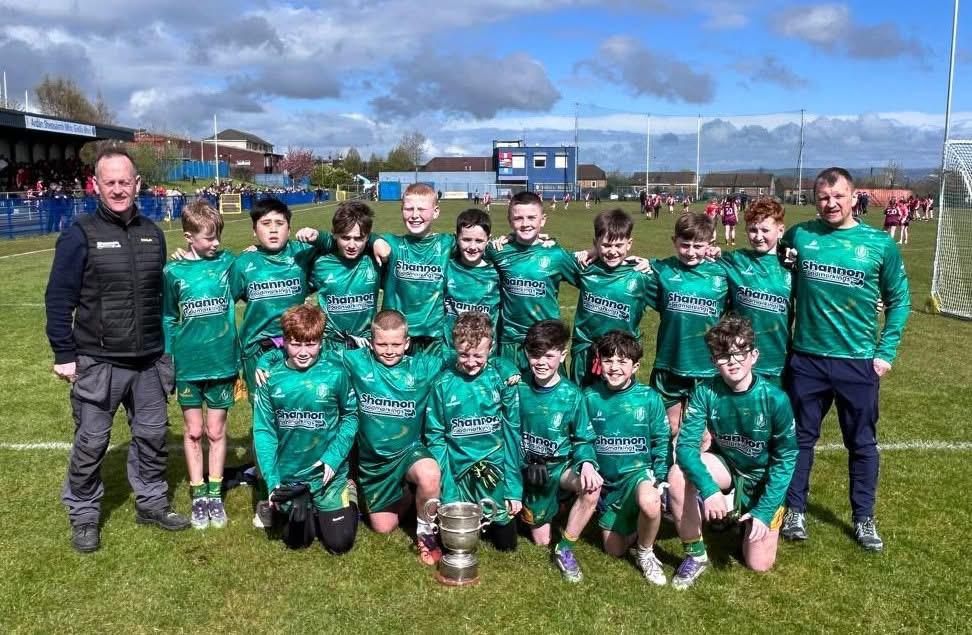
Bunscoil Phobal Feirste, the Irish-medium primary school in west Belfast, gathered pupils, parents, teachers, and community supporters at the Balmoral Hotel this week to mark what school leaders described as a "phenomenal" year of sporting success — a celebration that captured the deep community bonds at the heart of the Gaelscoil movement in the city.
Background
Bunscoil Phobal Feirste has been a cornerstone of the Irish-language community in west Belfast since its foundation in the 1980s, when a small group of parents made the radical decision to educate their children entirely through the medium of Irish in a city where the language had been systematically suppressed for generations. From those modest beginnings in a community hall in Andersonstown, the school has grown into one of the largest Irish-medium primary schools in Northern Ireland, with a roll of several hundred pupils and a reputation for academic and sporting excellence that extends well beyond the Falls Road.
Sport has always been central to the school's identity. The Gaelscoil movement and the GAA are deeply intertwined in west Belfast, and Bunscoil Phobal Feirste has produced generations of players who have gone on to represent Antrim, Down, and the wider Ulster province at underage and senior level. The school competes in Comórtas Peile na Gaelscoileanna, the all-island Irish-medium schools football competition, as well as in hurling, camogie, and athletics competitions organised through the Ulster Schools' Council.
The 2025-26 academic year, however, appears to have been exceptional even by the school's own high standards. Multiple trophies across different sporting codes were secured, with teams at various age groups performing at the highest level of inter-schools competition in Ulster and beyond.
Key Developments
The Balmoral Hotel ceremony brought together the full school community to formally recognise the achievements of the year. Trophies were presented to teams and individual pupils who had excelled in Gaelic football, hurling, camogie, and athletics. Teachers who had given up evenings and weekends to coach and manage teams were also honoured, as were the parents and volunteers whose logistical support made the competitions possible.
School principal Máire Uí Bhaoill praised the collective effort that underpinned the year's success, noting that sporting achievement at this level does not happen by accident. It requires sustained commitment from the entire school community — from the youngest pupils learning the basics of Gaelic games in the yard to the senior pupils competing in provincial finals.
The event also served as a moment of community affirmation at a time when west Belfast has faced considerable social pressures. The school's success provided a positive focal point for a community that has, in recent weeks, been navigating the aftermath of civil unrest in parts of the city.
Why It Matters
The success of Bunscoil Phobal Feirste is significant beyond the trophy cabinet. Irish-medium education in Northern Ireland has grown dramatically over the past three decades, with demand consistently outstripping supply. There are now more than 7,000 pupils enrolled in Irish-medium schools across the North, and the waiting lists for places at established schools like Bunscoil Phobal Feirste remain long. The school's sporting achievements serve as a powerful advertisement for the quality of education available through the medium of Irish and help to sustain the community enthusiasm that drives enrolment.
There is also a broader cultural dimension. Every trophy won by an Irish-medium school is a small act of cultural affirmation in a society where the Irish language has historically been contested. The Gaelscoil movement has been one of the most effective vehicles for language revival in the North, and the vitality of schools like Bunscoil Phobal Feirste is central to that project.
Local Impact
The celebration at the Balmoral Hotel drew families from across west Belfast, including from the Andersonstown, Turf Lodge, and Lenadoon areas that form the school's primary catchment. For many of the families present, the event was a reminder of what community institutions can achieve when they are properly supported and deeply rooted in their locality. The school's success has also generated interest from families in other parts of Belfast who are considering Irish-medium education for their children, with the school's admissions office reporting increased enquiries ahead of the next academic year.
What's Next
The school will begin preparations for the 2026-27 academic year in September, with coaching sessions for new and returning pupils scheduled to begin in the first week back. The school's GAA teams will enter the Ulster Schools' competitions in the autumn, with ambitions to build on this year's successes. The school is also exploring the possibility of expanding its after-school sports programme to include additional codes, following the success of the current offering.