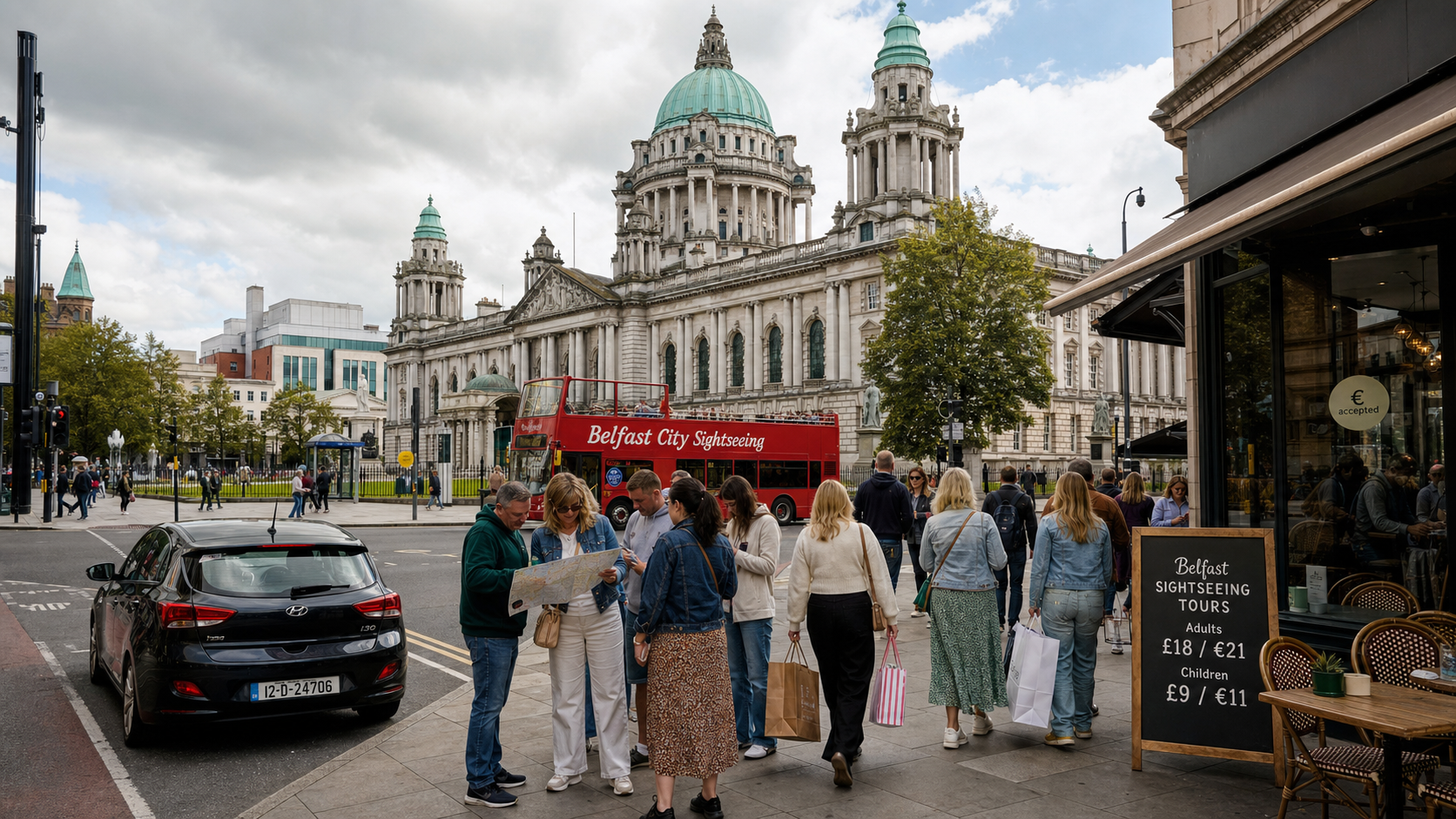
A Record-Breaking Year for Cross-Border Tourism
Visitors from the Republic of Ireland spent a record €370 million in Northern Ireland last year, according to new figures that reveal a 15 per cent jump in visitor numbers crossing the border. The data, which has been welcomed by tourism bodies and business groups on both sides of the border, underscores the growing economic and cultural ties between the two jurisdictions and points to a sustained recovery in the tourism sector following the disruptions of recent years.
The figures represent the highest level of cross-border tourism spending ever recorded, surpassing the previous record set in 2019. Tourism Northern Ireland, which compiled the data, described the results as "exceptional" and said they reflected both the appeal of Northern Ireland as a destination and the strength of the all-island tourism market.
What Is Driving the Surge?
A combination of factors has contributed to the record-breaking figures. The continued popularity of Belfast as a short-break destination, the draw of the Causeway Coastal Route, and the growing appeal of rural tourism experiences in counties Fermanagh, Tyrone, and Armagh have all played a role. The relative strength of the euro against sterling has also made Northern Ireland an attractive proposition for visitors from the Republic, offering good value for money across accommodation, dining, and leisure activities.
The 15 per cent increase in visitor numbers is particularly striking, suggesting that more people are choosing to make the journey north rather than simply spending more per visit. This points to a broadening of the tourism market, with new demographics and visitor profiles emerging alongside the traditional day-tripper and short-break segments.
Economic Impact Across Communities
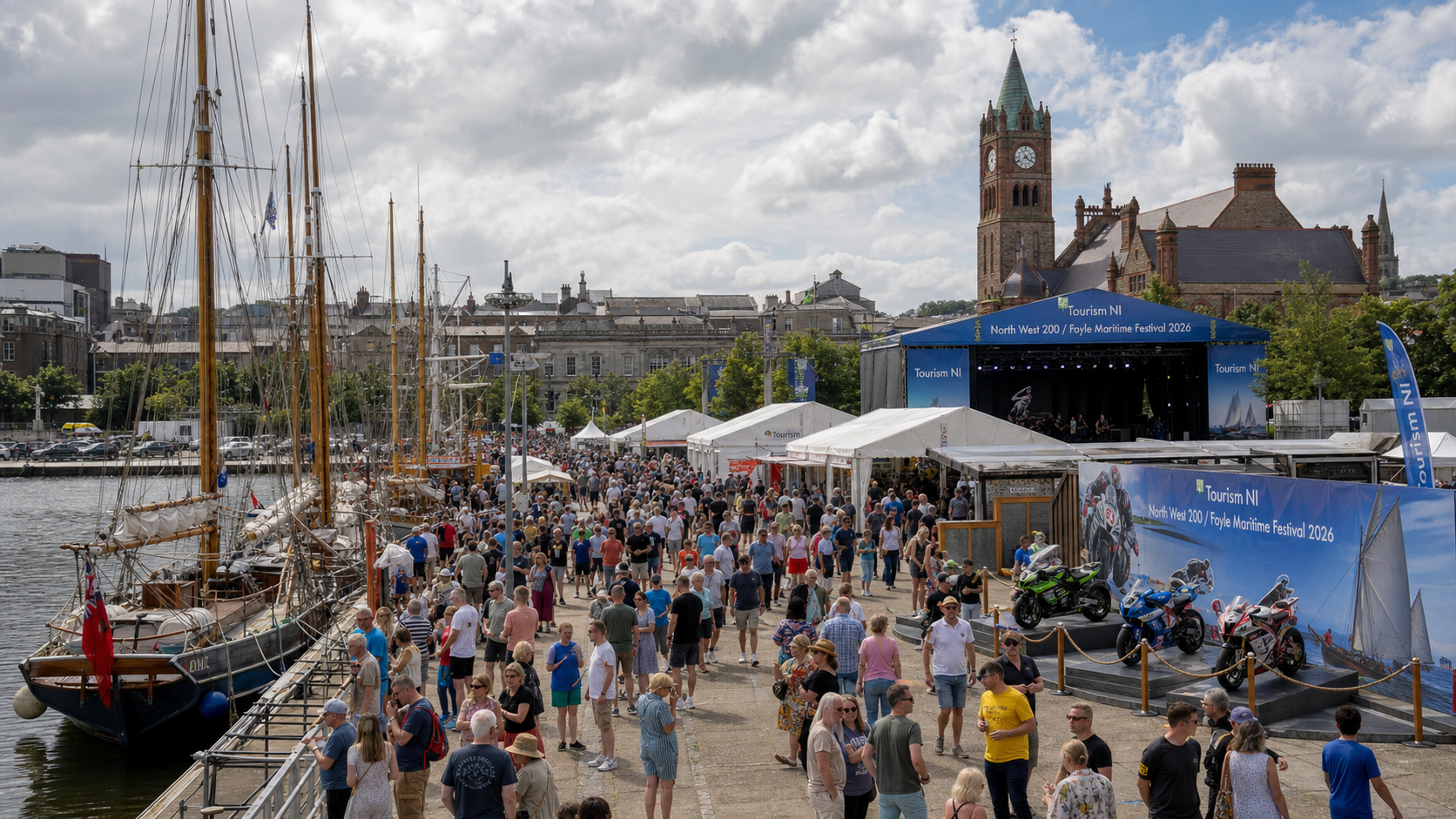
The economic benefits of cross-border tourism are felt across a wide range of sectors and communities in Northern Ireland. Hotels, bed and breakfasts, restaurants, and visitor attractions have all reported strong performances, with many operators noting that visitors from the Republic tend to stay longer and spend more than other visitor groups. Rural communities, in particular, have benefited from the growing interest in outdoor activities, heritage tourism, and agri-tourism experiences.
The figures also have implications for employment, with the tourism and hospitality sector remaining one of the largest employers in Northern Ireland. The sustained growth in visitor numbers provides a degree of confidence for businesses considering investment in new facilities and services, and for workers seeking stable employment in the sector.
A Shared Island Opportunity
The record tourism figures have been seized upon by advocates of closer North-South cooperation as evidence of the practical benefits of an integrated all-island approach to economic development. The Shared Island initiative, which has provided funding for cross-border infrastructure and tourism projects, has been credited with helping to create the conditions for the current boom.
Tourism Ireland, which markets the island of Ireland as a single destination to overseas visitors, has also played a role in raising the profile of Northern Ireland's attractions on the international stage. The organisation's campaigns have helped to position Northern Ireland as a must-visit destination for travellers from North America, Europe, and beyond, generating additional footfall that benefits the entire island.
Looking Ahead
With the World GAA Games coming to Waterford in July and a packed calendar of cultural and sporting events planned across the island for the remainder of 2026, tourism bodies are cautiously optimistic that the record-breaking figures can be sustained and even surpassed in the coming years. Investment in transport links, visitor infrastructure, and digital marketing will be key to maintaining the momentum, and both governments have signalled their commitment to supporting the sector.
For the communities on both sides of the border who depend on tourism for their livelihoods, the record €370 million figure is more than a statistic. It is a tangible demonstration of the economic value of openness, cooperation, and the enduring appeal of Ireland's landscapes, culture, and people.