US Government Shutdown Continues as TSA Agents Face Delayed Paychecks
A partial US government shutdown that began on 14 February 2026 has plunged America's aviation security system into crisis, with Transportation Security Administration agents working without pay, airport wait times surging to a historic average of 4.5 hours, and a political deadlock between the Republican-led House and the Senate showing no sign of imminent resolution.
The shutdown — the longest in US history by the time President Trump signed an executive order on 27 March to authorise emergency pay for TSA employees — stems from a bitter congressional dispute over Department of Homeland Security funding and the scope of federal immigration enforcement. It has left thousands of federal workers in financial hardship while continuing to perform essential duties, and has created significant disruption for travellers on both sides of the Atlantic.
Background
The immediate trigger for the shutdown was the killing of Alex Pretti by Customs and Border Protection agents on 24 January 2026, an incident that prompted Senate Democrats to withdraw their support for the pending DHS funding bill and demand significant reforms to federal immigration enforcement, including requirements for judicial warrants to enter private property, mandatory body cameras, and restrictions on operations near schools and hospitals.
When a two-week continuing resolution expired on 14 February without a deal, DHS funding lapsed, initiating a partial shutdown. With approximately 95% of the TSA's 61,000-person workforce deemed "essential," agents were mandated to work without pay — a situation that became untenable when TSA employees missed their first full paycheck on 13 March.
The political standoff hardened quickly. The Senate forged a bipartisan deal to fund agencies including the TSA, Coast Guard, and FEMA while excluding ICE's Enforcement and Removal Operations and border patrol. House Speaker Mike Johnson called the Senate bill "a joke" and the House passed its own short-term measure funding the entire DHS — including the disputed immigration agencies — on a narrow 213-203 vote. Senate Democrats declared the House bill "dead on arrival," and with the Senate adjourning for a two-week recess, the deadlock was locked in.
Key Developments
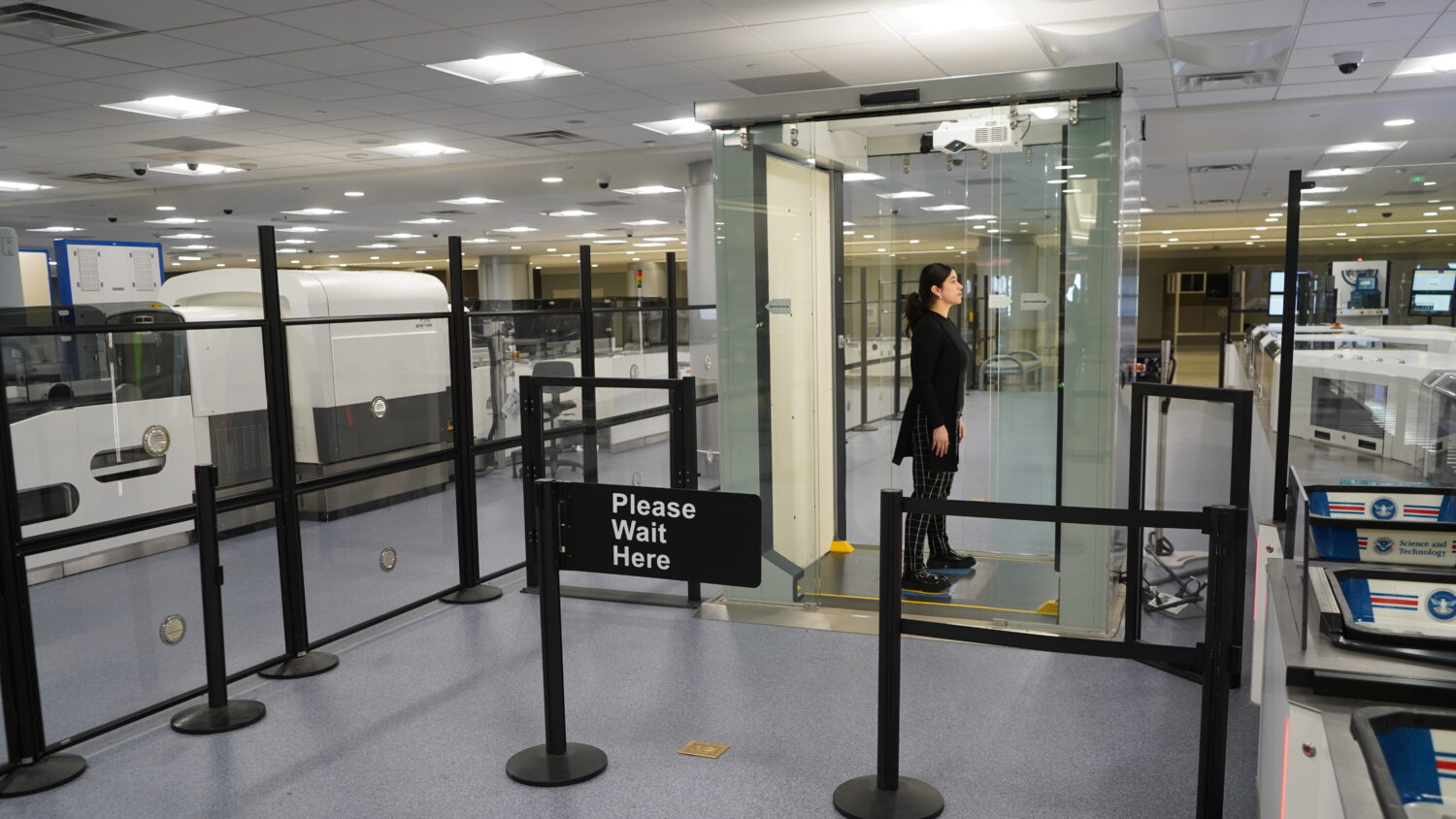
The human cost of the shutdown became starkly visible at airports across the country. The national rate of unscheduled absences among TSA officers surged from a pre-shutdown average of 4% to 11%, with some airports recording far worse figures: Houston's William P. Hobby Airport saw a 55% callout rate on a single day. JFK International averaged a 21% absence rate over the shutdown period, while Atlanta's Hartsfield-Jackson — one of the world's busiest airports — recorded 19%. By 25 March, approximately 460 officers had resigned, with the total eventually exceeding 1,110 by the shutdown's end — a significant loss of experienced personnel given that training a new officer takes four to six months.
On 27 March, President Trump signed an executive order directing the Secretary of Homeland Security to use available funds to pay TSA employees, drawing on a $10 billion border security allocation from a previously passed domestic policy package. DHS announced that back pay would be processed by 30 March. The shutdown ultimately ended on 30 April 2026 when Congress passed and the President signed a new funding bill, though the central dispute over immigration enforcement funding remained largely unresolved.
Why It Matters
The 76-day DHS shutdown exposed a fundamental vulnerability in the US government's approach to funding essential security services. By tying the pay of 61,000 aviation security officers to an unrelated political dispute over immigration enforcement, Congress created a situation in which the safety and efficiency of the world's busiest air travel network was held hostage to partisan brinkmanship. The loss of more than 1,100 experienced TSA officers — who will take months to replace and train — represents a lasting degradation of aviation security capacity that will outlast the shutdown itself. The episode also demonstrated the limits of executive action as a substitute for proper legislative funding, with the legality of Trump's emergency pay order questioned by budget experts even as it provided necessary relief to workers in financial distress.
Local Impact
For British travellers, the shutdown created real and practical disruption. The UK's Foreign, Commonwealth and Development Office issued advisories warning of significantly longer wait times at US ports of entry, with Customs and Border Protection officers also working without pay and processing arrivals more slowly. The most acute risk was for passengers with onward domestic connections within the US, where TSA delays of up to four hours made missing connecting flights a near-certainty for those with tight layovers. Travel advisories recommended building in layovers of at least three hours and monitoring flight status closely. Airlines operating transatlantic routes reported increased passenger complaints and compensation claims as a result of the disruption, adding financial pressure to an already challenging operating environment.
What's Next
While the shutdown has ended, its consequences will be felt for months. The TSA faces the challenge of rebuilding its workforce after losing more than 1,100 officers, a process that will take the better part of a year given training requirements. The underlying political dispute over immigration enforcement funding remains unresolved, raising the prospect of further standoffs when the current funding bill expires. Congressional leaders on both sides have indicated they intend to revisit the question of DHS funding and immigration reform, but with the November 2026 midterm elections approaching, the incentives for compromise are limited.
Sources: Wikipedia — 2026 US Government Shutdowns | AP News | AirAdvisor — Impact on UK Travellers