UK Issues New Screen Time Limits for Young Children: One Hour Maximum for Ages 2-5
The UK government has issued new guidance on screen time for children under five, recommending strict limits to protect critical early brain development and warning against fast-paced social media content and AI tools for young children.
The guidance, developed by a panel led by England's children's commissioner, establishes clear boundaries for digital device use during the crucial early years when 90% of a child's brain growth occurs.
Age-Specific Recommendations
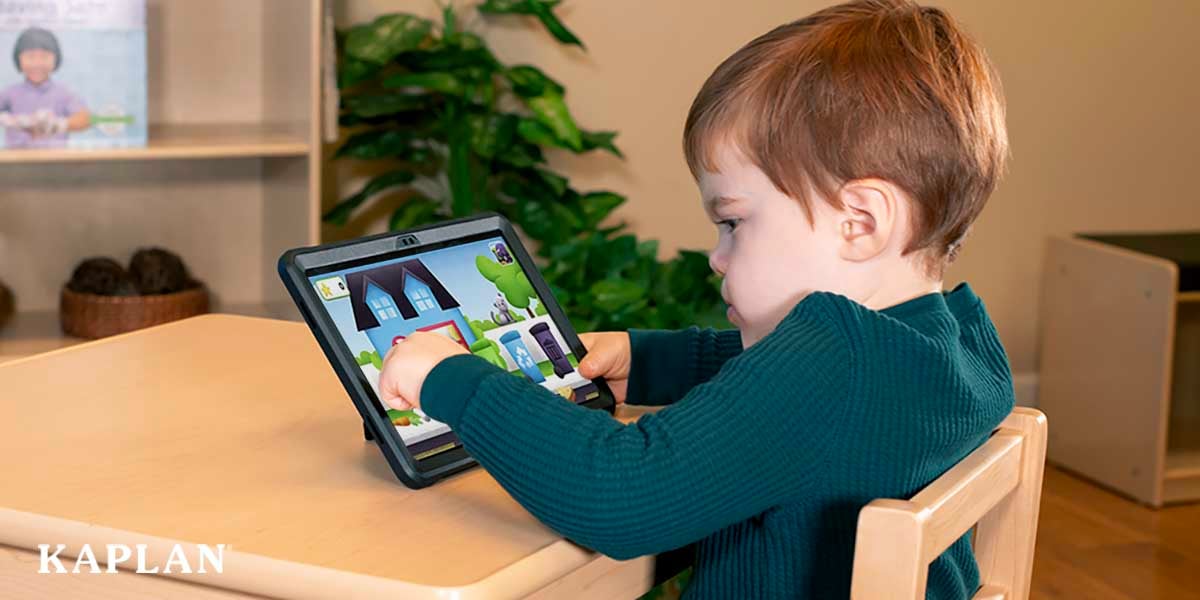
For children under two, screen time should be avoided except for shared, interactive activities like video calls with family. For children between two and five years old, the recommended daily limit for screen time is no more than one hour.
The guidance specifically warns against fast-paced, social-media style videos and AI tools for young children, as they may negatively affect concentration development.
Brain Development Concerns
The recommendations are grounded in research showing that excessive screen time can impact social, emotional, and language development during the critical period when children's brains are rapidly growing.
Prof Sonia Livingstone, an expert on children's use of digital media, emphasized a fundamental principle: "Children develop through interaction with other people."
Practical 'Safe Screen Swaps'
The guidance suggests practical alternatives to screen time, including:
- Replacing screens at mealtimes with conversation or games
- Avoiding screens for an hour before bedtime in favor of reading
- Prioritizing face-to-face interaction and physical play
Growing Concern
The new guidelines reflect growing concern among health professionals and policymakers about the impact of digital devices on child development. While screens are increasingly ubiquitous in modern life, the guidance emphasizes that the early years require special protection to ensure healthy cognitive and social development.
Source: The Guardian