UK Government's OpenAI Partnership Has Produced No Trials Eight Months On
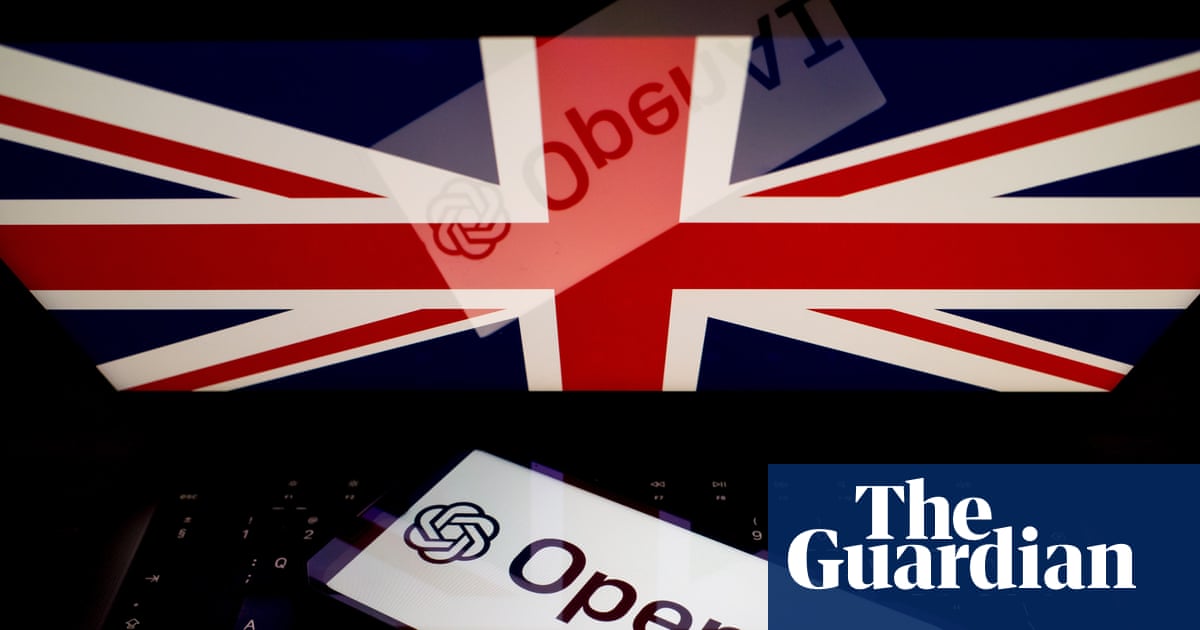
The UK government's high-profile partnership with OpenAI, the company behind ChatGPT, has failed to produce a single trial eight months after it was announced, according to documents obtained through a Freedom of Information request.
The revelation has prompted sharp criticism from technology policy experts and AI consultants, who argue that the government is not taking the transformative impact of artificial intelligence on the UK economy seriously enough.
Background
The memorandum of understanding (MoU) between the Department for Science, Innovation and Technology (DSIT) and OpenAI was announced with considerable fanfare, with ministers hailing it as a way to harness advanced AI to "address society's greatest challenges." The agreement was positioned as a centrepiece of the government's ambition to make the UK a global leader in artificial intelligence.
Key Developments
A Freedom of Information request filed by Tarek Nseir, founder of an AI consultancy, found no evidence of any trials being conducted under the MoU. In response, DSIT pointed to a separate agreement allowing the Ministry of Justice to use ChatGPT, but critics argue this falls far short of the MoU's stated ambitions.
Nseir stated: "Rolling out ChatGPT in a department hardly reflects the ambition of the MoU... If this was the intent of the MoU then our government is not taking the impact of AI on our economy seriously." Matt Davies of the Ada Lovelace Institute added that voluntary partnerships with large AI companies "don't follow the usual procurement rules, raising real questions about accountability and scrutiny." He noted that polling shows 84% of the public are worried about the tech sector's interests being prioritised over public protection.
Why It Matters
The UK is competing with the United States, China, and the European Union to attract AI investment and establish regulatory frameworks that balance innovation with public safety. A failure to translate high-profile announcements into concrete action risks undermining confidence in the government's technology strategy and could deter the very investment it is seeking to attract.
What's Next
DSIT is expected to face further parliamentary scrutiny over the OpenAI partnership. The Ada Lovelace Institute and other civil society organisations are calling for greater transparency about the terms of the agreement and what public benefit it is intended to deliver. The government's broader AI strategy is due for review later in 2026.
Read more at The Guardian.