UK Government Reverses AI Copyright Plans in Victory for British Creative Industries
The UK government has reversed its controversial plans to allow artificial intelligence companies to use copyright-protected creative work without the permission of rights holders, in a significant victory for British artists, musicians, writers, and filmmakers.
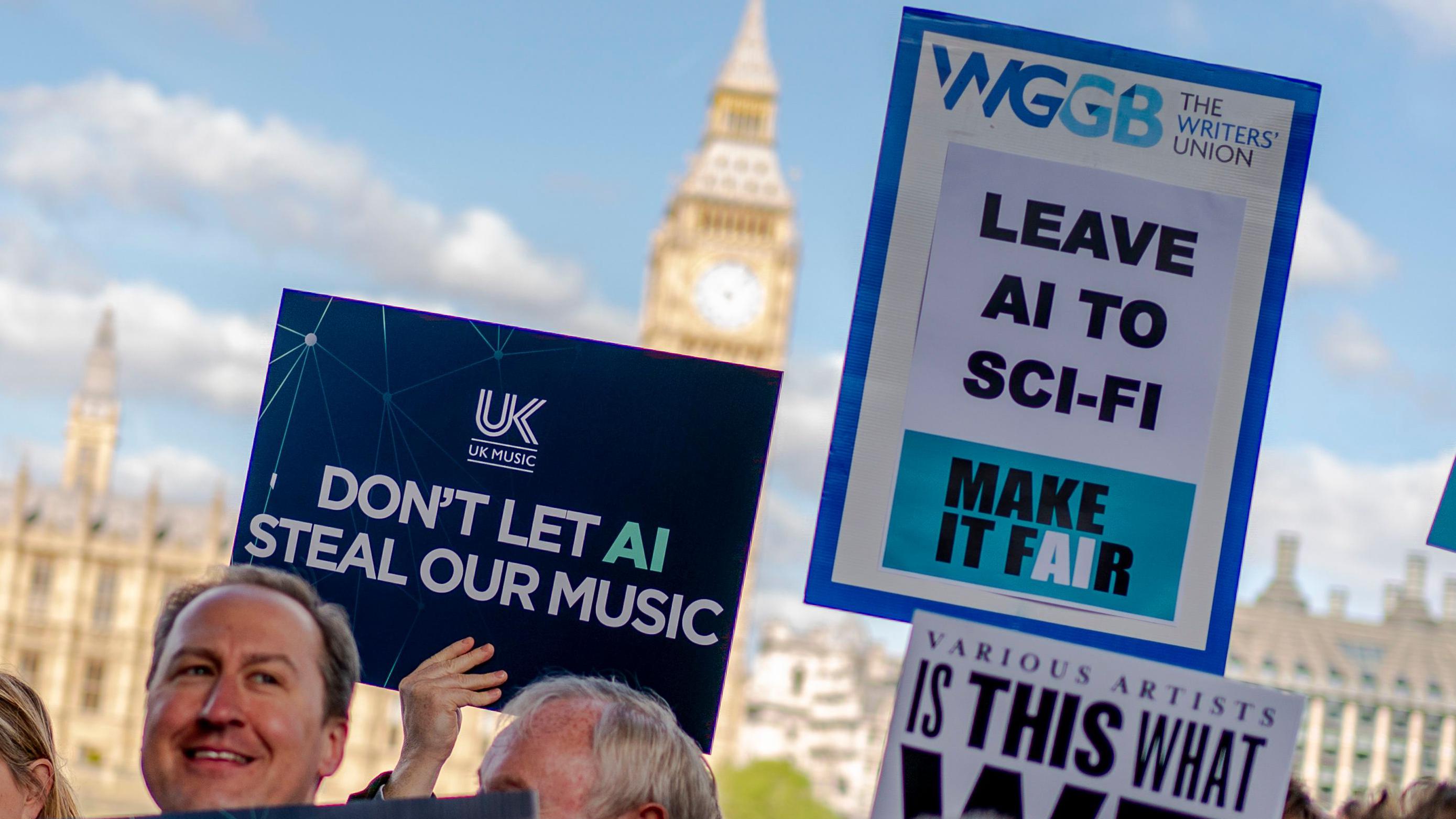
The decision, welcomed by creative industry bodies across the UK, came after sustained pressure from artists, performers, and cultural organisations who argued that the original proposals would have handed a commercial advantage to US technology companies at the expense of British creators.
Key Developments
Equity, the actors' and performers' union, described the government's reversal as "recognition that selling out the UK's creative industries to benefit US tech companies would have been an act of national self-sabotage." The union had been among the most vocal opponents of the original plans, which would have allowed AI firms to train their models on copyrighted material under a broad text and data mining exemption.
The creative industries — which include film, television, music, publishing, and the visual arts — are among the UK's most significant economic sectors, contributing tens of billions of pounds to the economy annually and employing hundreds of thousands of people. Industry bodies had warned that allowing unrestricted AI training on copyrighted work would undermine the economic model that sustains creative careers in Britain.
Background
The original proposals had been put forward as part of the government's broader AI strategy, with ministers arguing that a permissive approach to AI training data would help the UK compete with the United States and China in the global AI race. However, the plans provoked an unusually unified response from the creative sector, with artists, authors, and performers from across the political spectrum joining forces to oppose them.
The UK's creative industries have been particularly concerned about the use of their work to train generative AI systems that can then produce text, images, music, and video in direct competition with human creators, without any compensation flowing back to the original rights holders.
Why It Matters
The decision has significant implications for the future of AI regulation in the UK. It signals that the government is willing to prioritise the interests of established creative industries over the demands of the technology sector, and may influence how other countries approach the same question. The UK's Online Safety Act and Ofcom's ongoing regulatory work on digital platforms are part of a broader effort to ensure that technology companies operate within a framework that protects British citizens and industries.
What's Next
The government is expected to consult further on alternative approaches to AI training data, potentially including a licensing framework that would allow AI companies to use copyrighted material in exchange for fair compensation to rights holders. Full details are available at Positive News.