Toxic Blue-Green Algae Spreads Across Northern Ireland's Waterways as Heatwave Conditions Persist
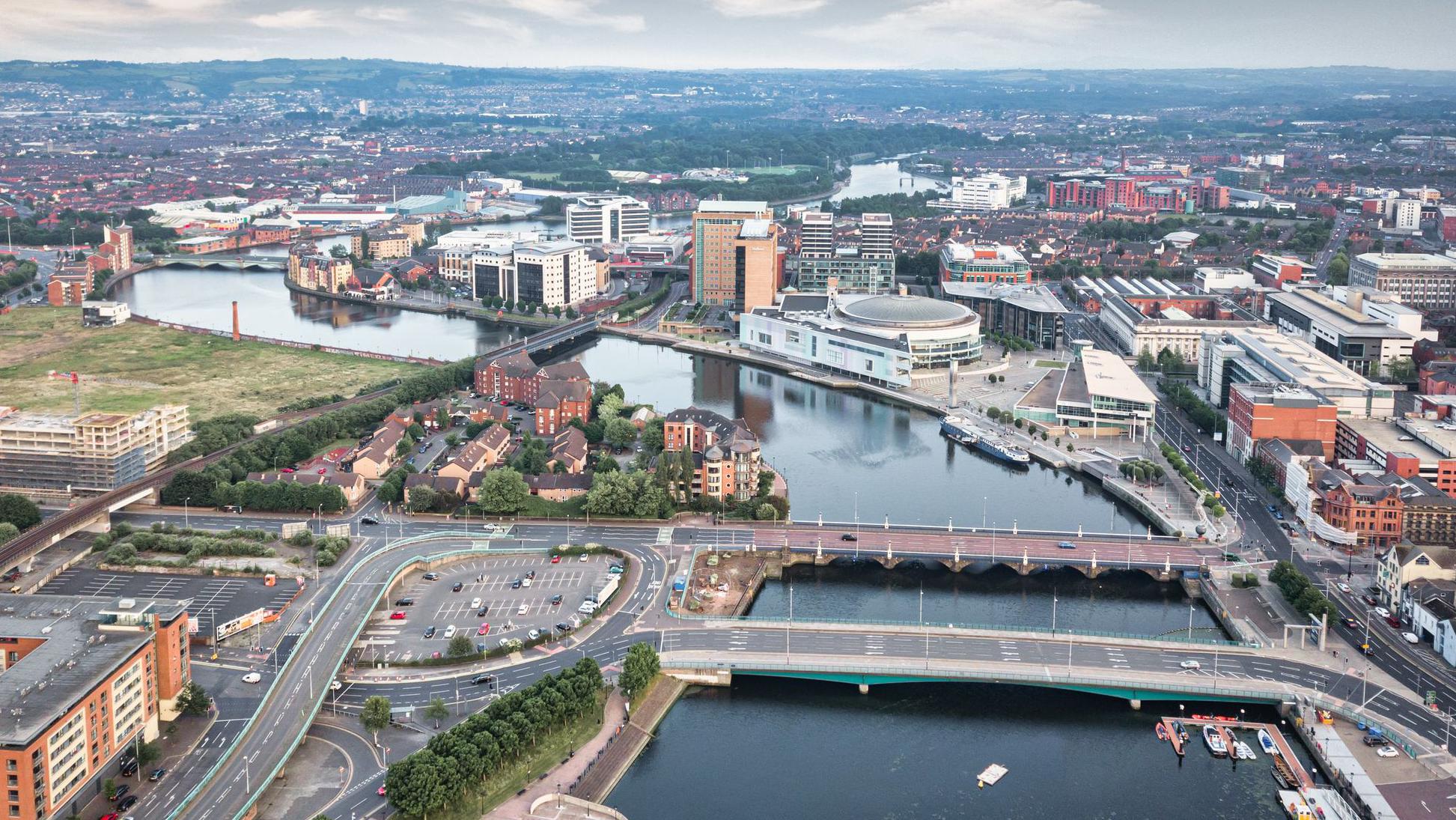
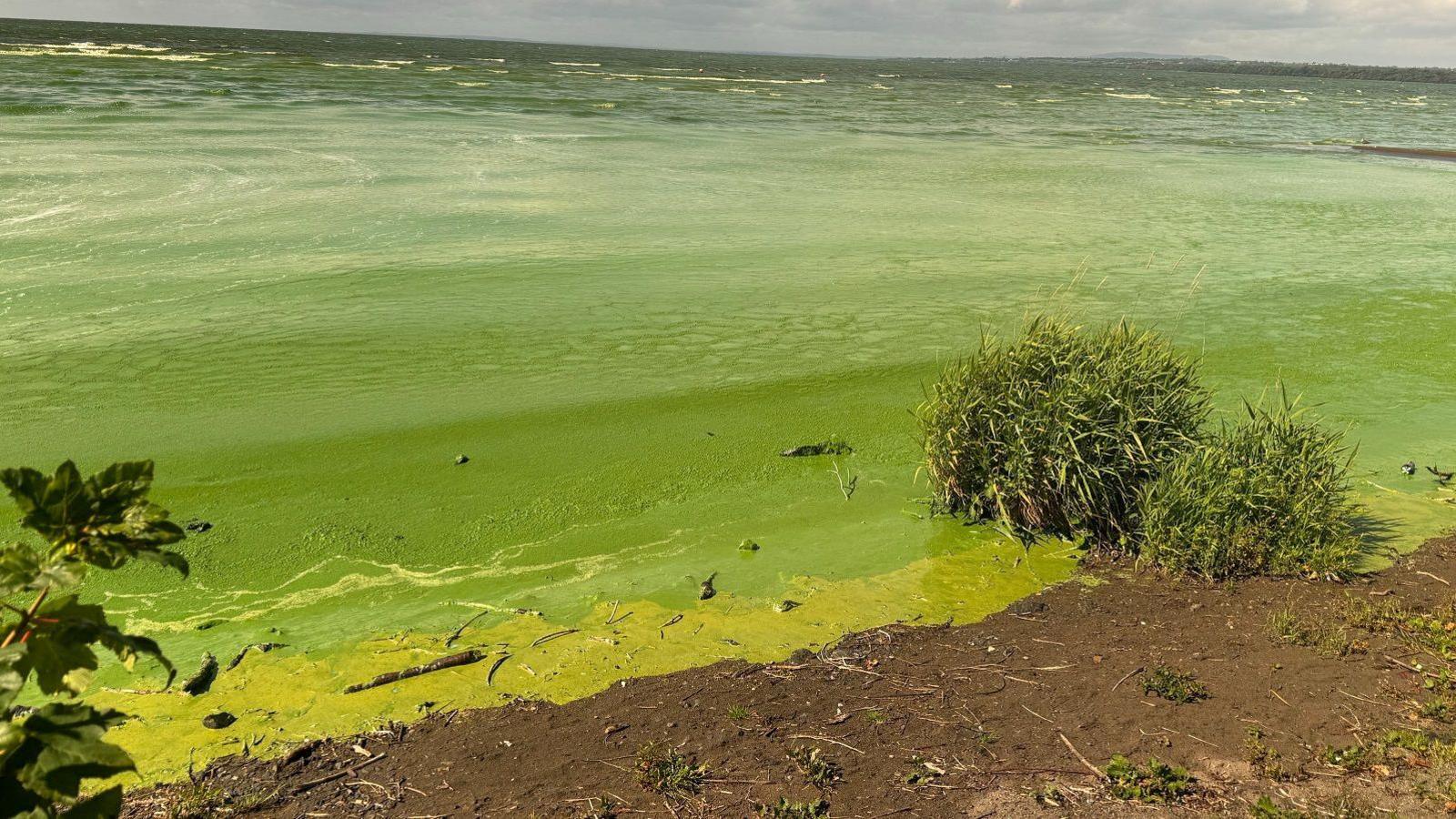
Toxic blue-green algae is spreading across Northern Ireland's lakes, rivers, and coastal waters as the prolonged heatwave drives water temperatures to levels that accelerate bloom formation. The Northern Ireland Environment Agency (NIEA) has issued warnings for multiple sites across the region, urging the public to keep children and pets away from affected water bodies and to avoid any contact with water that appears discoloured or has a surface scum. The blooms, which can produce toxins harmful to humans and animals, are expected to persist as long as the current warm, settled weather continues.
Background
Blue-green algae — more accurately described as cyanobacteria, since they are bacteria rather than true algae — are naturally present in freshwater and coastal environments across Ireland and the United Kingdom. Under normal conditions, their populations are kept in check by cooler water temperatures, wind-driven mixing, and competition from other aquatic organisms. However, when water temperatures rise above approximately 20°C and conditions are calm and sunny, cyanobacteria can multiply rapidly, forming dense surface blooms that can cover large areas of water in a matter of days.
The blooms are not merely unsightly. Many species of cyanobacteria produce toxins — cyanotoxins — that can cause a range of health effects in humans and animals, from skin irritation and eye inflammation to, in severe cases, liver damage and neurological symptoms. Dogs are particularly vulnerable, as they are likely to drink affected water and to lick their fur after swimming. Several dog deaths linked to blue-green algae exposure have been recorded in Northern Ireland and the Republic in recent years, and the NIEA has consistently warned pet owners to be vigilant during warm weather.
Lough Neagh, the largest freshwater lake in the British Isles and a critical source of drinking water for approximately 40% of Northern Ireland's population, has been particularly affected by blue-green algae in recent years. The lake has experienced severe blooms linked to elevated nutrient levels — primarily phosphorus from agricultural runoff and sewage — that provide the fuel for cyanobacterial growth when temperatures rise. The Lough Neagh crisis has become a major environmental and political issue in Northern Ireland, with campaigners calling for urgent action to reduce nutrient inputs and restore the lake's ecological health.
Key Developments
The current outbreak has been driven by the combination of the prolonged heatwave — Northern Ireland's longest in 50 years, with temperatures reaching 28°C in western counties — and the elevated nutrient levels that persist in many of the region's water bodies. The NIEA has confirmed that blooms have been detected at multiple sites across Northern Ireland, including several popular recreational lakes and stretches of river that are heavily used by swimmers, kayakers, and dog walkers during the summer months.
Warning signs have been erected at affected sites, and the NIEA has issued public health guidance advising people to avoid contact with water that appears green, blue-green, or brown, or that has a surface scum or an unusual smell. The agency has also advised against eating fish caught from affected waters until the blooms subside. NI Water has confirmed that its treatment processes are capable of removing cyanotoxins from drinking water, but has urged the public to report any unusual discolouration or odour in tap water.
The spread of the blooms has prompted renewed calls from environmental groups for accelerated action on nutrient pollution in Northern Ireland's waterways. The Lough Neagh Partnership, which has been campaigning for a comprehensive restoration plan for the lake, has written to the Stormont Executive calling for an emergency meeting to discuss the current situation and to press for the implementation of measures to reduce agricultural and sewage inputs to the lake and its tributaries.
Why It Matters
The blue-green algae crisis is a symptom of a deeper environmental problem that Northern Ireland has been slow to address. The region's waterways are among the most nutrient-polluted in Europe, a legacy of decades of intensive agriculture and inadequate wastewater treatment infrastructure. The warm summers that climate change is making more frequent and more intense are turning a chronic problem into an acute one, with blooms appearing earlier in the season, lasting longer, and covering larger areas than in previous decades.
The public health implications are real and immediate. Families who would normally use Northern Ireland's lakes and rivers for swimming, kayaking, and recreation during the summer months are being warned away from the water. Dog owners face the anxiety of keeping their pets safe in a landscape where the hazard is not always visible until it is too late. And the communities that depend on Lough Neagh for their drinking water are entitled to ask why, after years of warnings, the nutrient pollution that drives the blooms has not been more effectively controlled.
Local Impact
The impact is being felt across Northern Ireland's recreational and tourism economy. Lough Erne in Fermanagh, one of the region's most popular water sports destinations, has been affected by blooms in recent weeks, with sailing clubs and water sports centres reporting cancellations and reduced visitor numbers. The Antrim coast and the shores of Lough Neagh have also seen warnings issued, affecting communities from Randalstown to Antrim town. In Derry, the River Foyle has been subject to monitoring, with the NIEA conducting regular water quality tests at popular access points. Translink has noted increased demand for bus services to inland recreational areas as people seek alternatives to affected waterways.
What's Next
The NIEA will continue to monitor affected sites daily and will update its public warnings as conditions change. The blooms are expected to persist as long as the current heatwave continues, with a significant improvement unlikely until cooler, windier weather returns to break the thermal stratification of the water. The Stormont Executive's Agriculture, Environment and Rural Affairs Committee is expected to hold an emergency session on the Lough Neagh situation in the coming weeks, with the Minister for Agriculture, Environment and Rural Affairs facing calls to publish a comprehensive action plan for reducing nutrient pollution across Northern Ireland's waterways before the end of the year.