The Script's Danny O'Donoghue Lobbies Dáil for Law to Protect Artists from AI Copyright Theft
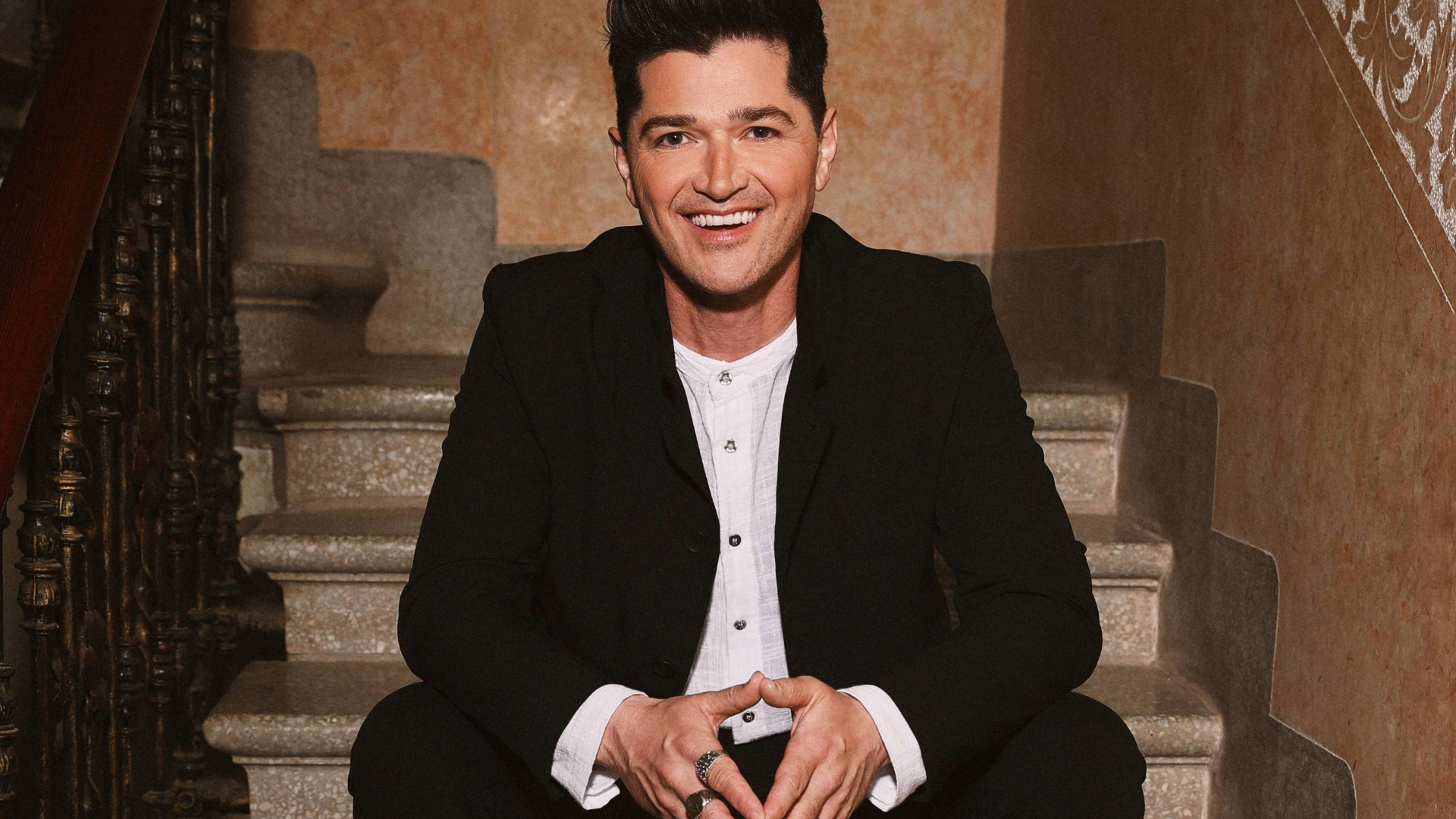
Danny O'Donoghue, the frontman of hugely successful Irish band The Script, visited Leinster House on July 14 to advocate directly with TDs and senators for stronger legislation protecting the rights of creators against the unauthorised use of their work by technology companies developing artificial intelligence systems. O'Donoghue revealed during his visit that 125 of The Script's songs had been used as training data by five major technology companies without the band's knowledge or consent — a disclosure that he described as "intellectual property theft on an industrial scale" and that has galvanised the Irish music industry's campaign for legislative protection.
Background
The Script, formed in Dublin in 2001, is one of the most commercially successful Irish bands of the past two decades. With multiple platinum albums, sold-out arena tours, and a global fanbase, the band has achieved a level of international success that places them among the most prominent Irish musical acts of their generation. Their catalogue of songs, which includes hits such as "The Man Who Can't Be Moved," "Hall of Fame," and "Breakeven," represents a significant body of creative work that has been built over more than two decades of songwriting and recording.
The issue of technology companies and copyright has become one of the most pressing concerns in the global creative industries over the past two years. Technology companies developing large language models and other systems have used vast quantities of copyrighted material — including music, literature, visual art, and other creative works — as training data, often without the knowledge or consent of the creators and without any payment or attribution. This practice has generated significant legal and ethical controversy, with creators across multiple disciplines arguing that it constitutes a fundamental violation of their intellectual property rights.
In Ireland, the issue has been taken up by a coalition of creative industry organisations, including the Irish Music Rights Organisation, the Screen Composers Guild of Ireland, and the Irish Writers Union, which have been lobbying for legislative action to protect creators' rights. The campaign has gained momentum in recent months, and O'Donoghue's visit to Leinster House represents a significant escalation in the public profile of the issue.
Key Developments
The Journal reported on July 14 that O'Donoghue's visit to Leinster House coincided with a Dáil debate on a private members' motion tabled by Sinn Féin's arts spokesperson, Aengus Ó Snodaigh. The motion calls for the government to introduce legislation that would guarantee fair remuneration for artists whose work is used to train technology systems, mandate transparency from developers about the data they use, and establish clear opt-out rights for creators who do not wish their work to be used in this way.
O'Donoghue's revelation that 125 of The Script's songs had been used as training data by five major technology companies without consent was a striking and specific disclosure that gave concrete form to what might otherwise seem like an abstract policy debate. The band had not been informed that their music was being used, had not consented to its use, and had received no payment or attribution. O'Donoghue described this as an "avalanche" that poses an existential threat to emerging artists and the sustainability of the music industry.
In a significant development, a government spokesperson confirmed that the administration would not oppose the Sinn Féin motion, stating its commitment to ethical development of technology and noting that Ireland's current Presidency of the Council of the European Union offers a key opportunity to shape European policy on the issue. The motion also proposes a ban on the use of public arts funding for content generated by technology systems, a measure that has been welcomed by arts organisations.
Why It Matters
The copyright issue matters because it goes to the heart of how creative work is valued and protected in the digital age. The music industry, which has already been transformed by the shift to streaming and the resulting collapse in recorded music revenues, is now facing a new threat from technology systems that can generate music in the style of established artists without any payment to those artists or their labels.
For emerging artists, the threat is particularly acute. Established acts like The Script have the resources and profile to advocate for their rights, but emerging musicians who are trying to build a career have neither the financial resources nor the public platform to challenge the technology companies that are using their work without consent. The legislative protections that O'Donoghue is advocating for would benefit all creators, but they are most important for those at the beginning of their careers.
Ireland's EU Presidency provides a genuine opportunity to shape European policy on this issue, and the government's decision not to oppose the Sinn Féin motion suggests a willingness to engage constructively with the creative industries' concerns. European-level legislation on technology and copyright would be more effective than national legislation alone, given the global nature of the technology companies involved.
Local Impact
In Ireland, the copyright debate has resonated strongly with the creative community, which has been following the issue closely and engaging with the legislative process through their representative organisations. The Irish Music Rights Organisation, which collects and distributes royalties on behalf of Irish songwriters and composers, has been particularly active in the campaign, arguing that the unauthorised use of its members' work represents a fundamental threat to the economic model that sustains Irish music.
For Irish musicians, songwriters, and composers, the issue is not abstract — it is a direct threat to their livelihoods. The music industry in Ireland supports thousands of jobs, from performers and songwriters to producers, engineers, and the wider ecosystem of businesses that serve the creative sector. Legislative protection for creators' rights is essential to the sustainability of this ecosystem.
The Screen Composers Guild of Ireland, which represents composers who write music for film, television, and other screen media, has also been active in the campaign. The guild's members are particularly vulnerable to the threat of technology-generated music, which can produce functional scores at a fraction of the cost of commissioning a human composer.
What's Next
The Sinn Féin motion on copyright is expected to pass the Dáil with government support, following the confirmation that the administration will not oppose it. The passage of the motion will create political momentum for the introduction of substantive legislation, though the timeline for that legislation remains to be determined.
Ireland's EU Presidency provides a window of opportunity to advance the issue at European level, and the government has indicated its intention to use the Presidency to shape the EU's approach to copyright. The outcome of those discussions will be important for creators across Europe, not just in Ireland.
The Irish Music Rights Organisation and other creative industry bodies will continue their engagement with the government and with the Oireachtas on the legislative agenda, pressing for specific and enforceable protections that go beyond the general principles articulated in the Sinn Féin motion. The detail of any legislation will be crucial, and the creative industries are determined to ensure that the protections enacted are meaningful and effective.