Taoiseach Visits Manchester Irish Community Centre as Diaspora Celebrates Historic No 10 North Meeting
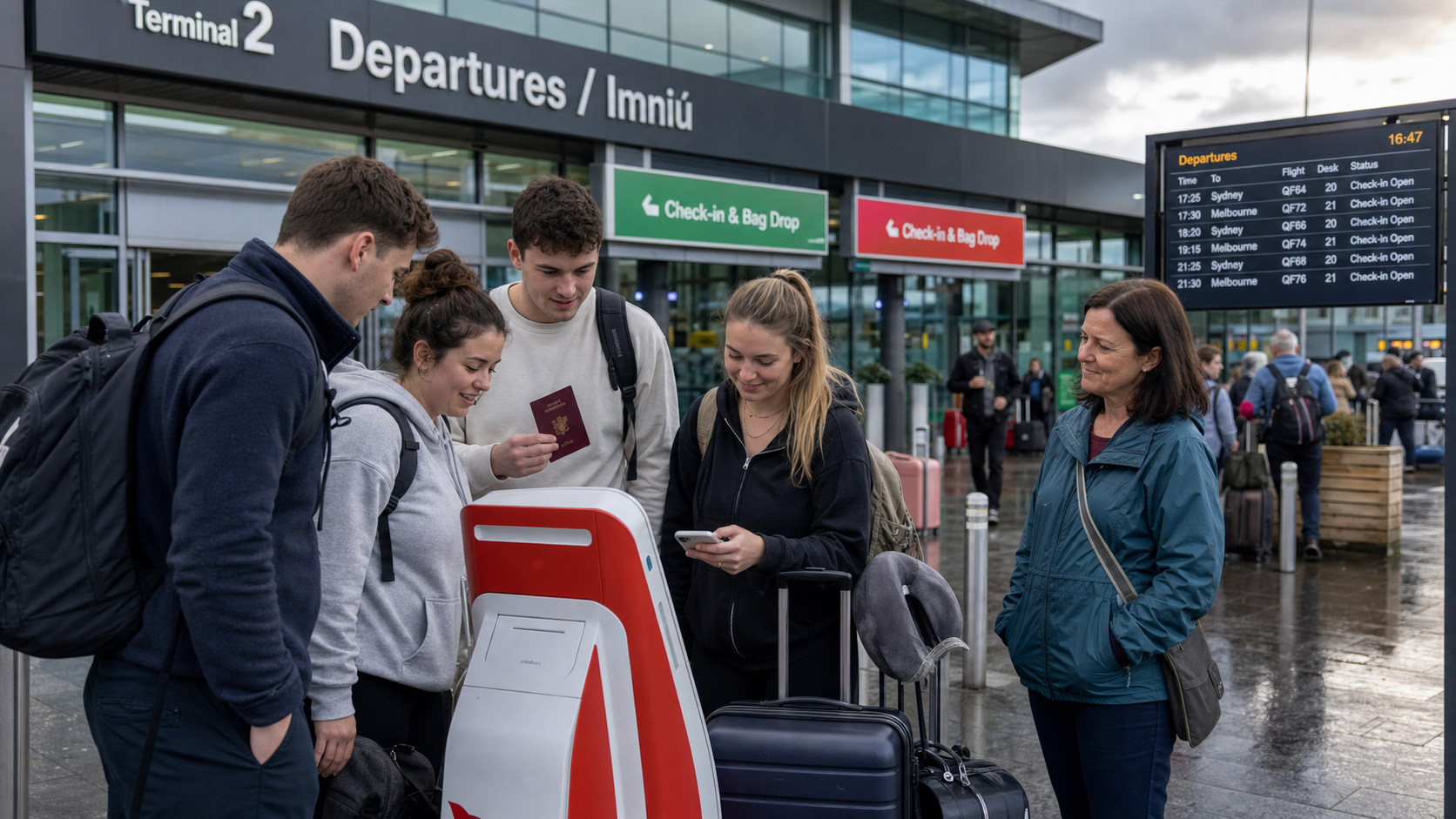
Taoiseach Micheál Martin visited an Irish community centre in Greater Manchester on Friday following his historic bilateral meeting with UK Prime Minister Andy Burnham at No 10 North, spending time with members of a diaspora community that has deep roots in the city stretching back to the Famine era and that has maintained a vibrant Irish cultural life through generations of settlement, integration, and renewal.
Background
The Irish community in Greater Manchester is one of the largest and most established in Britain. The first significant wave of Irish settlement in Manchester came during and after the Great Famine of the 1840s, when tens of thousands of Irish people fled starvation and disease to seek work in the mills and factories of the industrial north of England. Those early settlers established the foundations of an Irish community that has been continuously renewed by subsequent waves of emigration — in the 1950s and 1960s, in the 1980s, and most recently in the years following the 2008 financial crisis.
Manchester's Irish community has produced some of the most significant figures in Irish cultural and political life. The city was the birthplace of the Irish Republican Brotherhood, founded in 1858, and has been a centre of Irish political activity ever since. The Manchester Martyrs — William Philip Allen, Michael Larkin, and Michael O'Brien, executed in 1867 for their role in a rescue operation that resulted in the death of a police officer — are commemorated annually in the city, and their memory remains a touchstone for the Irish community's sense of identity and history.
The Irish community centre visited by the Taoiseach is one of several organisations in Greater Manchester that provide social, cultural, and welfare services to Irish people in the city. These centres have played a crucial role in maintaining Irish cultural identity across generations, providing a space for traditional music, language classes, sporting activities, and social support for Irish people who are isolated or in need of assistance.
Key Developments
The Taoiseach's visit to the community centre followed his bilateral meeting with Prime Minister Burnham at Heron House, the site of No 10 North. The two leaders had agreed during their meeting to include a visit to the Irish community as part of the day's programme, reflecting both the personal significance of the diaspora to Martin and the political importance of demonstrating that the Irish government's engagement with Britain extends beyond the formal diplomatic level.
At the community centre, Martin met with a cross-section of the Irish community in Manchester, including long-established residents who have lived in the city for decades, more recent arrivals who came during the post-2008 emigration wave, and members of the second and third generation who have maintained their Irish identity while building lives in England. The Taoiseach spoke about the government's Diaspora Strategy 2026-2030, which was launched in May and which sets out a series of commitments to support Irish communities abroad.
Several community members raised specific concerns with the Taoiseach, including the availability of Irish consular services in the north of England, the recognition of Irish qualifications in the UK labour market, and the impact of the forthcoming changes to Irish naturalisation rules on members of the diaspora who wish to return to Ireland. Martin indicated that the government would consider these concerns as part of its ongoing review of diaspora policy.
Prime Minister Burnham, who accompanied the Taoiseach to the community centre, spoke about his own connections to the Irish community in Manchester and his admiration for the contribution that Irish people have made to the city's cultural and economic life. Burnham, who grew up in Leigh in Greater Manchester, noted that the Irish community has been part of the fabric of the city for generations and that its contribution is woven into the history of Manchester in ways that are not always fully recognised.
Why It Matters
The Taoiseach's visit to the Manchester Irish community centre is significant as a demonstration of the Irish government's commitment to engaging with the diaspora in a meaningful and personal way. The Diaspora Strategy 2026-2030 sets out a series of commitments to support Irish communities abroad, but the strategy's value depends on the extent to which it translates into concrete action. The visit to Manchester — and the conversations that took place there — provides an opportunity to identify specific needs and to ensure that the strategy's commitments are responsive to the realities of diaspora life.
The visit also has symbolic significance. The Irish community in Britain has sometimes felt overlooked by the Irish government, which has historically focused its diaspora engagement on the United States and Australia. The decision to include a community visit as part of the Manchester programme sends a signal that the government recognises the importance of the British Irish community and is committed to maintaining a meaningful relationship with it.
Local Impact
For the Irish community in Greater Manchester, the Taoiseach's visit was a moment of considerable significance. Community leaders have spoken of the importance of feeling seen and valued by the Irish government, and the personal engagement that Martin brought to the visit — spending time with individual community members and listening to their concerns — was widely appreciated. The visit is expected to generate renewed interest in the community centre's programmes and to attract new members who may not previously have been aware of the services it provides.
The Irish community in Manchester is also watching closely the developments in UK-Ireland relations that the Burnham-Martin meeting represents. Many community members have a direct stake in the relationship between the two countries — through family ties, business connections, and the practical realities of living as Irish citizens in Britain — and the positive tone of the bilateral meeting was welcomed as a sign that the relationship is in good hands.
What's Next
The Irish government is expected to publish a formal joint statement on UK-Ireland relations in the coming weeks, setting out the priorities agreed at the Manchester meeting. The Diaspora Strategy 2026-2030 implementation plan will be updated to reflect the concerns raised by community members during the Taoiseach's visit. The next formal engagement between Martin and Burnham is expected to take place at the EU-UK summit in November, during Ireland's Council presidency.