A Bill Stalled at Stormont
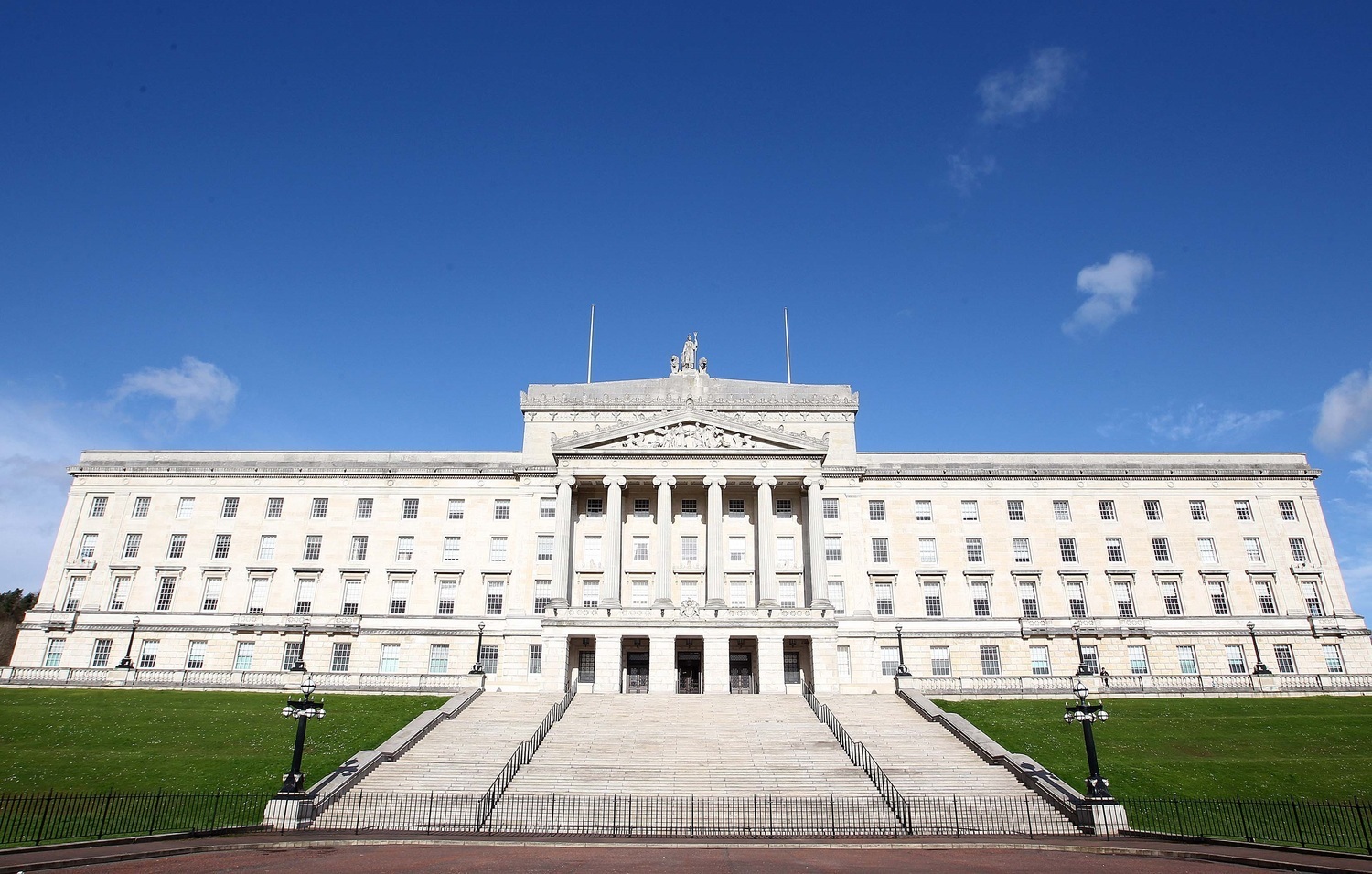
Efforts to introduce a comprehensive Racial Equality Bill in Northern Ireland have stalled amid a political standoff at Stormont, with the legislation failing to progress despite growing evidence of rising hate crime and racial discrimination in the region. The bill, which would provide a statutory framework for racial equality and introduce new protections for minority ethnic communities, has been caught up in the broader political tensions that have characterised the current Stormont mandate.
The delay has been criticised by equality organisations, minority ethnic community groups, and opposition politicians, who argue that Northern Ireland is falling behind the rest of the United Kingdom and the Republic of Ireland in its approach to racial equality legislation. They point to the recent riots in North Belfast as evidence of the urgent need for stronger legal protections and a more robust policy framework for addressing racism and discrimination.
Rising Hate Crime Figures
The political stalemate comes against a backdrop of rising hate crime statistics in Northern Ireland. The most recent figures from the PSNI show a significant increase in racially motivated incidents, with minority ethnic communities reporting heightened levels of fear and anxiety in the wake of the June disturbances. Community organisations working with minority ethnic groups have described the current climate as the most challenging they have experienced in years.
The first black mayor in Northern Ireland's history has been among those calling for urgent action, stating publicly that the current racism strategy falls short of what is needed to protect minority ethnic communities and to promote genuine equality. His comments have added weight to the calls for legislative action and have put pressure on the Executive to prioritise the Racial Equality Bill.
The Political Obstacles
The bill has faced opposition from some unionist parties, who have raised concerns about its scope and potential implications. There are also broader questions about the capacity of the current Executive to deliver on its legislative programme, given the ongoing tensions between the parties in government and the pressures of managing a challenging budget settlement.
Equality organisations have expressed frustration at the pace of progress, arguing that the political obstacles are being used as an excuse to delay legislation that is urgently needed. They have called on the First Minister and Deputy First Minister to demonstrate leadership on the issue and to ensure that the bill is brought forward for debate and passage before the end of the current mandate.
What the Bill Would Do
The proposed Racial Equality Bill would introduce a range of measures designed to strengthen protections against racial discrimination and to promote equality of opportunity for minority ethnic communities in Northern Ireland. These would include new duties on public bodies to promote racial equality, enhanced enforcement mechanisms, and provisions for positive action to address historical disadvantage.
Proponents of the bill argue that it would bring Northern Ireland into line with best practice in other jurisdictions and would send a clear signal that racism and discrimination are not tolerated. They also point to the economic benefits of a more inclusive society, arguing that Northern Ireland's ability to attract and retain talent from diverse backgrounds depends on its reputation as a welcoming and equal place to live and work.
The Path Forward
With the marching season at its peak and political attention focused on managing community tensions, the prospects for early progress on the Racial Equality Bill appear limited. However, equality organisations are determined to maintain pressure on the Executive and to ensure that the issue remains on the political agenda. The coming weeks and months will be crucial in determining whether Northern Ireland can make the legislative progress that minority ethnic communities are demanding.