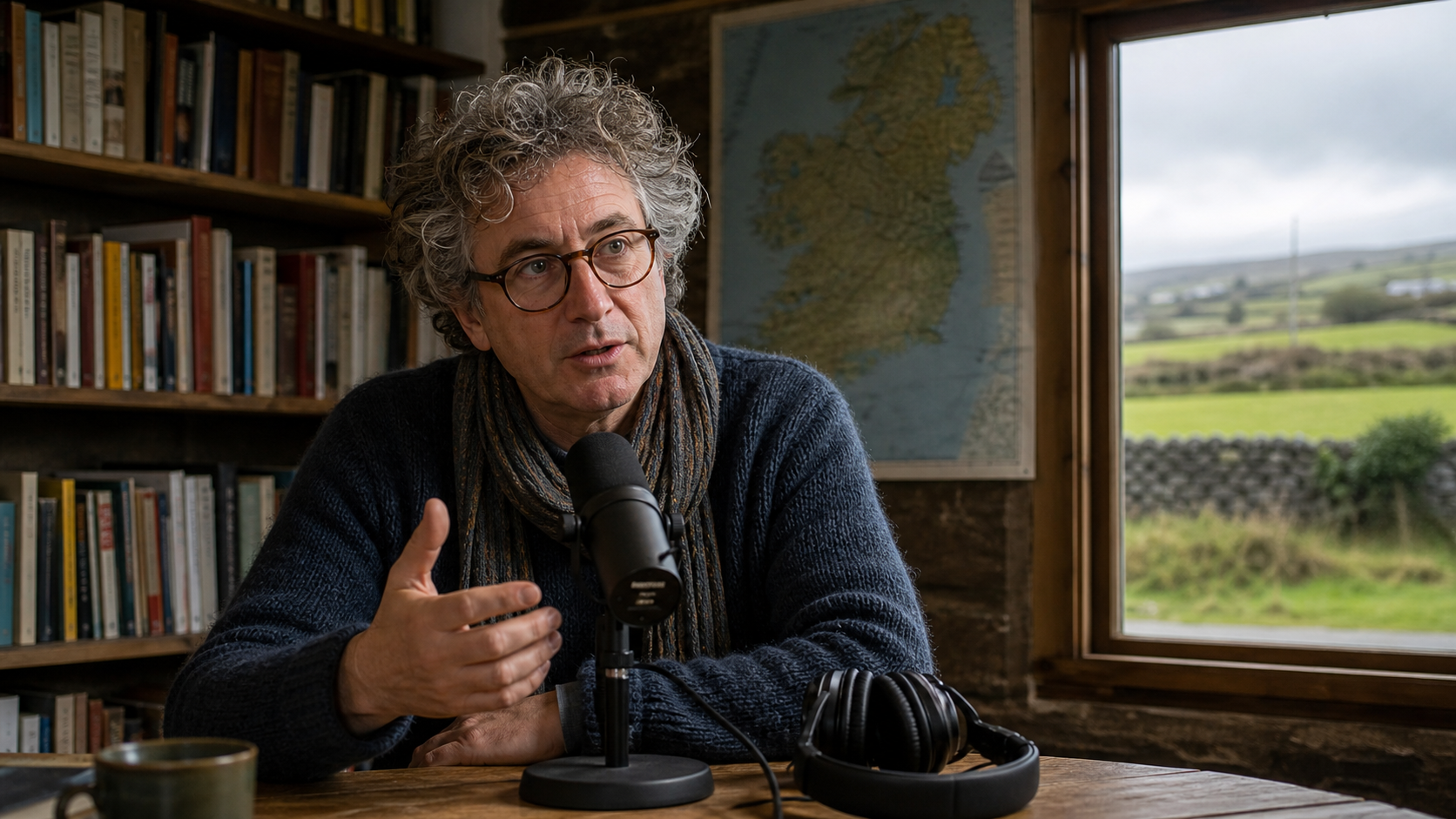
Manchán Magan's Voice Lives On in Posthumous Spoken-Word Album
A spoken-word album by the late Manchán Magan — the writer, broadcaster, and passionate advocate for the Irish language whose death earlier this year left a profound void in Irish cultural life — is to be released posthumously, offering listeners a final encounter with one of the most distinctive and beloved voices in contemporary Irish culture. The album, which features Magan's characteristic blend of storytelling, poetry, and lyrical reflection on the Irish language, landscape, and the inner life of a people, has been described by those involved in its production as a fitting and moving tribute to a man who dedicated his life to keeping the Irish language alive and relevant for a new generation.
Background
Manchán Magan occupied a unique position in Irish cultural life. A fluent Irish speaker who grew up in a family deeply embedded in the Gaeltacht tradition, he became one of the most effective communicators of the Irish language's beauty and relevance to audiences who might otherwise have had little connection to it. His books — including Thirty-Two Words for Field, Arán agus Im, and Tree Dogs, Banshees, Puca — explored the richness of the Irish language's vocabulary and the worldview it encodes, making the case for the language's preservation not through obligation or nostalgia but through genuine wonder at what it contains.
His broadcasting work, which included television documentaries, radio programmes, and a long-running association with RTÉ, brought him to a wide audience that extended well beyond the traditional Irish language community. His ability to communicate complex ideas about language, identity, and belonging in accessible, engaging terms made him a rare figure — an intellectual who was also a popular communicator, a traditionalist who was also a modernist, a man deeply rooted in the Irish past who was also acutely aware of the present.
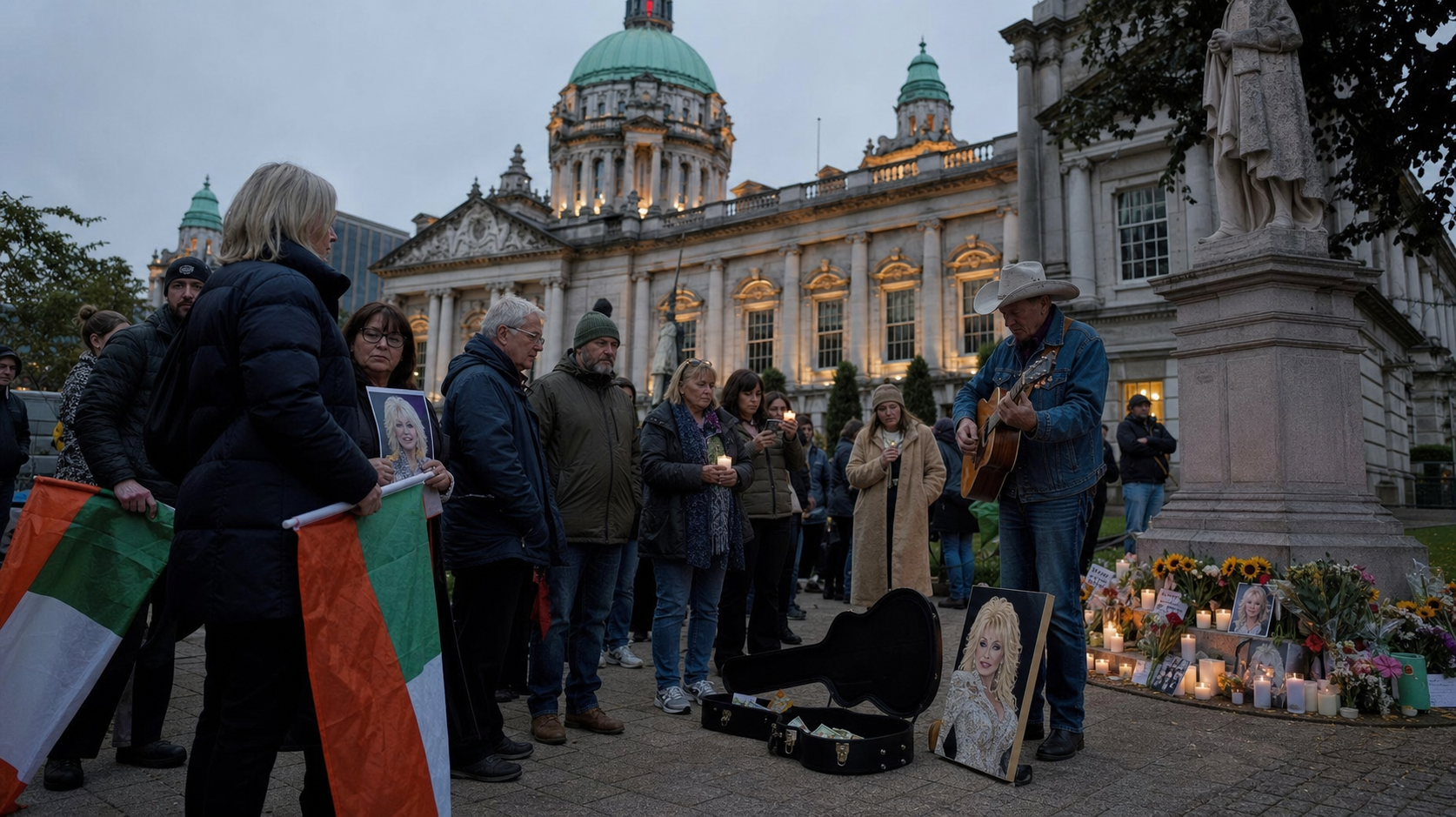
Magan's death prompted an outpouring of tributes from across Irish cultural life, with writers, broadcasters, politicians, and ordinary members of the public all expressing their sense of loss. The tributes reflected not just admiration for his work but genuine affection for the man himself — his warmth, his curiosity, his generosity of spirit, and his infectious enthusiasm for the Irish language and the culture it carries.
Key Developments
The spoken-word album was recorded in the period before Magan's death and represents a deliberate effort on his part to leave a lasting audio record of his voice and his ideas. Those involved in the production have described the recording sessions as deeply moving, with Magan bringing his characteristic combination of precision and passion to the material. The album features original texts written specifically for the project, as well as readings from his published work, and is accompanied by music that reflects the traditional and contemporary influences that shaped his artistic sensibility.
The decision to release the album posthumously was made by Magan's family and his publishers in consultation with the producers, who felt that the material was too significant to remain unreleased. The album is expected to be available through all major streaming platforms as well as in physical format, with a portion of the proceeds going to Irish language organisations that Magan supported during his lifetime.
RTÉ has indicated that it will mark the album's release with a special programme celebrating Magan's life and work, drawing on archive material from his extensive broadcasting career. The programme is expected to air in the autumn, coinciding with the album's release date, which has not yet been formally announced.
Why It Matters
The release of Magan's spoken-word album matters because it preserves and extends the reach of a voice that was genuinely irreplaceable. In a cultural landscape where the Irish language is under constant pressure — from the dominance of English in media, commerce, and everyday life — Magan's ability to make the language feel alive, relevant, and beautiful was a resource of incalculable value. The album will allow new audiences to encounter his work and, through it, to encounter the Irish language in a way that is inviting rather than intimidating.
The album also matters as a document of a particular moment in Irish cultural history. Magan's work was shaped by the specific circumstances of early 21st-century Ireland — a country grappling with rapid change, the legacy of colonialism, and the challenge of maintaining a distinctive cultural identity in a globalised world. His reflections on these themes, delivered in his distinctive voice, will be of interest to future generations seeking to understand what it meant to be Irish in this period.
Local Impact
In the Gaeltacht communities that Magan championed throughout his career — in Connemara, Donegal, Kerry, and the other Irish-speaking areas of the country — the news of the album's release has been received with a mixture of sadness and gratitude. Sadness, because it is a reminder of his absence; gratitude, because it means that his voice will continue to be heard. Irish language organisations including Conradh na Gaeilge and Údarás na Gaeltachta have both expressed their appreciation for the decision to release the material and have indicated that they will support its promotion through their networks.
What's Next
The formal release date for the album is expected to be announced in the coming weeks, with a launch event planned for Dublin and possibly also for a Gaeltacht location. RTÉ's special programme on Magan's life and work is expected to air in October or November, coinciding with the album's release. Irish language bookshops and cultural centres across the country have indicated that they will stock the physical edition of the album and will organise listening events and discussions around its release. The album is expected to be one of the most significant Irish cultural releases of the autumn season.