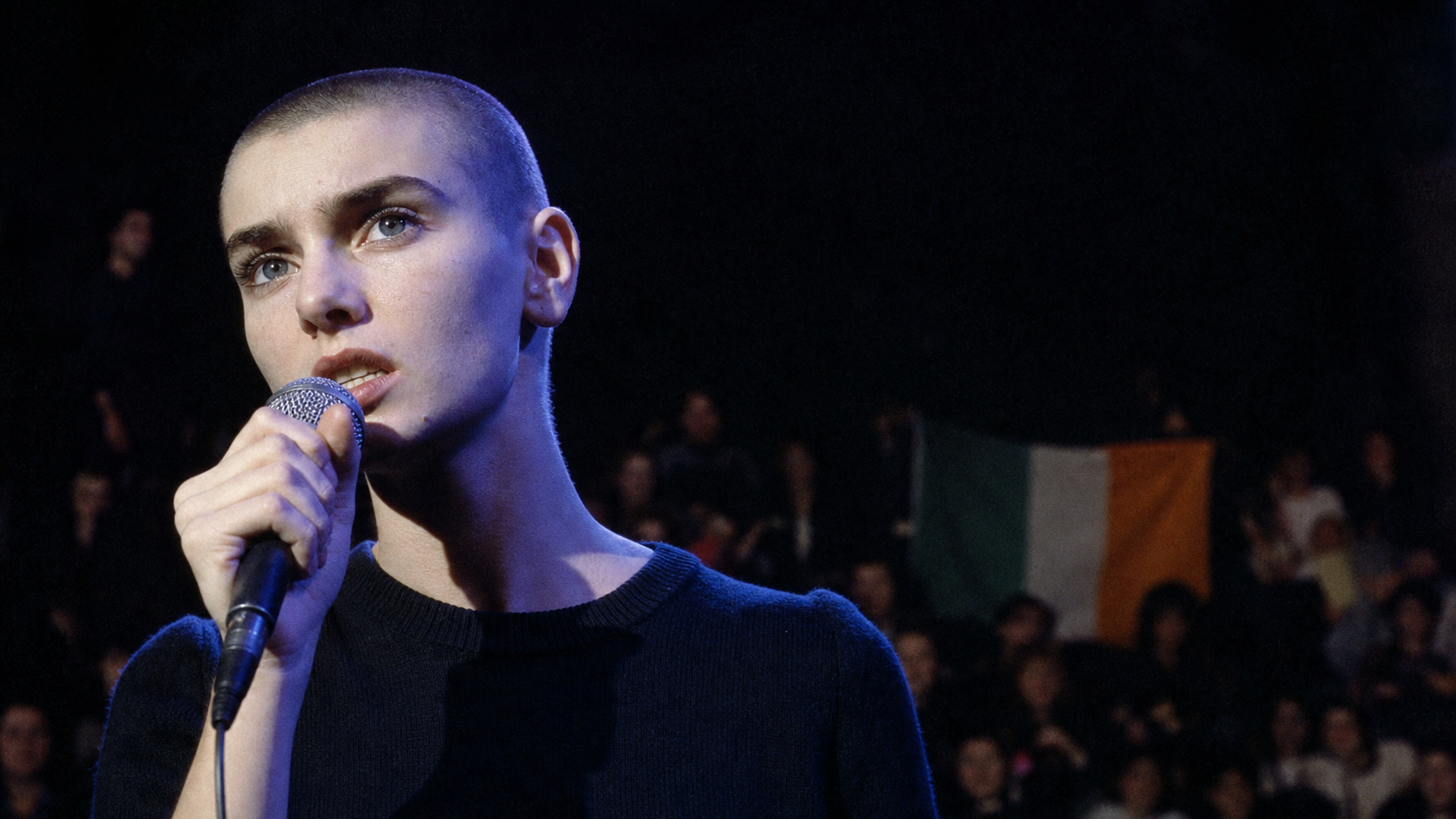
Sinead O'Connor Remembered: New Documentary Explores Legacy of Ireland's Most Defiant Voice
A new documentary exploring the life and legacy of Sinead O'Connor, the Dublin-born singer who died in July 2023 and whose influence on Irish music, culture, and public life continues to grow in the years since her death, is generating significant attention ahead of its Irish broadcast. The film, which features interviews with musicians, writers, and cultural figures who knew her, is being described as the most comprehensive portrait of O'Connor yet committed to screen.
Background
Sinead O'Connor was one of the most significant Irish cultural figures of the twentieth and twenty-first centuries — a singer of extraordinary vocal power, a songwriter of rare emotional depth, and a public figure whose willingness to speak truth to power made her both celebrated and controversial in equal measure. Born in Glenageary, County Dublin, in 1966, she rose to international fame with her 1990 recording of Nothing Compares 2 U, which became one of the best-selling singles of the decade and introduced her to a global audience.
Her subsequent career was marked by a series of artistic triumphs and public controversies that reflected both her extraordinary talent and her refusal to conform to the expectations placed on female pop stars. Her tearing of a photograph of Pope John Paul II on Saturday Night Live in 1992 — a protest against child abuse in the Catholic Church — was one of the most dramatic acts of cultural dissent in the history of popular music, and one that was vindicated by the subsequent revelations about the scale of clerical abuse in Ireland and globally.
O'Connor died in London in July 2023 at the age of 56. The outpouring of grief that followed her death — in Ireland and internationally — reflected the depth of the connection that audiences had formed with her music and with her as a person. In the years since her death, her reputation has continued to grow, with a new generation of listeners discovering her work and with cultural commentators reassessing her place in the canon of Irish and international music.
Key Developments
The documentary, which has been in production for over a year, features interviews with a wide range of figures who knew O'Connor personally and professionally, including musicians who worked with her, writers who covered her career, and friends and family members who offer a more personal perspective on her life. The filmmakers have also had access to archive footage and recordings that have not previously been made public, providing new insights into her creative process and her private life.
Among those who appear in the documentary are several Irish musicians who cite O'Connor as a formative influence, including members of Fontaines D.C. and other acts who have spoken publicly about the debt they owe to her willingness to be uncompromising in her art and in her public statements. The documentary also features commentary from cultural critics and historians who place O'Connor's work in the broader context of Irish cultural history and of the global music industry's treatment of women artists.
The film's Irish broadcast is expected to attract significant viewership, with RTÉ understood to be among the broadcasters in discussions about screening rights. The documentary has already been shown at several international film festivals, where it has received strong reviews and generated considerable discussion about O'Connor's legacy and about the ways in which her story reflects broader questions about gender, power, and artistic freedom.
Why It Matters
Sinead O'Connor's legacy is a complex and contested one, but its importance to Irish cultural life is beyond question. She was one of the first Irish artists to achieve genuine global superstardom, and she used that platform in ways that were often uncomfortable for the Irish establishment but that have been vindicated by history. Her protest against clerical abuse came more than a decade before the Ryan Report and the Murphy Report confirmed the scale of what she was pointing to, and her willingness to speak out at enormous personal cost deserves to be remembered and honoured.
The documentary arrives at a moment when O'Connor's music is reaching a new generation of listeners, partly through streaming platforms and partly through the advocacy of younger Irish artists who cite her as an influence. The NPR World Cafe series currently featuring Irish music in the United States includes archival O'Connor material, reflecting her enduring international significance.
Local Impact
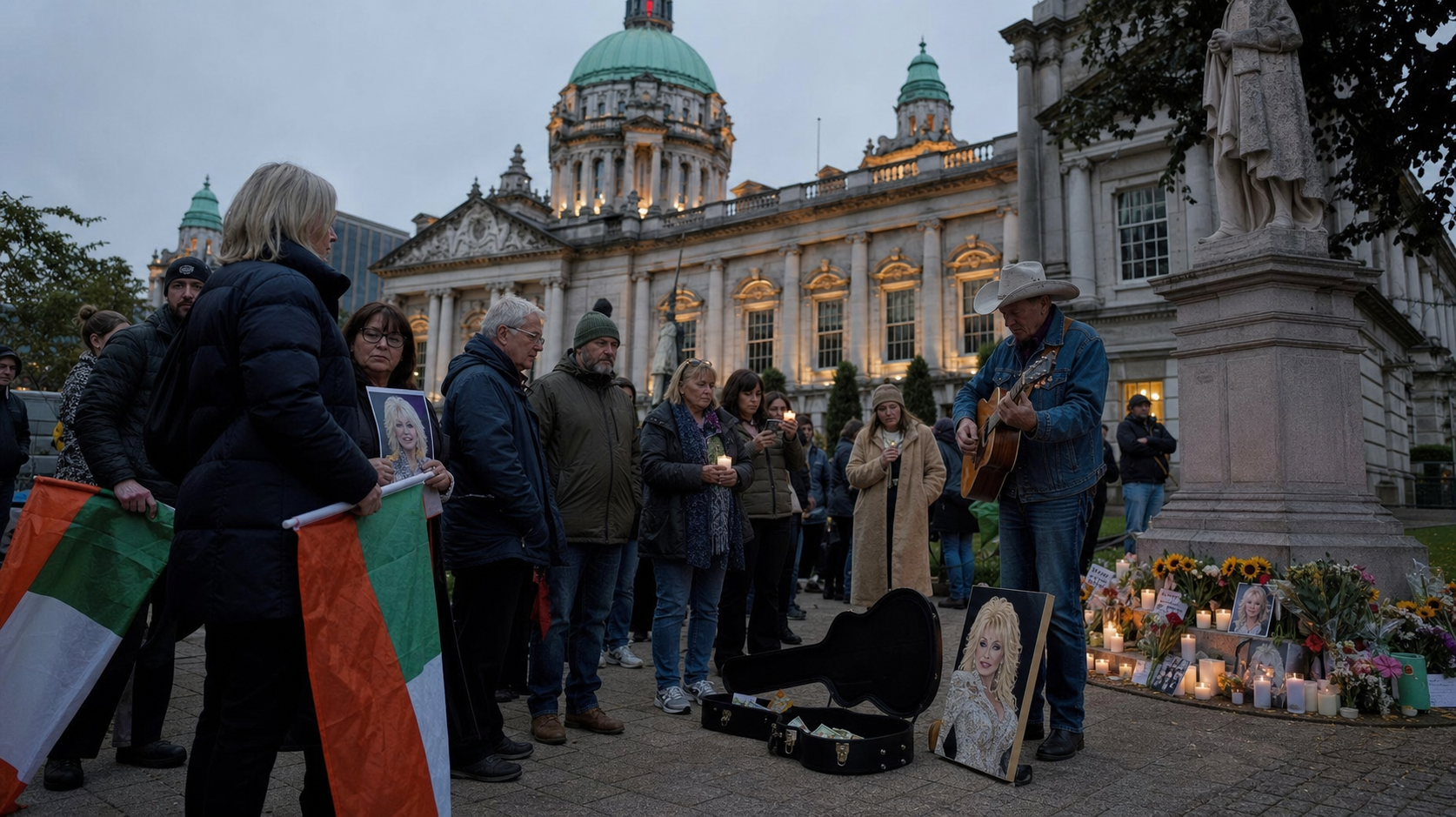
In Dublin, where O'Connor grew up and where she is buried, the documentary has generated significant interest. The Glenageary area of south County Dublin, where she spent part of her childhood, has become a place of informal pilgrimage for fans, and there have been calls for a permanent memorial to her in the city. The Irish Music Rights Organisation has been working to ensure that her estate receives appropriate royalties from the significant increase in streaming of her music since her death, and the documentary is expected to drive further interest in her back catalogue.
What's Next
The documentary's Irish broadcast date has not yet been confirmed, but it is expected to air in the autumn. The filmmakers have indicated that they are also working on a companion book that will expand on the themes explored in the film and provide additional context for O'Connor's life and work. A retrospective exhibition of photographs and memorabilia from her career is also being planned, with a Dublin venue expected to be announced in the coming weeks.