SAG-AFTRA Files Unfair Labor Charge Over Synthetic Darth Vader Voice in Fortnite, Setting Major Precedent
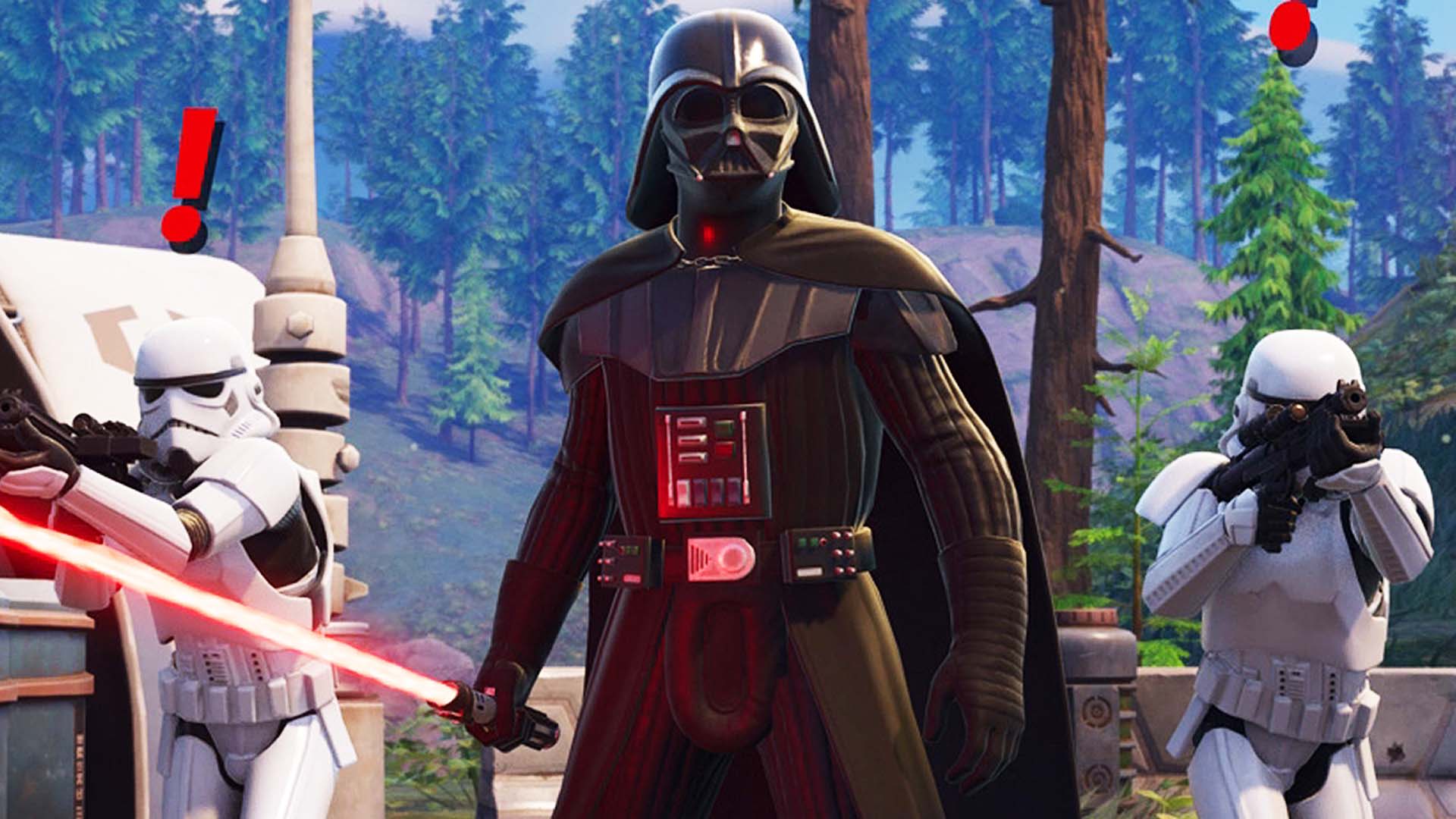
SAG-AFTRA filed an unfair labor practice charge against Llama Productions on April 27, alleging that the company used a synthetically generated voice to portray Darth Vader in the massively popular video game Fortnite without providing the union proper notice or engaging in required collective bargaining. The charge, filed with the National Labor Relations Board, targets one of the most recognizable characters in entertainment history and could establish binding rules for how studios and game developers use voice replication technology going forward.
Background
Darth Vader has been voiced by James Earl Jones since the original Star Wars film in 1977. Jones, who died in September 2024 at age 93, had in his final years granted Lucasfilm and its parent company Disney the rights to use his voice in perpetuity through a licensing agreement with the voice replication company Respeecher. That arrangement allowed Disney to recreate Jones's distinctive bass timbre for new Star Wars content without requiring new recordings.
Fortnite, developed by Epic Games and operated through Llama Productions, has incorporated licensed characters from across popular culture — including Marvel superheroes, Star Wars characters, and sports figures — as part of its ongoing content strategy. The game's Darth Vader character, introduced in a 2022 season, uses a voice that SAG-AFTRA alleges was generated without the union being notified or consulted, in violation of the Interactive Media Agreement that governs voice acting in video games.
Key Developments
SAG-AFTRA's charge alleges two specific violations: first, that Llama Productions failed to provide the required advance notice to the union before using synthetic voice technology; and second, that the company did not engage in good-faith bargaining over the terms and conditions under which the technology would be deployed. The union argues that even when a performer has granted licensing rights to their voice, the production company's obligation to bargain with the union over the use of that technology remains intact.
Llama Productions has not publicly responded to the charge. Epic Games, the parent company, declined to comment. The NLRB will now investigate the charge and determine whether to issue a formal complaint, a process that typically takes several months. If the NLRB finds merit in the charge, the case could proceed to a hearing before an administrative law judge.
The charge comes as SAG-AFTRA is simultaneously negotiating updates to its Interactive Media Agreement with major game publishers, with synthetic voice technology among the most contentious issues on the table. The union struck a deal with several independent game developers in 2024 that included protections against voice replication, but the major publishers have resisted similar terms.
Why Americans Should Care
The video game industry employs thousands of voice actors across the United States, with major recording hubs in Los Angeles, New York, Atlanta, and Chicago. For those performers — many of whom work as freelancers without the job security of long-term contracts — the spread of synthetic voice technology represents an existential threat to their livelihoods. A ruling in SAG-AFTRA's favor would establish that companies cannot simply license a performer's voice and then use it without engaging the union, providing a meaningful floor of protection for working actors.
The case also resonates with the broader American workforce's anxiety about technological displacement. Voice actors are among the first creative workers to face direct competition from synthetic replication of their own performances. The legal and contractual frameworks being established now — in cases like this one — will determine whether performers retain meaningful economic rights over their voices, faces, and likenesses as replication technology becomes cheaper and more accessible.
Why It Matters
The Darth Vader case is the highest-profile test yet of the legal boundaries around synthetic performance in entertainment. The 2023 SAG-AFTRA strike, which shut down Hollywood film and television production for 118 days, was driven in significant part by concerns about studios using digital replicas of performers without consent or compensation. The deal that ended the strike included some protections, but the video game sector — which operates under a separate agreement — was not fully covered.
Internationally, the European Union's AI Act, which took effect in 2024, includes provisions requiring transparency when synthetic voices are used in commercial contexts. The United States has no equivalent federal law, leaving the question to be resolved through labor agreements and NLRB proceedings. The outcome of the Fortnite case will be watched closely by entertainment unions in Canada, the United Kingdom, and Australia, all of which are negotiating similar protections for their members. A favorable ruling for SAG-AFTRA could accelerate the adoption of performer protection standards across the English-speaking entertainment industry.
What's Next
The NLRB investigation is expected to take three to six months. Simultaneously, SAG-AFTRA's negotiations with major game publishers over the Interactive Media Agreement are scheduled to resume in May, with the Fortnite charge adding significant leverage to the union's position. If the NLRB issues a formal complaint, Llama Productions and Epic Games will face the choice of settling with the union or contesting the case through a full administrative hearing — a process that could take years to resolve. The entertainment industry is watching closely, knowing that the precedent set here will shape labor relations in gaming, film, and television for the foreseeable future.
Sources: Kotaku; Tubefilter; TechStartups