RNLI Volunteers Saved 272 Lives Around UK and Ireland Coasts in 2025 in Record Year of Rescues
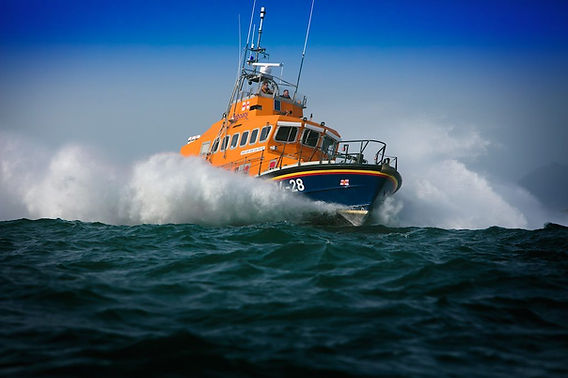
The Royal National Lifeboat Institution (RNLI) has revealed that its volunteer crews saved 272 lives across the UK and Ireland in 2025, a year that saw lifeboats launched over 9,000 times in one of the charity's busiest periods on record. The annual rescue figures, released on Wednesday, paint a vivid picture of the bravery and dedication of the thousands of volunteers who drop everything to answer the call of the sea, often in treacherous conditions.
Background
For over 200 years, the RNLI has been the fourth emergency service for the coasts of the UK and Ireland. A unique charity, it operates independently of the government, relying almost entirely on public donations to fund its lifesaving work. With over 238 lifeboat stations strategically placed around the coastline, the charity's mission is to save lives at sea. Its volunteers come from all walks of life — they are fishermen, teachers, mechanics, and office workers — united by a commitment to their communities and a willingness to face the dangers of the water. The charity also runs extensive water safety campaigns, aiming to prevent incidents before they happen.
The past few years have seen a notable increase in demand for the RNLI's services. The rise of "staycations" has led to more people enjoying the coast, but not all are familiar with the dangers of tides, currents, and changing weather. This has resulted in a growing number of incidents involving paddleboarders, kayakers, and coastal walkers getting into difficulty. At the same time, the charity continues to provide its traditional service to commercial fishermen, sailors, and those on board larger vessels, ensuring a vital safety net for all who use the sea for work or leisure.
Key Developments
The 2025 statistics highlight the sheer scale of the RNLI's operations. The 9,000+ launches represent an average of nearly 25 launches every single day. The 272 lives saved are those individuals who would not have survived without the intervention of the lifeboat crews. The rescues themselves were incredibly varied. The report details incidents ranging from towing large commercial fishing vessels with engine failure back to harbour, to rescuing sailors from yachts dismasted in violent storms. A significant number of call-outs were to people cut off by the tide while walking on the coast, a frequent but easily avoidable danger.
In a statement accompanying the release, the RNLI's Chief Executive praised the "extraordinary commitment of our volunteers." He said, "These figures are not just statistics; they are 272 families who did not have to face the heartbreak of losing a loved one. They are a testament to the courage and skill of our crews, and the generosity of the public who fund their work." The release of the figures, covered by outlets like the Irish Lifeboats website, coincides with the launch of the charity's major annual fundraising campaign, "Mayday," which calls on the public to help fund the vital kit that keeps crews safe. Further information is available from the RNLI's official website.
Why It Matters
The RNLI represents the very best of volunteering and community spirit. In an age that can often feel divided, the sight of a lifeboat heading out into a storm is a powerful symbol of selflessness and human solidarity. The charity unites coastal communities and is a source of immense local and national pride. The fact that this world-class search and rescue service is provided not by the state, but by a charity powered by volunteers, is a remarkable achievement. It demonstrates a civic tradition that is deeply embedded in the maritime heritage of the UK and Ireland. The annual figures are also a crucial reminder of the power of the sea and the importance of water safety. Each rescue is a lesson in how quickly things can go wrong. By publicising their work, the RNLI not only raises funds but also raises awareness. Their safety messages — "Respect the Water," "Float to Live" — are as vital a part of their lifesaving work as the lifeboats themselves. The statistics serve as a powerful call to action for anyone visiting the coast to check tide times, understand the risks, and take sensible precautions.
Local Impact
For every coastal town and village with a lifeboat station, the RNLI is an integral part of the community's identity. The lifeboat station is often a local landmark, and the crew members are local heroes. The annual figures are a source of immense pride for these communities, a validation of the time and effort their friends and neighbours put into training and rescues. The fundraising events, from station open days to local bake sales, are key dates in the community calendar, bringing people together to support a cause that directly protects them and their loved ones. In Northern Ireland, stations at Portrush, Lough Swilly, and Newcastle are among those that serve some of the most challenging coastal waters in the British Isles.
What's Next
The challenge for the RNLI is to maintain its service in the face of rising costs and increasing demand. The charity is constantly innovating, developing new lifeboat technology, and improving crew training and safety equipment. The 2025 figures will be used to drive home the importance of their work during the upcoming fundraising campaigns. The focus will also be on prevention. The RNLI's water safety teams will continue to visit schools, clubs, and community groups, using the data from the 2025 rescues to target their educational efforts and hopefully reduce the number of people who need rescuing in the future. For the volunteer crews, however, nothing changes. They will remain on call, 24/7, ready for the pager to sound.