Restoration of Belfast's Historic Assembly Rooms Begins Ahead of Fleadh Cheoil
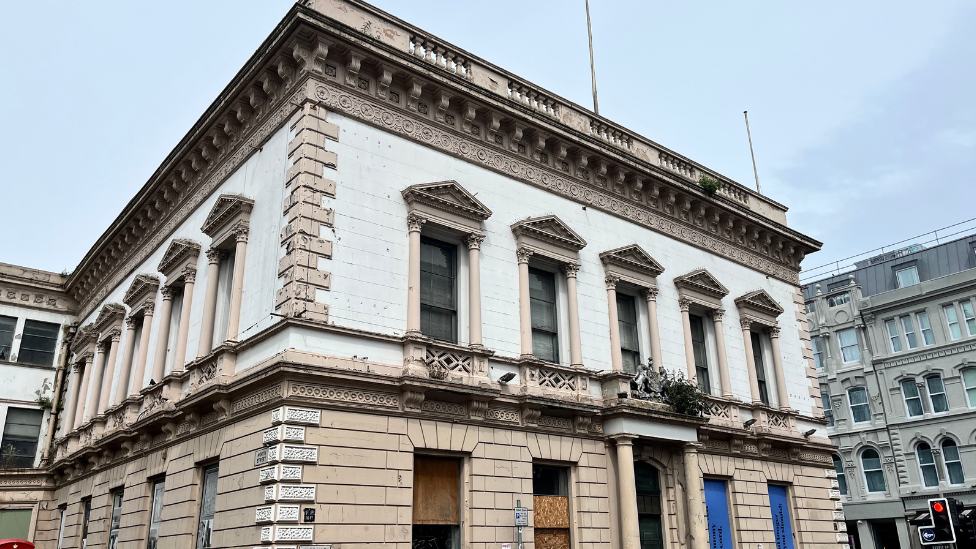
Restoration work has officially commenced on Belfast's historic Assembly Rooms, a Grade B1 listed building dating back to 1769. The preservation project, initiated by Belfast City Council, aims to weatherproof the facade and repaint the landmark building ahead of the city hosting the Fleadh Cheoil na hÉireann in August 2026. The council purchased the iconic building, located on North Street, in September 2025 as part of a wider strategy to preserve and revitalise key heritage sites within the city centre.
A Building Steeped in History
The Assembly Rooms on North Street are one of Belfast's most significant architectural and historical landmarks. Built in 1769, the building served for generations as a central hub for the social, cultural, and political life of the city. In its heyday, it hosted concerts, public meetings, and civic gatherings that shaped the character of Belfast. Over the centuries, it has witnessed the full sweep of the city's history — from the era of the United Irishmen to the industrial revolution, through the Troubles and into the present day.
The building's Grade B1 listed status reflects its exceptional architectural and historical importance. However, like many of Belfast's older buildings, it has suffered from decades of neglect and underinvestment, and its condition had deteriorated significantly before the council's decision to purchase it in September 2025. The acquisition was widely welcomed by heritage groups and cultural organisations, who had long campaigned for the building to be saved and brought back into active use.
The Restoration Project
The current phase of restoration work focuses on weatherproofing the facade and repainting the exterior of the building. This is a critical first step in stabilising the structure and protecting it from further deterioration. The work is being carried out by specialist heritage contractors, using materials and techniques appropriate to the building's age and listed status. The council has committed to ensuring that the restoration is carried out to the highest possible standard, in keeping with the building's architectural significance.
The timing of the restoration is closely linked to Belfast's hosting of the Fleadh Cheoil na hÉireann in August 2026. The Fleadh, the world's largest annual celebration of Irish music, song, and dance, is expected to bring hundreds of thousands of visitors to the city over the course of the festival week. The Assembly Rooms, located in the heart of the city centre, will be a prominent backdrop to many of the festival's events, and the council is determined to ensure it is presented in the best possible condition for this landmark occasion.
Fleadh Cheoil 2026
Belfast's hosting of the Fleadh Cheoil is itself a historic moment. The festival, which has been held annually since 1951, is one of the most important events in the Irish cultural calendar, attracting musicians, dancers, and music lovers from across Ireland and the Irish diaspora worldwide. Belfast's selection as the 2026 host city is a recognition of the city's growing confidence and its vibrant cultural scene, as well as a powerful symbol of the role that Irish traditional music can play in bringing communities together.
The restoration of the Assembly Rooms is part of a broader programme of investment in the city centre ahead of the Fleadh. Belfast City Council has been working to ensure that the city is ready to welcome the expected influx of visitors, with improvements to public spaces, transport infrastructure, and cultural facilities all forming part of the preparations. The Assembly Rooms project is one of the most visible and symbolically significant of these investments.
Regeneration and the Future
Beyond the Fleadh, the restoration of the Assembly Rooms is seen as a catalyst for the wider regeneration of the North Street and Donegall Street area. This part of Belfast city centre has long been identified as having significant potential for cultural and commercial development, but progress has been slow. The council's investment in the Assembly Rooms sends a clear signal of intent — that this area is a priority for regeneration and that the city is committed to protecting and celebrating its architectural heritage.
A spokesperson for the project emphasised the dual significance of the work: "This is about safeguarding our city's history while preparing for its vibrant future. The Assembly Rooms are a jewel in Belfast's crown, and this work will help ensure they shine for the Fleadh and for generations to come." The restoration is expected to be completed in time for the August festival, with longer-term plans for the building's future use to be developed in consultation with the community and cultural organisations.
A Symbol of Renewal
The commencement of restoration work on the Assembly Rooms is, in many ways, a symbol of Belfast's broader renewal. A city that has emerged from decades of conflict and division is now investing in its heritage, celebrating its culture, and preparing to welcome the world. The Fleadh Cheoil will be a moment of joy and celebration, and the restored Assembly Rooms will stand as a fitting backdrop — a reminder that Belfast's history is something to be cherished, not hidden away.