Reform UK's Troubled Year Running Staffordshire Council: Resignations, Racism Allegations and Tax Rises
A damning report on Reform UK's first year at the helm of a Staffordshire council has painted a picture of a party struggling to cope with the realities of governance. The tumultuous period has been characterised by a string of high-profile resignations, damaging allegations of racism, and the politically awkward necessity of raising council tax, directly contradicting the party's low-tax populist rhetoric.
Background
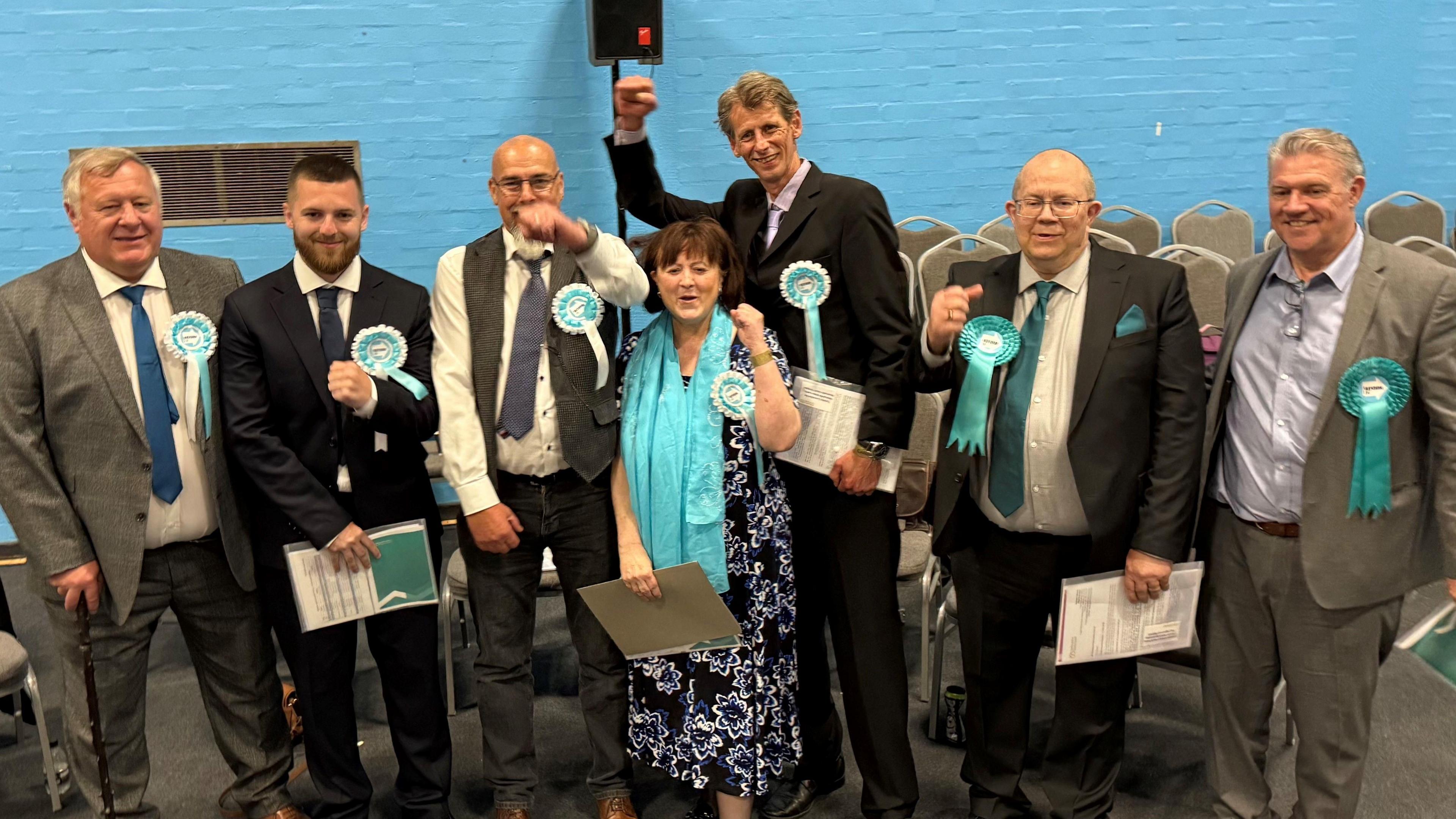
Reform UK, the political vehicle of Nigel Farage, surged in popularity on a wave of anti-establishment sentiment, building on the legacy of the Brexit Party. Its platform has consistently focused on national issues: cutting taxes, slashing immigration, and taking a hard line on what it terms 'woke' culture. The party successfully translated this national discontent into localised victories in parts of England that felt left behind by mainstream politics, culminating in gaining control of several councils, including the one in Staffordshire, in the 2025 local elections. This was seen as a critical test: could a party built on protest effectively manage the day-to-day, often unglamorous, business of local government?
The transition from opposition to administration is a perilous one for any insurgent political force. The complexities of statutory service provision, budget management, and public scrutiny often clash with the simplistic slogans that powered their election campaigns. For Reform UK, the challenge was particularly acute. The party's councillors were often political novices, propelled into office with little experience of the intricate legal and financial frameworks that govern local authorities. The past year in Staffordshire has served as a stark and public illustration of these growing pains.
Key Developments
The report, compiled from local media coverage and council minutes, details a near-constant state of internal crisis. At least four senior Reform UK councillors have resigned from their posts in the past twelve months, with several citing a 'toxic and chaotic' internal atmosphere. One former cabinet member for finance, who quit in January, spoke of 'a complete lack of strategic direction and an unwillingness to listen to professional advice'. This internal strife has been compounded by serious allegations of misconduct. The report highlights an ongoing standards investigation into two councillors over racist remarks allegedly made on a private social media group, a scandal that has generated national headlines and led to calls for their expulsion.
Perhaps most damagingly for a party that built its brand on fiscal conservatism, the Reform-led council was forced to approve a 4.99% council tax increase in its recent budget. The council leader defended the move as a 'pragmatic response to soaring inflation and cuts in central government funding', but the decision was met with fury by opposition councillors and many of the party's own voters. Critics pointed to the hypocrisy of a party that rails against the tax burden nationally while imposing it locally. The report suggests this U-turn was a direct result of poor candidate vetting and a fundamental misunderstanding of council finance, with elected members seemingly unaware of the statutory limitations on their ability to cut spending.
Why It Matters
The Staffordshire saga is a cautionary tale about the gulf between populist rhetoric and the practicalities of power. It suggests that Reform UK's model, heavily reliant on a charismatic national leader and a critique of the existing system, may be ill-suited to the constructive, detailed work of local administration. The party's struggles highlight a critical weakness: a shallow talent pool and an apparent lack of a coherent governance philosophy beyond protest. This case study will be seized upon by opponents as proof that Reform UK is not a serious party of government, but rather a single-issue pressure group that is dangerously out of its depth when handed real responsibility.
The episode raises broader questions for the populist right in Britain. Can it ever successfully transition from a movement of outrage to a credible political force capable of managing public services? The experience in Staffordshire suggests the path is fraught with difficulty. The internal divisions, scandals, and policy failures risk undermining the party's core message and alienating voters who were drawn to its promise of competent, common-sense change. It demonstrates that winning power is one thing, but wielding it effectively is an entirely different and more demanding challenge.
Local Impact
For the residents of the affected Staffordshire district, the political turmoil has had tangible consequences. The constant infighting and councillor resignations have created instability and delayed key decisions on local services, from waste collection to planning applications. The public nature of the racism scandal has damaged community relations and brought unwelcome national attention to the area. Furthermore, the council tax rise, imposed by a party that promised to lower it, has bred a deep sense of cynicism and betrayal among local voters. Trust in the local authority has been significantly eroded, and there is a growing sense that the council is failing to address the pressing needs of the community while it deals with its own internal chaos.
What's Next
Spring 2026: The standards committee investigation into the racism allegations is expected to conclude, with its findings likely to create another political firestorm for the local party.
May 2026: In the upcoming local elections, a number of the council's seats will be contested. This will be the first major electoral test for Reform UK in the district since the extent of its difficulties became clear.
2027 and beyond: The entire council will be up for re-election in a few years. The Conservative and Labour parties are already campaigning heavily in the area, sensing a major opportunity to capitalise on Reform's failures and regain control of a council they believe was lost on a protest vote.
The original story was reported by the Financial Times, with ongoing coverage from local outlets like the Stoke Sentinel.