Record 18,910 US Applications for Irish Citizenship Through Foreign Birth Register as Diaspora Seeks European Anchor
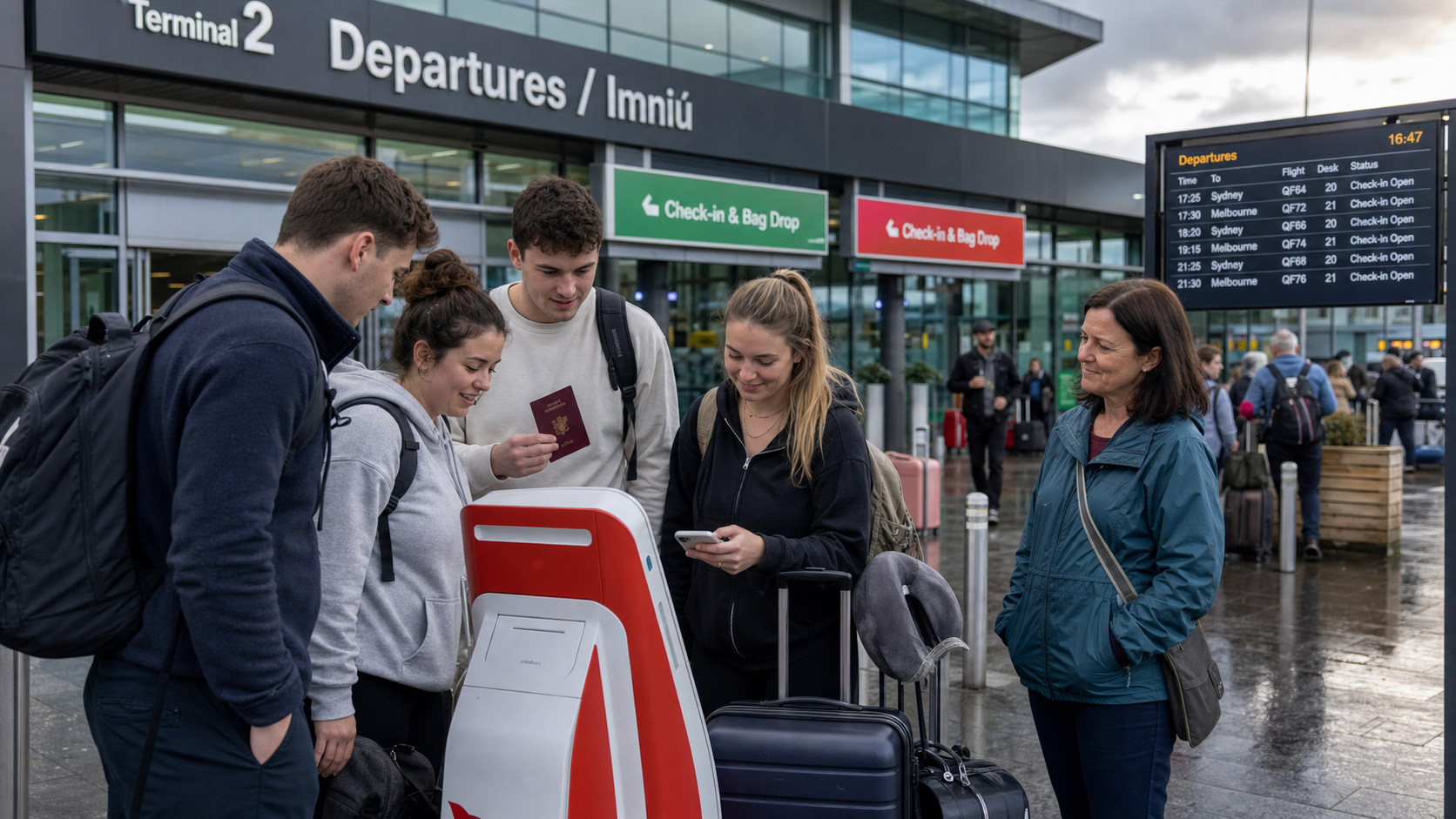
A record 18,910 US citizens applied for Irish citizenship through the Foreign Birth Register in 2025, the highest annual figure ever recorded from a single country, as Americans with Irish heritage seek to formalise their connection to Ireland and secure the European mobility rights that come with an Irish passport — a surge that reflects both the enduring strength of Irish-American identity and the growing anxiety among some Americans about the political direction of the United States under the Trump administration.
Background
The Foreign Birth Register is the mechanism through which people born outside Ireland can claim Irish citizenship on the basis of their Irish ancestry. Under Irish law, a person is entitled to Irish citizenship if they have a grandparent who was born in Ireland — a provision that reflects the scale of Irish emigration over the past two centuries and the government's desire to maintain a connection with the global Irish diaspora. The register is administered by the Department of Foreign Affairs, and applications can be made at Irish embassies and consulates around the world.
The United States has historically been the largest source of Foreign Birth Register applications, reflecting the size of the Irish-American community and the depth of its connection to Ireland. The 18,910 applications recorded in 2025 represent a significant increase on previous years and suggest that the trend toward Irish citizenship among Americans with Irish heritage is accelerating rather than plateauing.
The drivers of this trend are multiple. The Brexit referendum of 2016 triggered an initial surge in applications from British citizens seeking to retain EU citizenship, and a similar dynamic appears to be at work among some Americans who are concerned about the political direction of the United States and who see an Irish passport as a form of insurance — a guarantee of the right to live and work in the European Union if circumstances in America deteriorate.
Key Developments
The 2025 figure of 18,910 US applications represents a record for a single country in a single year and reflects a broader trend that has seen the total number of Foreign Birth Register applications increase significantly over the past decade. The Department of Foreign Affairs has been investing in the processing capacity of the register to manage the increased demand, but waiting times for applications remain significant — in some cases extending to two years or more.
The Irish government's new Diaspora Strategy 2026-2030, published in May 2026, acknowledges the growing interest in Irish citizenship among the diaspora and commits to improving the efficiency of the Foreign Birth Register process. The strategy also recognises the emergence of a "reverse diaspora" — people who have no hereditary link to Ireland but who have developed a deep connection through work, study, or cultural engagement — and explores how the government can engage with this broader community.
A 12-month Task Force has been established to develop proposals for voting rights for Irish citizens abroad in national parliamentary elections, a reform that would give the diaspora a direct voice in Irish democracy. The Task Force's recommendations are expected in 2027, and any legislative changes would require a constitutional amendment.
Why It Matters
The record number of US applications for Irish citizenship matters because it reflects the enduring strength of the Irish-American connection and the practical value that Americans with Irish heritage place on that connection. An Irish passport is not merely a sentimental document — it is a gateway to the European Union, providing the right to live, work, and study in 27 countries. For Americans who are concerned about the political direction of the United States, or who simply want the flexibility that EU citizenship provides, the Irish passport is an attractive option.
The surge in applications also has implications for Irish foreign policy and for the government's approach to the diaspora. A diaspora that is actively seeking to formalise its Irish identity is a diaspora that is engaged and invested in Ireland's future. The government's ability to harness that engagement — through cultural programmes, investment promotion, and political inclusion — will determine whether the record application numbers translate into a lasting deepening of the US-Ireland relationship.
Local Impact
The processing of Foreign Birth Register applications is handled by the Department of Foreign Affairs in Dublin, with Irish embassies and consulates in the United States playing a supporting role. The surge in applications has placed significant pressure on the department's processing capacity, and the government has been investing in additional staff and digital systems to manage the backlog. For Irish-Americans who are waiting for their applications to be processed, the delays can be frustrating, particularly for those who have specific plans — such as moving to Europe — that depend on receiving their Irish passport.
What's Next
The Department of Foreign Affairs is expected to publish updated processing times for Foreign Birth Register applications in the coming months, along with details of the additional resources being deployed to manage the backlog. The Task Force on voting rights for citizens abroad will continue its work through 2026 and into 2027, with its recommendations expected to inform a constitutional referendum on the issue. The Irish government's citizenship ceremonies, scheduled for September 17 and 18 at the Convention Centre in Dublin, will provide an opportunity to celebrate the formalisation of Irish identity for a new cohort of citizens.