PSNI Chief Constable Issues Sincere Apology After Tribunal Finds MI5 and Police Unlawfully Spied on BBC Journalist
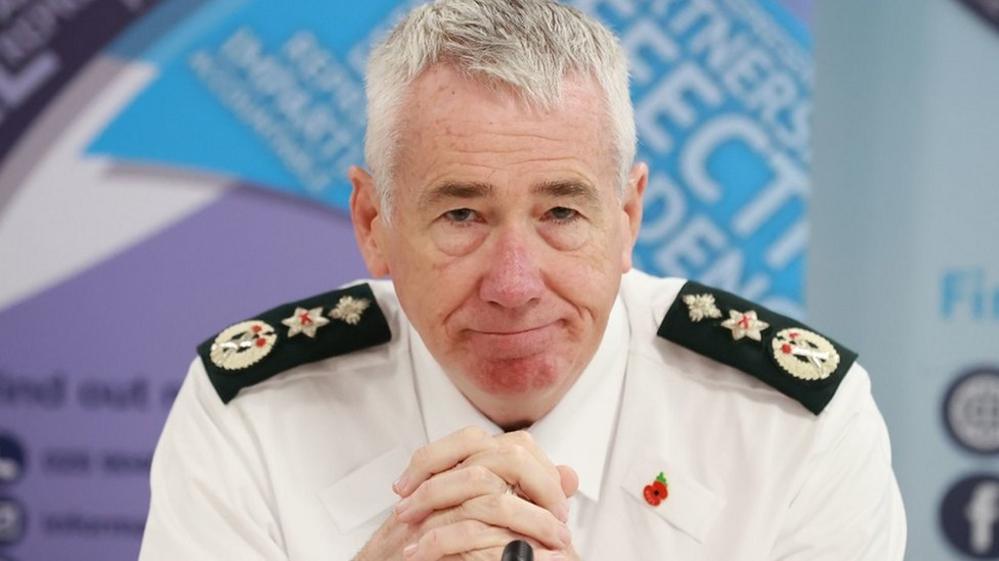
PSNI Chief Constable Jon Boutcher has issued a formal apology after the Investigatory Powers Tribunal ruled on Wednesday that both MI5 and the Police Service of Northern Ireland conducted unlawful and disproportionate surveillance of Vincent Kearney, then a BBC Northern Ireland home affairs correspondent, over a period spanning more than a decade, with each agency ordered to pay £10,000 in damages in a landmark judgment.
Background
Vincent Kearney served as the BBC's Northern Ireland home affairs correspondent for many years before taking up his current role as Northern Editor for RTÉ. During his time at the BBC, he was one of the most prominent journalists covering policing, security, and justice in Northern Ireland — a beat that inevitably brought him into contact with sensitive sources and confidential information. It is precisely this work that appears to have made him a target for surveillance by the agencies whose activities he was reporting on.
The Investigatory Powers Tribunal (IPT) is the judicial body responsible for overseeing the lawfulness of surveillance activities by UK intelligence agencies and law enforcement. Its rulings are rare and carry significant weight. The tribunal, presided over by Lady Carmichael, Mr Justice Chamberlain, and Stephen Shaw KC, heard evidence over an extended period before delivering its judgment on Wednesday, July 23.
The case has its roots in the period between 2006 and 2018, during which both MI5 and the PSNI are alleged to have conducted covert operations targeting Kearney's communications. The stated purpose of these operations was to identify his confidential journalistic sources — a practice that strikes at the heart of press freedom and the public interest journalism that depends upon it.
Key Developments
The tribunal identified seven specific instances in which the agencies breached the law, with the PSNI conducting four operations that included the creation of an intelligence profile containing personal details about Kearney's wife, mother-in-law, children, and vehicle registrations. In one instance, the PSNI accessed data relating to 1,580 calls or texts. The surveillance spanned over a decade, with illegal interferences occurring on multiple occasions between 2009 and 2014.
The tribunal emphasised that the heightened legal protections afforded to journalists are intended to serve the public interest by safeguarding the freedom of the press. Ordering both the PSNI and MI5 to pay £10,000 each in damages, the judgment noted that this marks the first time MI5 has been ordered to pay damages to a journalist — a historic finding that underlines the gravity of the breach.
Chief Constable Jon Boutcher issued a 'sincere apology' to Kearney, stating that the PSNI is committed to learning from these mistakes and noting that 'significant changes to practice and policy' have been implemented since the events occurred. He cited the oversight of the Investigatory Powers Commissioner's Office and the McCullough Report as evidence of enhanced safeguards now in place. Despite the apology, Kearney expressed concern about whether the officers involved in the unlawful surveillance remain in positions of authority within the force.
Why It Matters
The ruling has profound implications for press freedom in Northern Ireland and beyond. Kearney himself argued that it is highly probable other journalists in Northern Ireland were subjected to similar targeting, particularly those involved in public interest journalism covering policing and security. If that is correct, the judgment may open the door to further legal challenges from other journalists who suspect their communications were unlawfully accessed. The case also raises serious questions about the culture within both MI5 and the PSNI during the period in question — a time when Northern Ireland was emerging from the Troubles and the security services were navigating a complex transition. The use of surveillance powers against journalists, rather than criminals or terrorists, represents a fundamental misuse of those powers, and the tribunal's findings demand a thorough accounting.
Local Impact
The judgment has been welcomed by press freedom organisations including the National Union of Journalists, which called for a full independent review of surveillance practices targeting journalists in Northern Ireland. The NUJ's Belfast branch noted that the ruling vindicates concerns that have been raised by journalists working in the region for many years. For the PSNI, the judgment adds to a period of significant institutional scrutiny — the force is already managing the fallout from the data breach of 2023, which exposed the personal details of all serving officers, and the ongoing controversy surrounding its handling of legacy cases. Chief Constable Boutcher, who was appointed specifically to reform the force, will need to demonstrate that the cultural changes he has promised are genuine and lasting.
What's Next
Kearney has indicated that he may pursue further legal action to establish whether other journalists were subjected to similar surveillance. The Investigatory Powers Commissioner's Office is expected to review the tribunal's findings and assess whether additional oversight measures are required. The PSNI has committed to publishing a full account of the policy changes it has implemented since the period of unlawful surveillance, with a report expected before the end of the year.