Private Health Insurance Premiums Set to Rise 3-5% in October Adding to Cost-of-Living Pressure
Health insurance experts are predicting another round of price hikes for private health insurance customers, with premiums expected to rise by a further 3% to 5% in October 2026. This follows a series of increases over the past year, adding to the financial pressure on hundreds of thousands of households already grappling with the wider cost-of-living crisis. Insurers have attributed the need for higher premiums to rising costs in private hospital claims, general medical inflation, and an increase in the number of claims being made by members.
The Predicted Increases
The predicted premium increases of 3% to 5% in October 2026 follow a pattern of consistent price rises that has seen the cost of private health insurance increase significantly over the past several years. For a family with a comprehensive health insurance plan, a 5% increase could add several hundred euro to the annual cost of their cover, a significant additional burden at a time when household budgets are already under pressure from rising food, energy, and housing costs.
The increases are being driven by a combination of factors. Private hospital costs have risen sharply in recent years, driven by increases in staff costs, medical supplies, and the cost of maintaining and upgrading facilities. Medical inflation — the rate at which the cost of healthcare services increases — has consistently outpaced general inflation, and this trend shows no sign of reversing. At the same time, the number of claims being made by insured members has increased, reflecting both an ageing population and a growing awareness of the benefits of private healthcare.
Reducing Benefits
Consumers are being warned that they are facing a double-edged sword of paying more for less comprehensive coverage. Analysis by health insurance experts has shown that some insurance plans have significantly increased the patient shortfall — the portion of a hospital bill not covered by insurance — for certain procedures. In some cases, shortfalls that were previously zero have jumped to as much as 40%, meaning that even with private insurance, patients could face substantial out-of-pocket expenses for hospital treatments.
Dermot Goode, a leading health insurance analyst, has been particularly vocal in warning consumers about this trend. "The market is becoming increasingly difficult for consumers to navigate," he said. "Insurers are increasing prices while simultaneously reducing benefits on certain plans. It is absolutely critical that customers review their policy before their renewal date to ensure they are not caught out by unexpected shortfalls and are on the best-value plan for their needs."
The Broader Context
The ongoing increases in private health insurance premiums are fuelling a wider debate about the sustainability of Ireland's two-tier health system and the value for money provided by private insurers. Ireland has one of the highest rates of private health insurance coverage in Europe, with approximately 2.3 million people — nearly half the population — holding some form of private health insurance. This high level of coverage reflects both the perceived inadequacies of the public health system and the cultural expectation that private insurance is a necessary part of managing one's healthcare needs.
However, the combination of rising premiums and reducing benefits is leading some consumers to question whether private health insurance continues to represent good value for money. A growing number of people are choosing to downgrade their cover to cheaper plans with less comprehensive benefits, while others are cancelling their insurance altogether and relying on the public health system. This trend, if it continues, could have significant implications for the private hospital sector and for the overall balance of the Irish health system.
Government Response
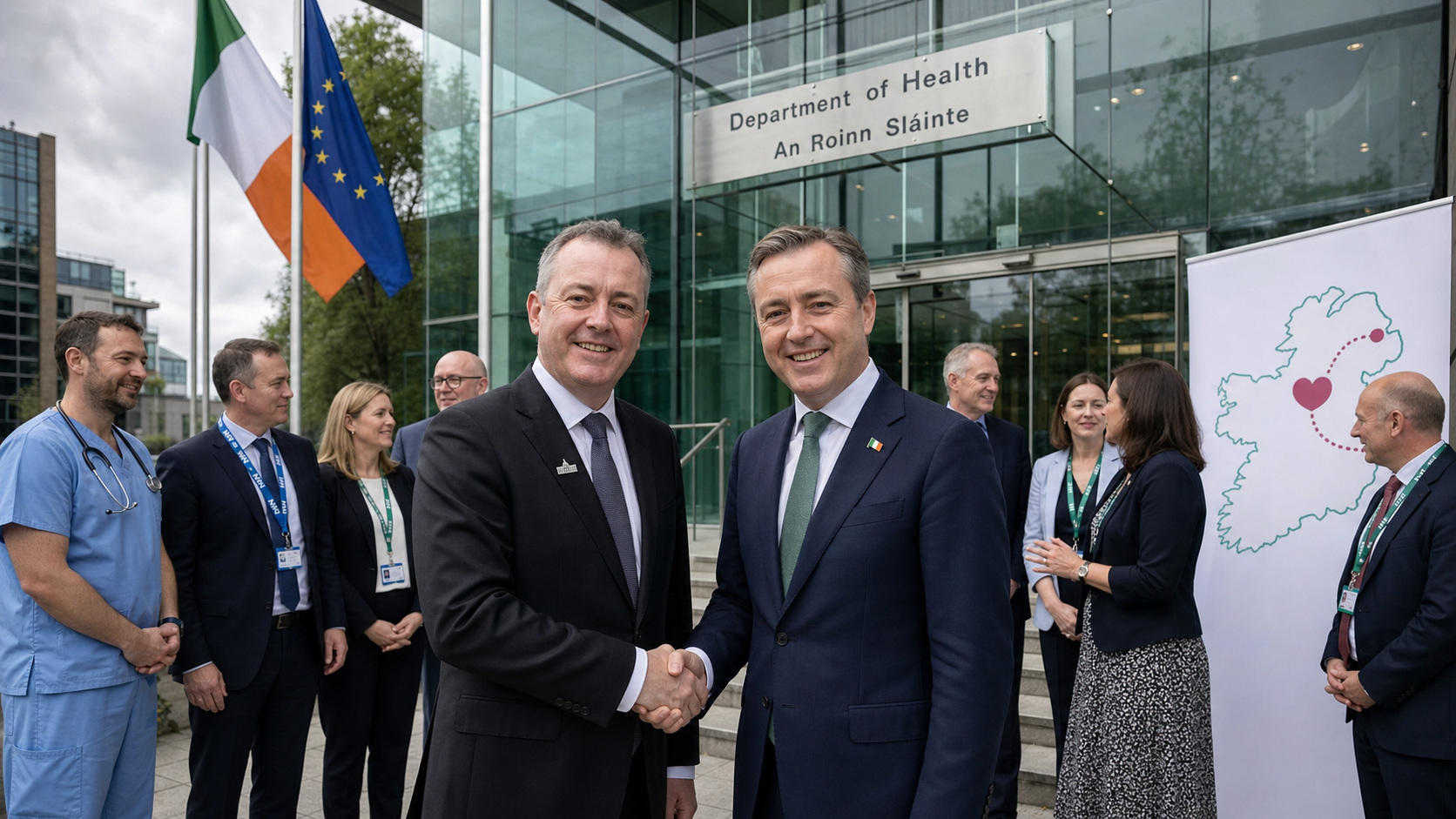
The government has indicated that it is monitoring the situation in the private health insurance market closely. The Health Insurance Authority, which regulates the market, has been asked to review the adequacy of its oversight powers and to consider whether additional consumer protections are needed. The Minister for Health has also indicated that the government is committed to improving the public health system to reduce the pressure on individuals to take out private insurance.
However, critics have argued that the government's response has been insufficient given the scale of the problem. They have called for stronger regulation of the private health insurance market, including limits on the rate at which premiums can increase and requirements for greater transparency about the benefits and shortfalls associated with different plans. They have also called for a fundamental review of the relationship between the public and private health systems, arguing that the current two-tier model is neither fair nor sustainable.
Advice for Consumers
Health insurance experts are urging consumers to take a proactive approach to managing their health insurance costs. Key recommendations include reviewing your current plan before your renewal date to ensure it still meets your needs and represents good value; comparing plans across all providers using the Health Insurance Authority's online comparison tool; considering whether a lower-cost plan with a higher excess might be more cost-effective for your circumstances; and checking whether your employer offers group health insurance, which is typically cheaper than individual plans.
The message from experts is clear: in a market where premiums are rising and benefits are being reduced, consumers who do not actively manage their health insurance are likely to end up paying more for less. Taking the time to review and compare plans could save hundreds of euro per year and ensure that you have the coverage you need when you need it.