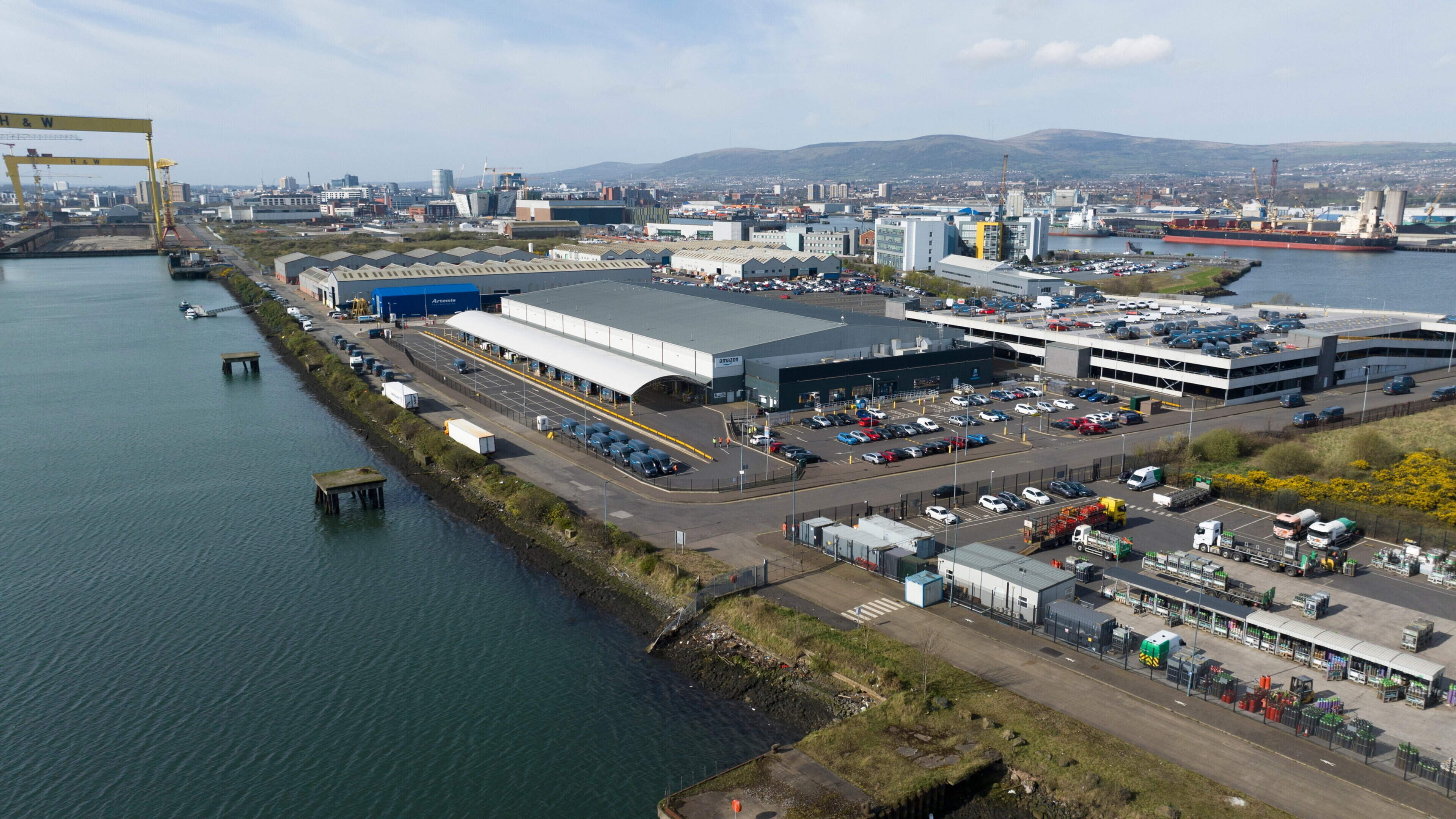
Port of Cork and Belfast Harbour Deepen Offshore Wind Partnership as Cork Targets ORE-Ready Status by Year End
The Port of Cork is on track to achieve offshore renewable energy-ready status by the end of 2026, as the landmark 10-year partnership between Cork and Belfast Harbour — signed in March of this year — begins to take operational shape, positioning the island of Ireland's two largest ports as complementary hubs for the offshore wind supply chain at a moment when Ireland's offshore energy ambitions are accelerating rapidly in response to volatile fossil fuel prices and the imperative of energy security.
Background
Ireland's offshore wind sector has been transformed in recent years by a combination of government policy, technological development, and the urgent need to reduce dependence on imported fossil fuels. The success of the Tonn Nua auction and the progress of Phase One offshore wind projects off the east coast have demonstrated that Ireland has the resource, the regulatory framework, and the commercial appetite to become a significant offshore wind producer. The challenge now is to develop the port infrastructure required to support the construction, installation, and maintenance of offshore wind farms at scale.
The Port of Cork has identified offshore renewable energy logistics as a strategic priority in its 2026-2030 Corporate Strategy, investing in the infrastructure and capabilities required to serve the supply chain needs of the offshore wind sector. The port's redevelopment programme, which is on track to deliver ORE-ready status by the end of 2026, includes the construction of heavy-lift quays, the expansion of laydown areas, and the installation of shore power facilities that will allow vessels to connect to the electricity grid rather than running their engines while in port.
The partnership with Belfast Harbour, formalised through a 10-year Memorandum of Understanding signed in March 2026, is designed to leverage the complementary strengths of the two ports. Belfast Harbour has significant experience in the offshore energy sector, having served as a base for several major offshore wind projects in the Irish Sea, while the Port of Cork brings its strategic location on the south coast and its proximity to the Atlantic wind resource.
Key Developments
The Port of Cork's ORE-ready programme is progressing on schedule, with government reports from May 2026 confirming that the redevelopment is on track for completion by the end of the year. The programme is supported by the Irish government's Offshore Wind Delivery Taskforce, which coordinates across 16 state departments and agencies to ensure that the regulatory, infrastructure, and skills requirements for offshore wind development are met in a timely and coordinated manner.
The Belfast Harbour partnership focuses on three key areas: developing port infrastructure to position both Cork and Belfast as critical hubs for wind farm projects in the Irish Sea; identifying and securing joint funding for capital projects, including clean shore power solutions; and aligning skills and training initiatives to support the maritime economy. The collaboration is particularly significant because it represents a cross-border, all-island approach to offshore wind infrastructure — a model that reflects the shared interest of both jurisdictions in developing the offshore wind resource of the Irish Sea.
The Port of Cork has also warned of a funding gap in energy infrastructure, highlighting its role as the only port in the state currently equipped for offshore wind development and calling for additional government investment to ensure that the port can meet the scale of demand that is anticipated as the offshore wind sector grows.
Why It Matters
The offshore wind sector has the potential to transform Ireland's energy landscape, reducing dependence on imported fossil fuels, creating thousands of jobs in port communities and the wider supply chain, and generating export revenue from the sale of green electricity to the UK and continental Europe. The Port of Cork and Belfast Harbour partnership is a concrete expression of the all-island economic cooperation that is increasingly recognised as essential to maximising the benefits of the offshore wind resource.
The timing is also significant. The energy price crisis of 2026 — with Bord Gáis, Energia, and Share Energy all announcing significant price increases — has underscored the vulnerability of Irish households and businesses to wholesale fossil fuel market movements. Offshore wind, once developed at scale, provides a domestic energy source that is insulated from those market movements and that can provide long-term price stability for consumers.
Local Impact
In Cork, the development of the port's offshore wind capabilities will create employment in the port itself and in the wider supply chain — manufacturing, logistics, engineering, and maintenance services. The port's location in Cork Harbour, one of the largest natural harbours in the world, gives it significant advantages as a base for offshore wind operations. In Belfast, the harbour's existing experience in the offshore energy sector positions it well to benefit from the growth of the Irish Sea wind market. The cross-border partnership also has the potential to attract international investment to both ports, as global offshore wind developers seek to establish supply chain bases in Ireland.
What's Next
The Port of Cork expects to achieve ORE-ready status by the end of 2026, with the first offshore wind projects expected to use the port's facilities in 2027 and 2028. The Belfast Harbour partnership will continue to develop through joint working groups on infrastructure, funding, and skills. The Offshore Wind Delivery Taskforce will publish its next progress report in the autumn, providing an update on the overall state of Ireland's offshore wind readiness.