Pogačar Extends Tour de France Lead as Irish Cycling Fans Follow Gripping 2026 Edition
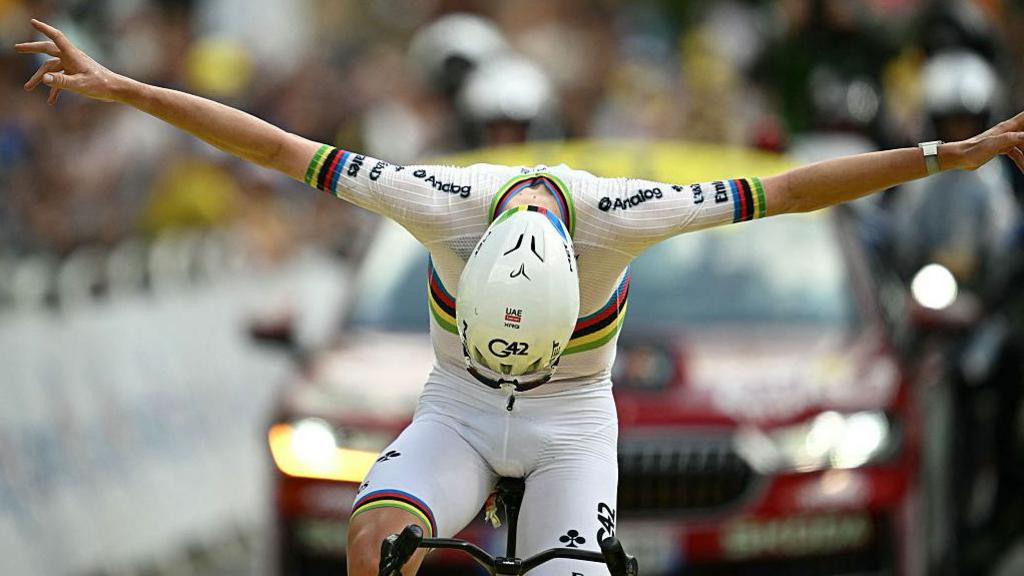
Tadej Pogačar has extended his lead in the general classification of the 2026 Tour de France, with the Slovenian champion maintaining his commanding position following a stage victory on Bastille Day that underlined his dominance of the race. RTÉ confirmed on July 15 that Pogačar continues to lead the race comfortably as the peloton moves through the middle stages of the three-week event, with his performance generating strong interest and admiration among Irish cycling fans who follow the Tour with considerable passion and expertise.
Background
The Tour de France, the world's most prestigious cycling race, has been a fixture of the Irish sporting summer for decades. Ireland's cycling tradition, which stretches back to the pioneering days of Seán Kelly and Stephen Roche in the 1980s, has created a deep and knowledgeable cycling culture in the country, and the Tour de France is followed with an intensity that rivals any other sporting event on the Irish calendar.
Tadej Pogačar, the Slovenian champion who rides for UAE Team Emirates, has established himself as the dominant force in professional cycling over the past several years. His combination of climbing ability, time trial strength, and tactical intelligence has made him virtually unbeatable in the major stage races, and his performances in the 2026 Tour de France have continued that pattern of dominance. His stage victory on Bastille Day — July 14 — was a particularly significant moment, as the French national holiday traditionally produces some of the most dramatic racing of the entire Tour.
The 2026 Tour de France has been described by commentators and cycling experts as one of the most exciting editions in recent years, with a challenging route that has produced dramatic racing across multiple stages. The race has visited some of the most iconic climbs in cycling, and the competition for stage victories and the overall classification has been fierce throughout.
Key Developments
RTÉ's coverage of the Tour de France on July 15 confirmed that Pogačar had extended his lead in the general classification following his Bastille Day stage victory. The win, which came on stage 10 of the race, was a demonstration of Pogačar's ability to perform at the highest level on the most significant occasions, and it reinforced his position as the overwhelming favourite to win the overall title.
The Irish Independent had previously reported on Pogačar's stage six victory to the Tourmalet, one of the most iconic climbs in cycling, which had seen him reclaim the yellow jersey after a period of tactical racing in the opening stages. His performance on the Tourmalet was a reminder of his exceptional climbing ability and his capacity to attack at the most demanding moments of a race.
Other stage victories in the 2026 Tour have been shared among a number of prominent riders, including Jasper Merlier and Mathieu van der Poel, who have won sprint and breakaway stages respectively. The competition for stage victories has been intense, with a number of teams and riders competing aggressively for the daily honours even as Pogačar's overall lead has grown.
Why It Matters
The Tour de France matters to Irish sports fans because cycling has a special place in the country's sporting culture. The achievements of Kelly and Roche in the 1980s — Kelly winning the points classification multiple times and Roche winning the Tour, Giro, and World Championship in the same year — created a generation of Irish cycling fans who have passed their passion for the sport on to their children and grandchildren.
While there are no Irish riders at the forefront of the 2026 Tour's general classification battle, the race is followed with intense interest by Irish fans who appreciate the sport's unique combination of physical endurance, tactical intelligence, and dramatic scenery. The Tour's three-week duration, its passage through some of Europe's most beautiful landscapes, and the daily drama of stage racing make it one of the most compelling sporting events in the world.
Pogačar's dominance of the race is also a source of admiration for Irish cycling fans, who appreciate exceptional sporting talent regardless of nationality. His performances in the 2026 Tour have been of the highest quality, and his stage victory on Bastille Day was a moment of genuine sporting brilliance that transcended national boundaries.
Local Impact
Across Ireland, the Tour de France is followed through RTÉ's television coverage, which provides comprehensive daily highlights and analysis of the race. The broadcaster's cycling coverage has a dedicated and loyal audience, and the Tour's middle stages — when the race moves into the mountains and the general classification battle intensifies — typically attract some of the highest viewing figures of the cycling season.
Irish cycling clubs, which have a strong presence across the country from Dublin to Cork and from Galway to Belfast, follow the Tour with particular interest, using the race as a source of inspiration and discussion for their own training and racing activities. The Tour's influence on Irish cycling culture extends from the elite level to the grassroots, with club cyclists across the country inspired by the performances of the world's best riders.
The cycling community in Ireland has also been growing in recent years, with increased participation in both road cycling and mountain biking. The Tour de France's annual prominence in the sporting calendar is one of the factors that drives this growth, attracting new participants to the sport and maintaining the enthusiasm of existing cyclists.
What's Next
The 2026 Tour de France will continue through the coming weeks, with the race moving through the Alps and the Pyrenees before the traditional final stage into Paris. Pogačar's lead in the general classification makes him the strong favourite to win the overall title, but the mountain stages ahead will provide opportunities for his rivals to attack and potentially reduce his advantage.
RTÉ will continue its comprehensive coverage of the Tour, with daily highlights and analysis available on television and online. The broadcaster's cycling team, which includes experienced commentators and former professional cyclists, provides Irish fans with expert insight into the tactical and physical demands of the race.
For Irish cycling fans, the remainder of the Tour will be followed with the same intensity and passion that has characterised the sport's following in Ireland for decades. The prospect of a dramatic final week, with the mountain stages providing the ultimate test of the riders' strength and endurance, ensures that the Tour will remain a major topic of conversation in Irish sporting circles until the final stage in Paris.