Other Voices Returns to Derry for First Time in Over a Decade, Bringing 24,000 Visitors and £1.5m Economic Boost
Other Voices, one of Ireland's most celebrated music and arts festivals, has returned to Derry for the first time in over a decade, with the 2026 edition running across September 25 and 26 at a series of historic venues across the city. The festival, which marks the beginning of a three-year commitment to Derry, is projected to generate approximately £1.5 million for the local economy and attract around 24,000 visitors, in what organisers and local politicians have described as a transformative moment for the city's cultural identity.
Background
Other Voices was founded in 2002 in Dingle, County Kerry, by Philip King and Nuala O'Connor, and has grown from an intimate gathering of musicians in a small church into one of the most distinctive music events in Europe. The festival's signature format — intimate, livestreamed performances in atmospheric venues, broadcast globally via the Other Voices YouTube channel — has made it a platform for emerging and established artists alike, with past performers including Hozier, Villagers, Lisa Hannigan, and international acts drawn by the festival's reputation for authenticity and intimacy.
Derry hosted Other Voices previously, but the festival's return in 2026 carries particular significance. The city has been working to rebuild its cultural infrastructure since its year as UK City of Culture in 2013, an experience that demonstrated the transformative potential of arts investment but also exposed the fragility of cultural funding in a city that continues to face significant socioeconomic challenges. The three-year commitment secured by the festival represents a sustained investment in Derry's cultural life rather than a one-off event, and organisers have been explicit about their ambition to firmly re-establish the city as a key location on the cultural map of Ireland and Europe.
The 2026 festival is supported by Tourism NI's International Tourism Events Fund, reflecting the recognition that cultural events of this scale generate economic returns that extend well beyond ticket sales. The projected £1.5 million economic impact encompasses spending by visitors on accommodation, food, transport, and retail across the city and the wider north-west region.
Key Developments
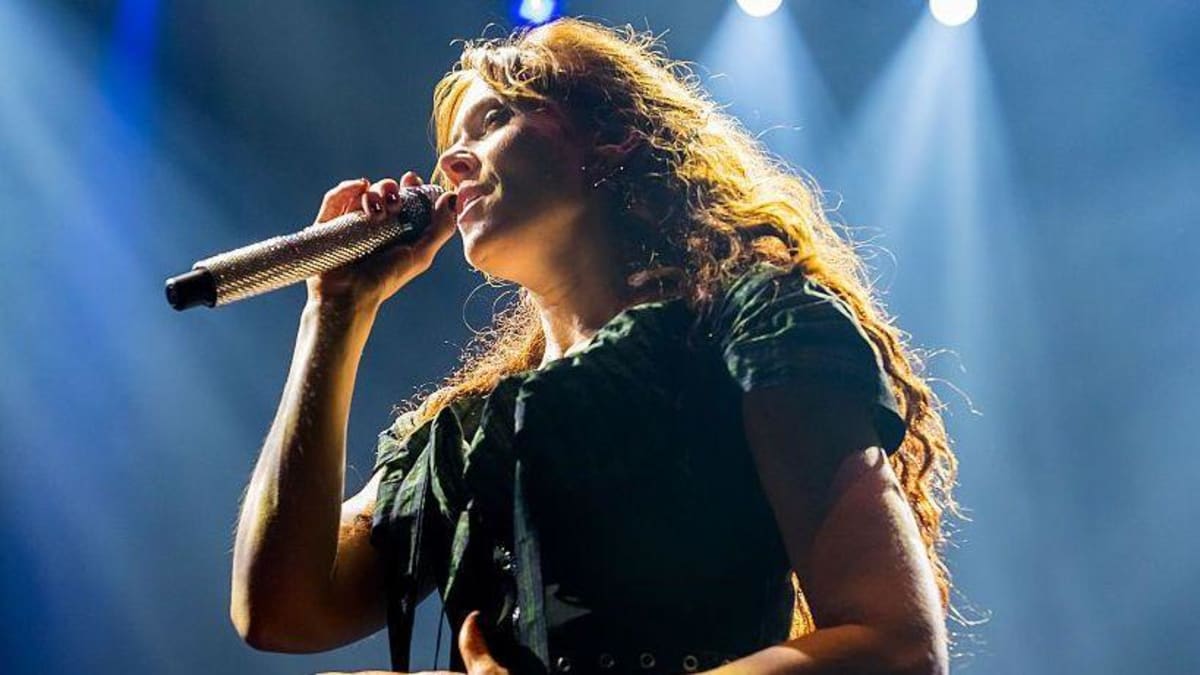
The festival opened on Thursday, September 24, with a special performance by Martin Hayes and Brian Donnellan at The Guildhall, one of Derry's most iconic civic buildings. The main programme at St Columb's Hall — a venue whose history spans the city's most turbulent decades — features intimate, livestreamed performances by Kate Nash, Muireann Bradley, Bleech 9:3, Westside Cowboy, Brògeal, The Marra, Debbie, and Basht, all broadcast globally via the Other Voices YouTube channel.
The Music Trail, featuring nearly 50 performances across the city's bars, cafés, and public spaces, showcases both established and emerging talent, with acts including CHALK, THEATRE, Curtisy, Declan McLaughlin, Esmeralda Road, Gabriel Paschal Blake, Negro Impacto, Our Krypton Son, Salmon Cat, and State of Grace. The trail is designed to animate the entire city rather than concentrate activity in a single venue, spreading the economic and cultural benefits across different neighbourhoods.
A new strand, Soundings, makes its Derry debut at The Playhouse on September 26, featuring panels and conversations on art, culture, and society involving writers, thinkers, and community leaders. Festival founder Philip King described the event as "an antidote to a digital world," emphasising the importance of real, human, and communal experiences at a time when so much cultural consumption has migrated online. "There is something irreplaceable about being in a room with music," King said. "Derry understands that."
Why It Matters
The return of Other Voices to Derry is significant not merely as a cultural event but as a statement about the city's trajectory. Derry remains one of the most economically deprived cities in these islands, with unemployment rates consistently above the Northern Ireland average and a persistent brain drain of young people to Belfast, Dublin, and further afield. Cultural investment of this kind does not solve structural economic problems, but it does something equally important: it signals that the city is a place worth investing in, worth visiting, and worth staying in.
The comparison with Dingle is instructive. Other Voices transformed the Kerry town into a destination that attracts visitors from across the world, generating economic activity that extends far beyond the festival weekend itself. Derry's ambition is to replicate that effect over the three-year cycle, building a reputation that outlasts any individual event. The city's tourism infrastructure — hotels, restaurants, guided tours — has grown considerably since 2013, and the festival provides a platform to showcase that development to a global audience via the Other Voices livestream.
For the music industry, the festival's return to Derry also matters because it provides a platform for north-west artists who might otherwise struggle to access the networks and audiences concentrated in Belfast and Dublin. Muireann Bradley, the Derry-born guitarist who has built an international following through social media, is among the local artists performing at St Columb's Hall, and her inclusion reflects the festival's commitment to showcasing talent rooted in the communities it visits.
Local Impact
The economic impact of the festival is being felt across the city centre and the Bogside, with hotels reporting strong occupancy rates for the festival weekend and restaurants and bars in the Waterloo Street and Shipquay Street areas seeing significant increases in footfall. The Guildhall Square, which serves as a hub for the Music Trail, has been transformed into a festival space, with temporary stages and food stalls creating an atmosphere that local traders have welcomed. Translink has laid on additional bus services from Belfast and Letterkenny to accommodate visitors travelling without cars, and the Foyle Ferry has extended its operating hours for the festival weekend. The Derry City and Strabane District Council has described the festival as one of the most significant cultural events to take place in the city since the 2013 City of Culture year.
What's Next
The 2026 Other Voices Derry festival concludes on Saturday, September 26, with the Soundings forum at The Playhouse and a closing concert at St Columb's Hall. Organisers will publish a full economic impact assessment in November, which will inform the planning of the 2027 and 2028 editions. The three-year commitment means that Derry can now plan its cultural calendar with a degree of certainty that has been absent in recent years, and the festival team has indicated that it intends to deepen its engagement with local schools, community groups, and emerging artists over the course of the cycle. Tourism NI will review the International Tourism Events Fund allocation for the 2027 edition in early 2027.