Northern Ireland Mourns Gerry Kelly: Tributes Pour In for Broadcaster Who Defined a Generation
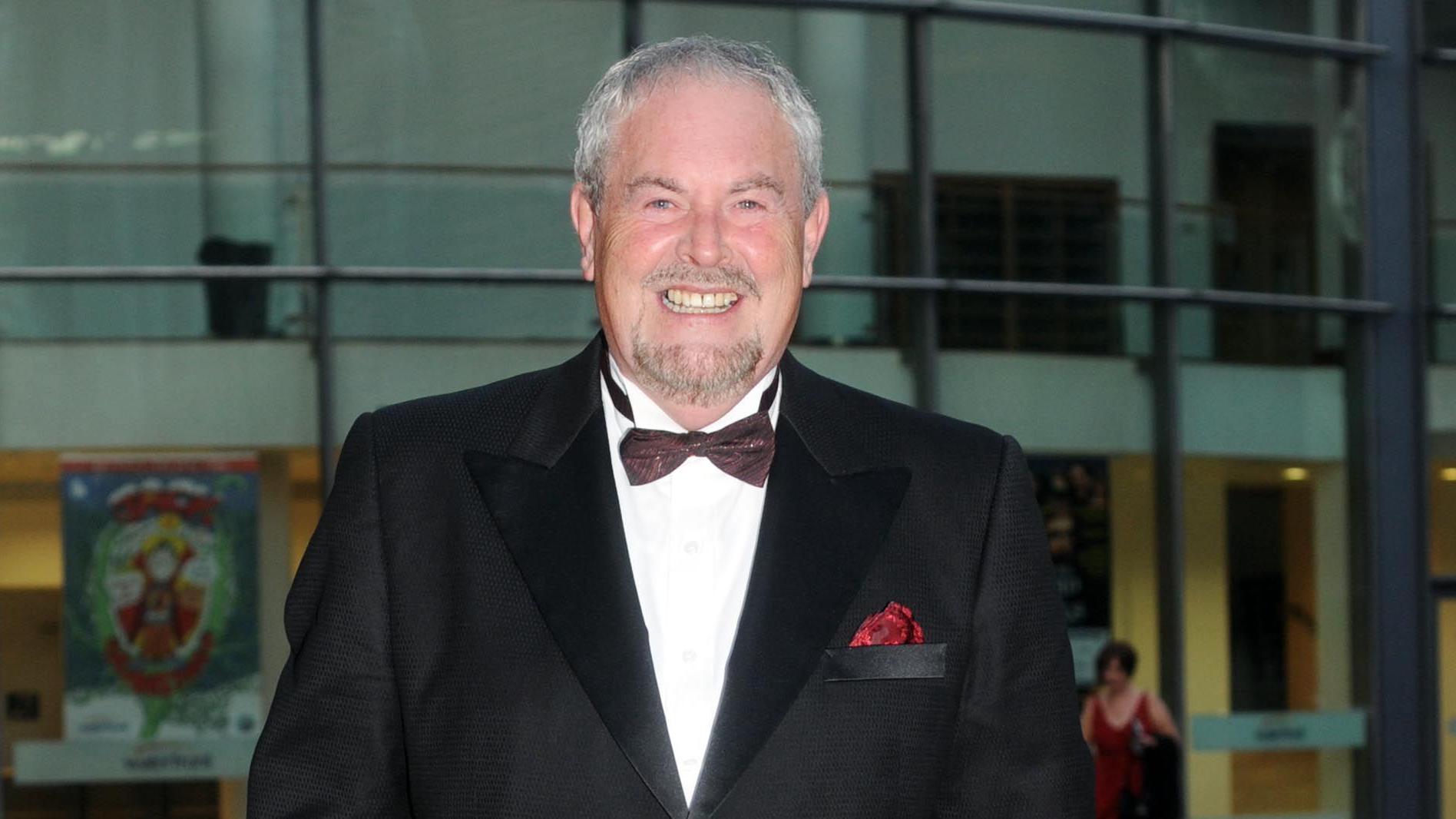
Northern Ireland woke on Monday to the news that Gerry Kelly, the broadcaster who had been a fixture in the region's living rooms for four decades, had died at his home in Coney Island, County Down, on Sunday morning. He was 77. Tributes from across the political and media landscape described a man of warmth, professionalism, and genuine affection for the people he interviewed and the audiences he entertained — a natural broadcaster in the truest sense of the phrase.
Background
Gerry Kelly was born in Ballymena on 20 September 1948, and his path to broadcasting was not a conventional one. He worked as a teacher and a lecturer at St Mary's College in Belfast before joining UTV as a part-time GAA reporter. He returned to the network in 1979 to present Good Evening Ulster, establishing himself as a reliable and personable presence on the region's screens. But it was the launch of Kelly in 1989 that transformed him from a respected journalist into a genuine household name.
The Friday night chat and variety show ran for 571 episodes over 16 years, becoming one of the most-watched programmes in Northern Ireland's broadcasting history. At its peak, Kelly attracted audiences that rivalled anything produced by the BBC in the region, and its combination of celebrity interviews, musical performances, and human-interest stories made it essential viewing for families across the community divide. The show's 2000 interview with George Best remains one of the highest-rated episodes in its history, drawing 367,000 viewers — a remarkable figure for a regional programme.
After Kelly ended in 2005, he continued working across various platforms, including BBC Radio Ulster, where he hosted programmes until 2019. In his later years, he remained active in the industry through NVTV, the Belfast-based community channel, hosting Tonight with Gerry Kelly and Conversations with Gerry Kelly. He had spoken publicly in 2018 about a cancer diagnosis two years earlier, from which he had successfully recovered at that time.
Key Developments
The news of Kelly's death broke on Sunday afternoon and was met with an immediate outpouring of tributes from across Northern Ireland's public life. Deputy First Minister Emma Little-Pengelly described him as "a familiar voice and face to generations of viewers" who had "brought warmth and humanity to Northern Irish broadcasting at a time when the region needed it most." First Minister Michelle O'Neill said Kelly had been "a bridge-builder in the truest sense — someone who could sit across from anyone and make them feel at ease."
Among the most-shared memories was the 1999 appearance on Kelly by a nine-year-old Rory McIlroy, who famously chipped golf balls into a washing machine on the set — a clip that has been widely circulated on social media since the news broke. The moment captures something essential about Kelly's show: its ability to find the human story in everyone, from global superstars to local community figures.
Kelly received a Sony Gold Award in 1993 and was inducted into the Royal Television Society Hall of Fame in 1998. He is survived by his wife and two daughters.
Why It Matters
Gerry Kelly's significance to Northern Ireland goes beyond his professional achievements. He worked throughout the Troubles and the peace process, maintaining a tone of warmth and normality at a time when the region's public life was often defined by conflict and division. His show was one of the few spaces on Northern Irish television where the ordinary pleasures of entertainment — music, laughter, celebrity gossip — could exist alongside the serious business of living through a difficult period in the region's history.
In this respect, Kelly performed a function that is easy to underestimate: he helped Northern Ireland feel normal to itself. At a time when the region's image abroad was dominated by news of violence and political deadlock, Kelly was presenting a different version of Northern Irish life — one that was funny, curious, and engaged with the wider world. That contribution, sustained over four decades, is not easily replaced.
His death comes at a moment when Northern Ireland's broadcasting landscape is itself in transition, with questions about the future of regional television production and the role of public service broadcasting in an era of streaming. Kelly represented a model of regional broadcasting — rooted in place, responsive to community — that is increasingly rare.
Local Impact
Across Belfast, tributes were paid at UTV's headquarters on Ormeau Road and at BBC Northern Ireland's studios at Broadcasting House on Ormeau Avenue. In Ballymena, where Kelly was born, local councillors called for a permanent memorial to mark his contribution to the town's cultural life. The Cathedral Quarter, where Kelly was a familiar figure at arts events and media gatherings, fell quiet on Monday morning as colleagues and friends absorbed the news. NVTV, the community channel where he had continued working in recent years, paid tribute to "a colleague, a mentor, and a friend" whose influence on a generation of Northern Irish broadcasters cannot be overstated.
What's Next
A funeral date has not yet been announced, with the family requesting privacy as they come to terms with their loss. UTV and BBC Northern Ireland are both expected to broadcast tribute programmes in the coming days. The Royal Television Society Northern Ireland has indicated it will hold a memorial event in Kelly's honour later in the year. His archive of interviews — spanning four decades of Northern Irish public life — represents an extraordinary record of the region's history, and there have already been calls for it to be preserved and made accessible to researchers and the public.