NI Health Minister Warns of 'Catastrophic' Consequences as Budget Cuts Threaten Bed Closures
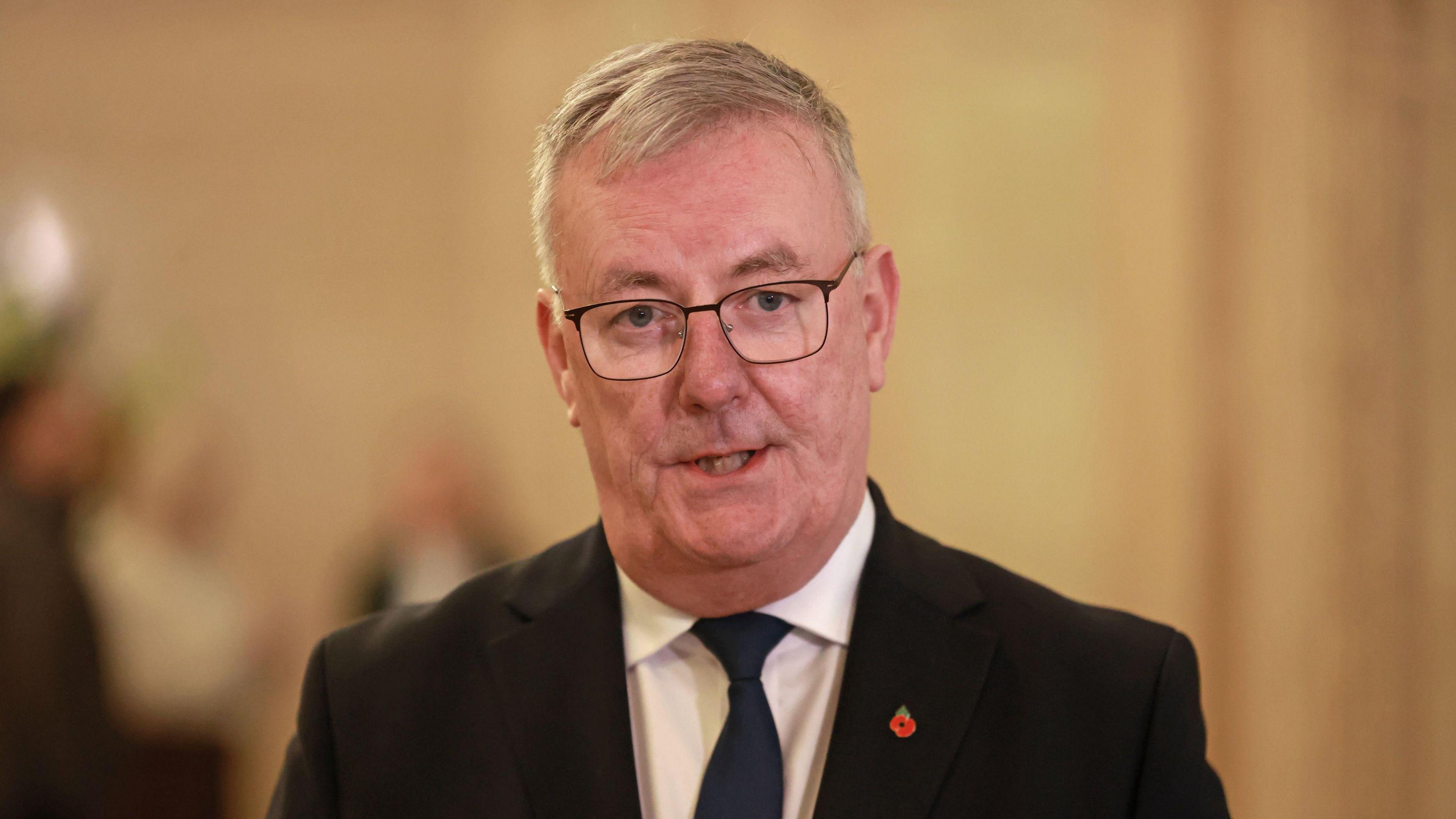
Northern Ireland's Health Minister Mike Nesbitt has warned of "catastrophic" consequences from implementing current funding levels, including the potential closure of acute beds, cutbacks in domiciliary care packages, and limitations on operating lists. The Health and Social Care system, which integrates both health and social care under one administrative structure, is operating under what officials describe as a "perfect storm" of chronic underfunding and high demand, compounded by a £130 million diversion from the budget to cover health worker pay parity.
Background
Northern Ireland's Health and Social Care (HSC) system has been under severe financial pressure for several years. Unlike the NHS in England, where health and social care are often separated between the NHS and local councils, the HSC integrates both services under one administrative structure — a model that has significant advantages in terms of care coordination but also creates a larger and more complex financial challenge. The system is delivered through five regional trusts: Belfast, Northern, South Eastern, Southern, and Western, alongside the Northern Ireland Ambulance Service.
The financial pressures facing the HSC are structural rather than cyclical. The system has been chronically underfunded relative to the cost of delivering services to a population with significant health inequalities, an ageing demographic, and high levels of deprivation in some areas. The failure to agree a Stormont budget for 2026-27 has compounded these pressures, with departments operating under contingency arrangements that limit their ability to make long-term commitments.
The £130 million diversion from the health budget to cover health worker pay parity — bringing Northern Ireland's health workers into line with their counterparts in England — was a necessary measure but one that has created a significant hole in the operational budget. The pay parity commitment was made as part of the deal to restore the Stormont Executive in 2024, but the funding to cover it has not been fully provided by the Treasury.
Key Developments
Minister Nesbitt's warnings about "catastrophic" consequences are not rhetorical. The specific impacts he has identified — acute bed closures, reduced domiciliary care, and limitations on operating lists — would have direct and immediate consequences for patients across Northern Ireland. Acute bed closures would increase pressure on emergency departments and extend waiting times for planned procedures. Reduced domiciliary care would affect the most vulnerable people in the community, including elderly people and those with disabilities who depend on home care to maintain their independence. Limitations on operating lists would extend already lengthy waiting times for elective surgery.
The "shift left" policy — which aims to move more services from hospital settings into the community — has been a central element of the Department of Health's transformation strategy. "Hospital at home" initiatives, which provide care for elderly or vulnerable patients in their own homes, are intended to reduce the burden on acute hospital beds. However, these initiatives require investment in community infrastructure that has not been forthcoming at the scale required.
The Encompass digital care record system, which has cost approximately £400 million to implement, was intended to deliver efficiencies that would help offset some of the financial pressures. While the system is now live across all trusts, the anticipated efficiencies have not yet materialised at the scale projected in the original business case.
Why It Matters
Northern Ireland's health waiting lists are among the longest in the United Kingdom. Over 400,000 people are waiting for a first outpatient appointment, and tens of thousands are waiting for inpatient or day-case procedures. These waiting times have real consequences for patients' health and quality of life, and the prospect of further deterioration — through bed closures and reduced operating capacity — is deeply concerning for clinicians, patients, and their families.
The health crisis is also a political crisis. The failure to adequately fund the HSC is a failure of governance that reflects the dysfunction of the Stormont budget process and the inadequacy of the Treasury's financial settlement for Northern Ireland. Minister Nesbitt, who comes from the Ulster Unionist Party rather than the larger parties in the Executive, has been willing to speak with unusual directness about the scale of the problem — a directness that has been welcomed by health professionals but has created political tensions within the Executive.
Local Impact
The impact of the health funding crisis is felt differently across Northern Ireland's five trust areas. In the Belfast Trust, which covers the Royal Victoria Hospital, Belfast City Hospital, and the Mater Hospital, the pressure on acute services is most intense, given the concentration of specialist services in the city. In the Western Trust, which covers Altnagelvin Hospital in Derry/Londonderry and the South West Acute Hospital in Enniskillen, the challenges of delivering services across a large geographic area with a dispersed population create additional pressures. In the Southern Trust, which covers Craigavon Area Hospital and Daisy Hill Hospital in Newry, the proximity to the border creates both challenges — in terms of cross-border patient flows — and opportunities for cross-border cooperation on specific services.
What's Next
The Department of Health is expected to publish a formal assessment of the budget situation and its implications for services in the coming weeks. The new Secretary of State for Northern Ireland, Sir Chris Bryant, will be briefed on the health funding crisis as a priority in his first days in office. The Executive's Finance Minister is expected to bring a formal budget to the Assembly before the end of the calendar year, with the health allocation a central point of contention in the negotiations between departments.