Man Dies After Falling from Eleventh Night Bonfire in Belfast as Safety Concerns Vindicated
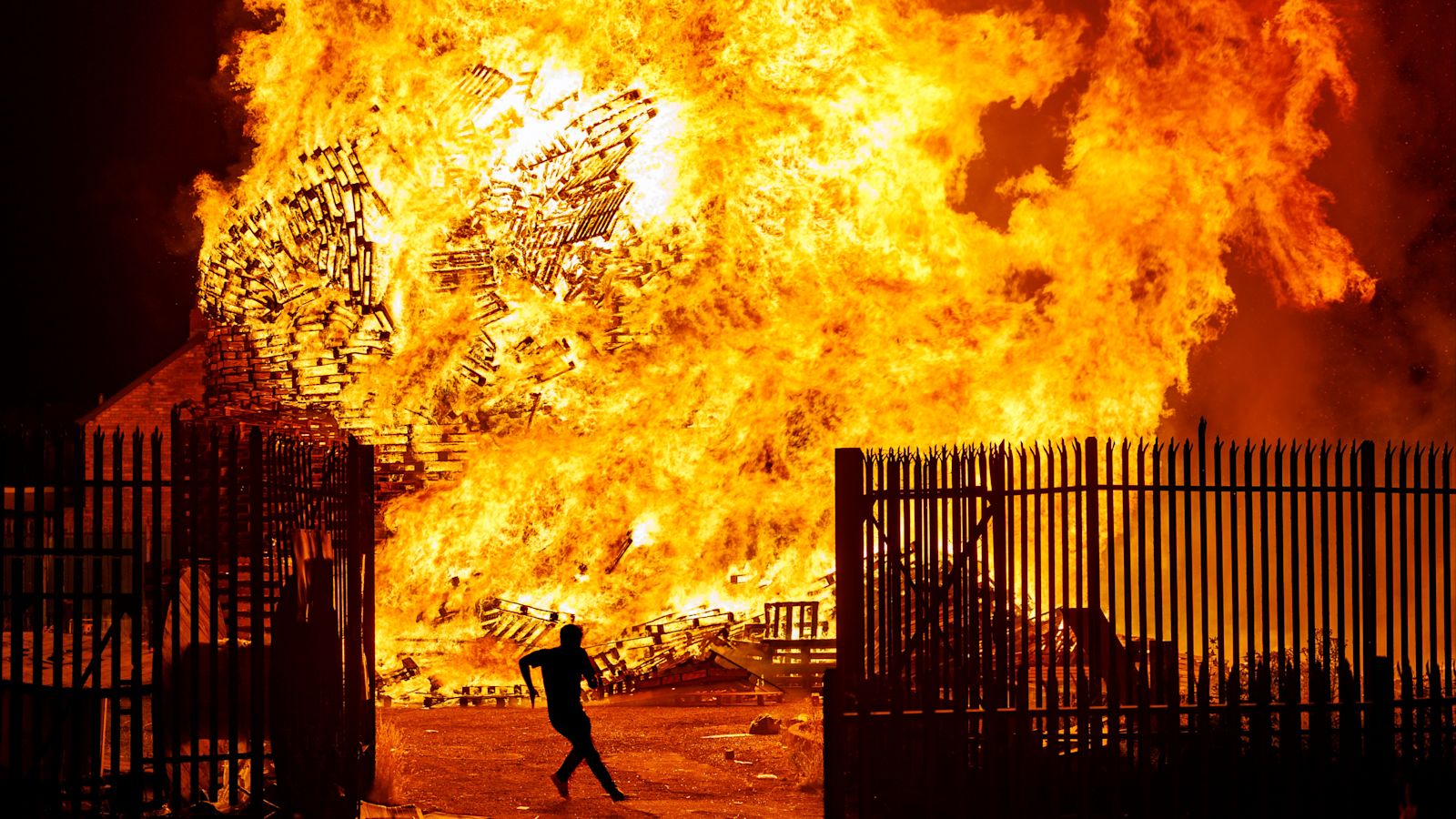
A man has died after falling from a large bonfire in Belfast during Eleventh Night celebrations on the night of July 11, in a tragedy that has brought into sharp and painful focus the long-standing warnings of safety campaigners, health authorities, and community leaders who have spent years calling for tighter regulation of bonfires that can reach heights of several storeys and burn for hours in densely populated residential areas.
Background
The Eleventh Night bonfire tradition is one of the most contested cultural practices in Northern Ireland. For many in the unionist and loyalist community, the bonfires are an integral part of the Twelfth of July celebrations, marking the eve of the anniversary of the Battle of the Boyne and serving as a focal point for community gathering and cultural expression. For others — including many within those same communities — the bonfires have become a source of serious concern, associated with antisocial behaviour, environmental damage, and, increasingly, physical danger.
Belfast City Council has for years attempted to engage with bonfire organisers through a community bonfire management scheme, offering funding and support to groups willing to relocate bonfires away from homes, power infrastructure, and other sensitive sites. The scheme has had mixed results. Some communities have engaged constructively, moving bonfires to safer locations and accepting conditions around height and materials. Others have refused to participate, and the council has limited legal powers to compel compliance.
The bonfire from which the man fell had been the subject of formal complaints and public safety warnings in the days before the Eleventh Night. Concerns had been raised about its proximity to a power substation that serves both Belfast City Hospital and the Royal Victoria Hospital — two of the most critical pieces of health infrastructure in Northern Ireland. There were also reports that the bonfire contained materials suspected to contain asbestos, a claim that had prompted calls for intervention from environmental health officers. Despite these warnings, the bonfire was built and lit.
Key Developments
The man fell from the bonfire in the early hours of July 12, sustaining injuries that proved fatal. The PSNI attended the scene and has confirmed that an investigation is underway. The Northern Ireland Fire and Rescue Service was also in attendance, as it was at dozens of other bonfire sites across the city and wider Northern Ireland throughout the night.
The death has prompted immediate calls from political leaders across the spectrum for a fundamental review of how bonfires are managed in Northern Ireland. The Alliance Party, which has long advocated for stronger regulation, renewed its call for legislation that would give councils enforceable powers to intervene where bonfires pose a demonstrable risk to life or property. Sinn Féin described the death as a preventable tragedy and called for an urgent Stormont debate on bonfire safety. The DUP, while expressing condolences to the man's family, stopped short of endorsing new legislation, instead calling for greater community engagement with existing management schemes.
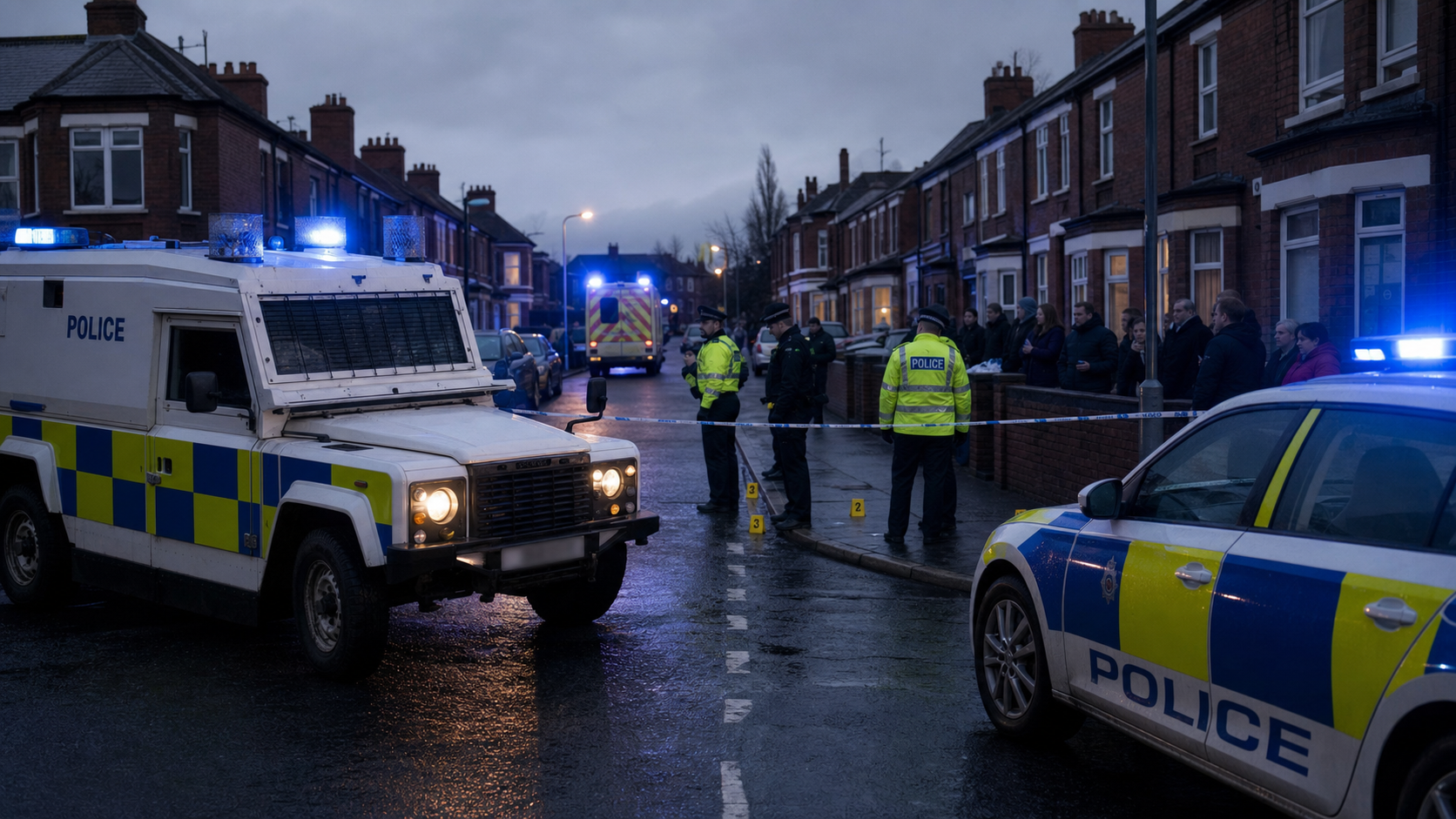
The PSNI confirmed that officers had been monitoring the bonfire site throughout the evening as part of the largest Twelfth policing operation in recent years. The precise circumstances of the fall are under investigation, and a post-mortem examination has been ordered.
Why It Matters
This death is not the first to be associated with Eleventh Night bonfires in Northern Ireland, and that fact alone demands a serious policy response. The pattern of warnings being issued, ignored, and then followed by tragedy has repeated itself with depressing regularity. The specific concerns about this bonfire — its proximity to hospital power infrastructure and the presence of suspected asbestos — were documented and communicated to the relevant authorities. The question of why those concerns did not result in intervention will be central to any subsequent inquiry.
The broader context is one of a tradition that has evolved in ways that many of its original participants would not recognise. The use of tyres, pallets treated with chemicals, and other hazardous materials has become commonplace at some sites, creating fires that burn at extreme temperatures and release toxic fumes. The height of some bonfires — structures that can reach fifteen metres or more — creates obvious risks of collapse and falling. Unlike the Republic of Ireland, where bonfires are subject to strict local authority regulation and enforcement, Northern Ireland's regulatory framework has struggled to keep pace with the scale and intensity of the tradition.
Local Impact
The bonfire site was located in a residential area of Belfast, and the impact of the man's death has been felt acutely in the surrounding community. Neighbours who had raised concerns about the bonfire in the days before the Eleventh Night have described a mixture of grief and frustration. The proximity of the bonfire to the power substation serving Belfast City Hospital and the Royal Victoria Hospital had been a particular source of anxiety, given the potential consequences of a power disruption to those facilities. Belfast City Council has confirmed it will conduct a full review of the incident and of its engagement with bonfire organisers in the area in the lead-up to the Eleventh Night.
What's Next
The PSNI investigation into the circumstances of the man's death is expected to take several weeks. A Stormont debate on bonfire safety has been requested by multiple parties and is likely to be scheduled for the autumn sitting. Belfast City Council's review of its bonfire management scheme is expected to report before the end of the year, with recommendations that may include proposals for new legislative powers. The Northern Ireland Fire and Rescue Service has indicated it will publish a full operational review of its Eleventh Night response, including the 303 emergency calls it handled during the night.