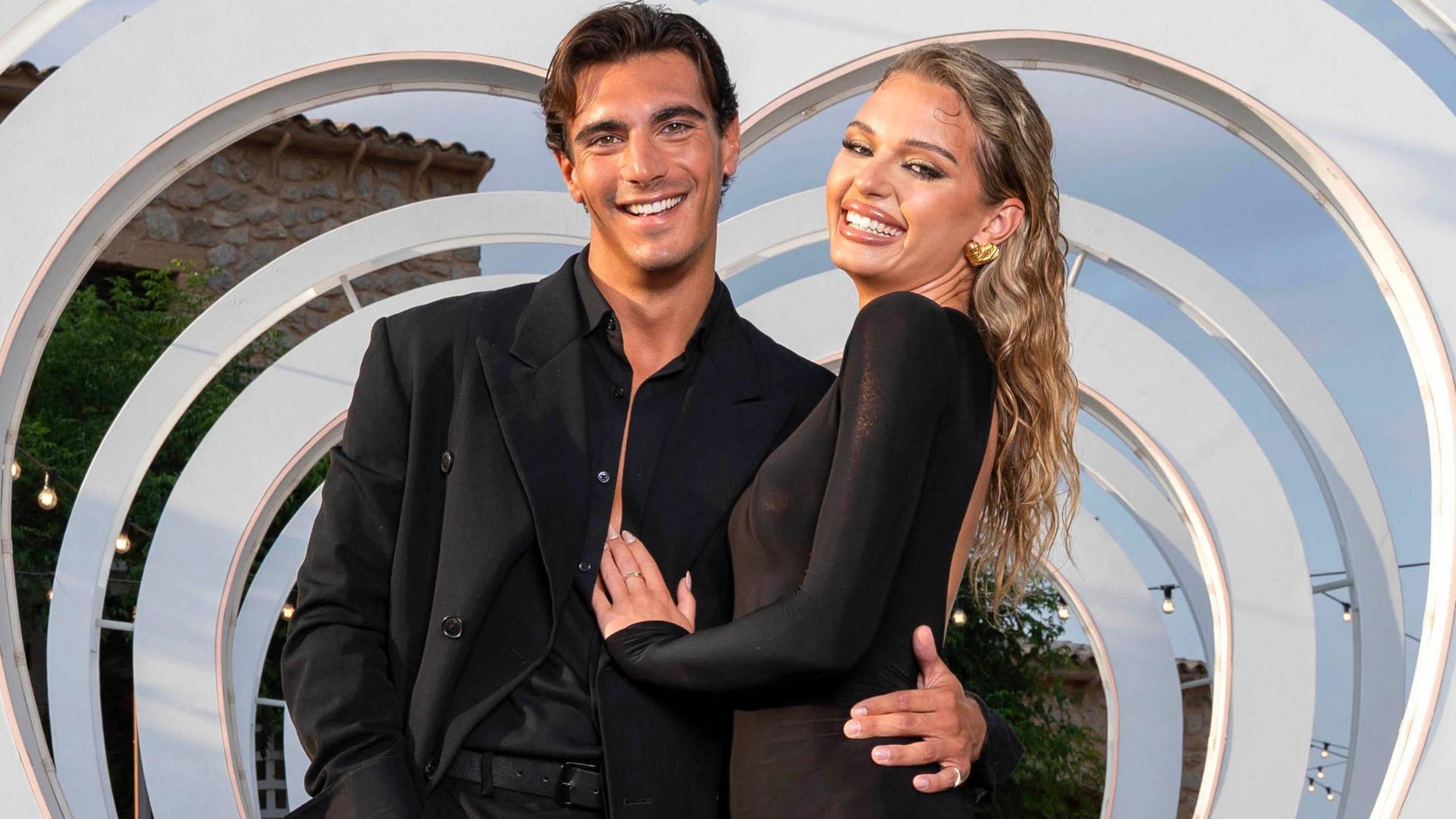
Love Island 2026: Julia and Lorenzo Crowned Winners as Irish Viewers Follow Series to Its Dramatic Finale
Julia Majchrzak and Lorenzo Alessi have been crowned the winners of Love Island 2026, with the live final on 27 July drawing enormous audiences across Ireland and Britain and generating the kind of social media engagement that has made the show one of the most culturally significant television events of the summer. The series, which featured Kavan Murphy among the runners-up couples, sparked debate in Ireland about the show's cultural impact and its relationship with the country's changing attitudes to relationships, identity, and celebrity.
Background
Love Island has been one of the most watched and most discussed television programmes in Ireland and Britain for the past decade, combining the appeal of reality television with the drama of romantic competition in a format that has proved remarkably resilient to changing tastes and viewing habits. The show, which is broadcast on ITV2 in Britain and on Virgin Media in Ireland, attracts millions of viewers each summer and generates an extraordinary volume of social media discussion that extends its cultural reach far beyond its television audience.
The show's relationship with Ireland is complex and interesting. Irish viewers have always been among the most engaged audiences for Love Island, and the show has featured a number of Irish contestants over the years who have become significant public figures in their own right. The programme's influence on Irish popular culture — on fashion, language, attitudes to relationships, and the nature of celebrity — has been the subject of considerable academic and journalistic attention, and it reflects the broader integration of Irish and British popular culture that has accelerated in the streaming era.
The 2026 series, the thirteenth edition of the show, was notable for a number of reasons, including the decision by Northern Ireland boxer Kaci Rock and her teammate Jon McConnell to withdraw from the Love Island selection process in order to prioritise their Commonwealth Games preparation — a decision that generated significant positive coverage and that reflected well on both athletes and on the values of elite sport more broadly.
Key Developments
The 2026 final, hosted by Maya Jama from the Mallorca villa, featured a unique twist in which dumped contestants Mica Harris and Samraj Toor were given the power to eliminate one additional couple before the final vote. They chose to dump Yasmin Hadlow and Tommy Stagg, reducing the final lineup from four couples to three and generating significant controversy among viewers who had expected Yasmin and Tommy to be strong contenders for the title.
The three couples who competed in the final were Julia Majchrzak and Lorenzo Alessi, who were considered fan favourites throughout the final stages of the competition; Jasmine Muller and Kavan Murphy, who finished as runners-up; and Angelista Gunda and Simba Kudyiwa, who finished in third place. Julia, a 26-year-old insurance broker from London, and Lorenzo, a 28-year-old business owner from Hertfordshire, were announced as the winners following the public vote, with Julia announcing her intention to have Lorenzo move in with her upon their return to the UK.
Kavan Murphy's appearance in the final as part of the runners-up couple generated significant interest in Ireland, where his journey through the series had been followed closely. Murphy, whose Irish connections made him a figure of particular interest to Irish viewers, was widely praised for his conduct throughout the series, and his runner-up finish was celebrated by Irish fans on social media.
The final episode, which lasted approximately 80 minutes, was one of the most watched television events of the summer in Ireland and Britain, with viewing figures expected to confirm the show's continued dominance of the summer television landscape.
Why It Matters
Love Island matters as a cultural phenomenon because it reflects and shapes attitudes to relationships, identity, and celebrity in ways that are genuinely significant. The show's enormous audience — particularly among younger viewers — means that its portrayal of relationships, its treatment of contestants, and its implicit values have a real impact on the cultural landscape. The debate that the show generates in Ireland — about authenticity, about the nature of celebrity, about the relationship between television and real life — is a debate about who we are and what we value as a society. The decision by Kaci Rock and Jon McConnell to prioritise their sporting careers over Love Island participation was widely celebrated in Ireland as a statement about the values of hard work, dedication, and genuine achievement — values that stand in contrast to the instant celebrity that the show offers. That contrast is itself a cultural statement worth examining.
Local Impact
The impact of Love Island on Irish popular culture is felt most directly among younger viewers, for whom the show is a significant shared cultural reference point. The series generates enormous social media engagement in Ireland throughout its run, with Irish viewers among the most active participants in the online conversation that surrounds the show. The show's influence on fashion, language, and attitudes to relationships is visible in Irish popular culture, and the celebrities that emerge from the show — including Irish contestants from previous series — have become significant figures in the Irish entertainment industry. The show is also a significant commercial event for Irish broadcasters and advertisers, with the Love Island final one of the most watched television events of the summer on Virgin Media.
What's Next
The Love Island 2026 winners, Julia and Lorenzo, are expected to embark on the round of media appearances and commercial partnerships that typically follow a Love Island victory, including interviews with Irish media outlets that have been following the series closely. The show's producers are already in the early stages of planning the 2027 series, with casting expected to begin in the autumn. The cultural conversation about Love Island's impact on Irish society is expected to continue in the media and in academic circles, with a number of researchers currently working on studies of the show's influence on Irish attitudes to relationships and celebrity.