Limerick's Hurling Masterclass: How John Kiely's Side Dismantled Galway to Claim a Sixth All-Ireland
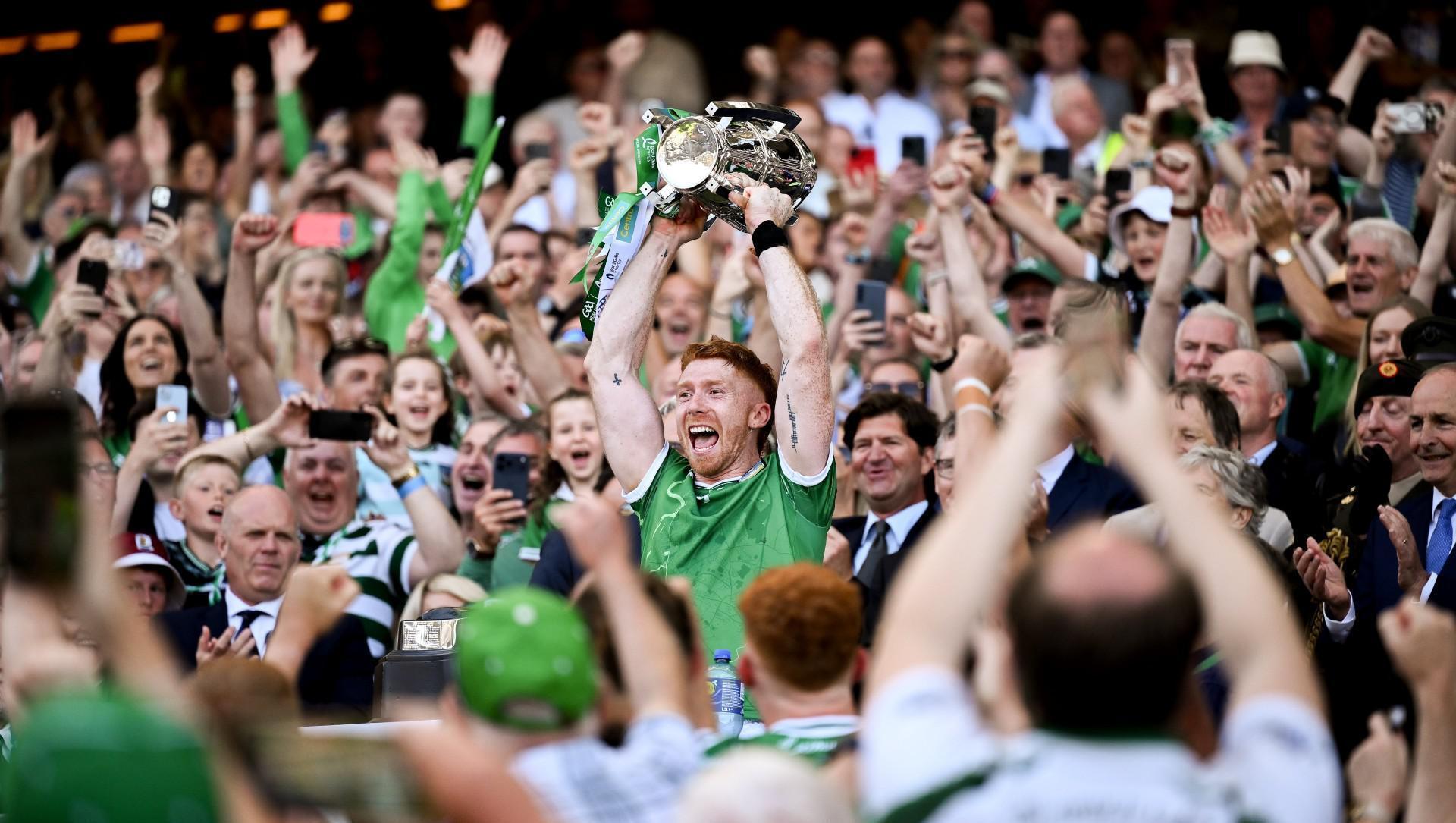
Limerick claimed their sixth All-Ireland Senior Hurling Championship in nine seasons with a commanding 1-29 to 1-18 victory over Galway at Croke Park on Sunday, July 19, in front of an attendance of 82,300. Cathal O'Neill's 43rd-minute goal proved the decisive moment in a contest that Limerick controlled for long periods, while Gearóid Hegarty — imperious throughout — was named The Sunday Game Hurler of the Year in a performance that underlined why this Limerick generation is spoken of in the same breath as the greatest county teams in GAA history.
Background
The 2026 All-Ireland Senior Hurling Championship final was the culmination of a campaign that had tested Limerick's resilience in ways that the previous three-in-a-row years had not. The setbacks of 2024 and 2025 — early championship exits that prompted genuine questions about whether the golden generation had run its course — had been answered emphatically in the 2026 campaign. Manager John Kiely, who has been the architect of Limerick's transformation from perennial underachievers to the dominant force in the game, had spoken throughout the year about the squad's hunger to reclaim the Liam MacCarthy Cup.
Galway, managed by Henry Shefflin, had earned their place in the final with a comprehensive 2-26 to 1-18 victory over Cork in the semi-final on July 4. The Tribesmen had been building steadily under Shefflin's management, and their semi-final performance suggested they had the firepower to challenge Limerick. The final, however, told a different story.
The path to the final for Limerick had included a tense semi-final victory over Clare — 1-21 to 1-19 — that required a late surge to see off a Bannermen side that had pushed them all the way. That experience, Kiely suggested afterwards, had sharpened the squad's focus for the final.
Key Developments
The final was effectively decided in a 15-minute period either side of half-time. Limerick had led by three points at the break, but the game was still in the balance. Cathal O'Neill's goal in the 43rd minute — a clinical finish after a sweeping move that began in the Limerick half-back line — broke Galway's resistance. O'Neill, who finished the match with 1-04, was named Man of the Match by referee Colm Lyons.
Galway's Ronan Glennon was sent off for a high challenge on Mike Casey in the second half, a moment that effectively ended the contest as a competitive event. By the final whistle, Limerick had outscored Galway by 1-16 to 0-10 in the second half — a margin that reflected the totality of their dominance.
Gearóid Hegarty's performance was the standout individual display of the final. The wing-back — who has evolved into one of the most complete players in the game — recorded 41 turnovers across the Limerick team, a statistic that encapsulates the defensive work rate that has been central to Kiely's system. Hegarty's Sunday Game Hurler of the Year award was the consensus choice among analysts and former players.
Captain Cian Lynch, Aaron Gillane, Peter Casey, and Aidan O'Connor were among the other Limerick players who made significant contributions. The depth of the squad — with quality performers across all lines — was evident in the manner of the victory.
Why It Matters
Six All-Ireland titles in nine seasons is a record of sustained excellence that has no modern parallel in Gaelic games. The comparison with Kilkenny's great team of the 2000s and early 2010s is inevitable, and the debate about which generation is the greater will occupy GAA followers for years. What is beyond dispute is that Limerick have redefined what is possible in terms of sustained championship dominance in the modern era, when the demands of the inter-county game — in terms of fitness, tactical sophistication, and psychological resilience — are greater than at any previous point in the sport's history.
The 2026 title is particularly significant because it came after two years of setbacks. The ability to regroup, refresh, and return to the summit of the game is the hallmark of truly great teams. Limerick have now demonstrated that capacity twice — after the 2023 final defeat and again after the 2024 and 2025 exits. That resilience, as much as the individual brilliance of players like Hegarty, Lynch, and O'Neill, is what defines this generation.
Local Impact
The impact of the All-Ireland victory on Limerick city and county has been immediate and profound. The homecoming at Pery Square on Monday evening drew an estimated 16,000 supporters, with celebrations continuing across the county's parishes and clubs throughout the week. Local businesses reported their strongest trading figures in years, with the hospitality sector estimating a combined economic boost of several million euro from the weekend's celebrations. Schools across the county marked the occasion, and Limerick City and County Council has announced plans for a formal civic reception for the team in the coming weeks. The Minor team's simultaneous All-Ireland victory — their first since 1984 — added an extra dimension to the celebrations, suggesting that the county's underage structures are producing talent at a rate that will sustain competitiveness well into the next decade.
What's Next
Attention will now turn to the club championship season, with county players returning to their clubs. The GAA's calendar review — which has been ongoing for several years — may result in changes to the championship structure for 2027, including a potential shift of the All-Ireland finals to August. John Kiely is expected to confirm his intentions regarding the senior management role before the end of the year. The Limerick Minor team's success will be celebrated at county board level, with underage development plans likely to be accelerated on the back of the double triumph.