Limerick and Galway Clash in All-Ireland Hurling Final as 82,000 Pack Croke Park for Championship Showdown
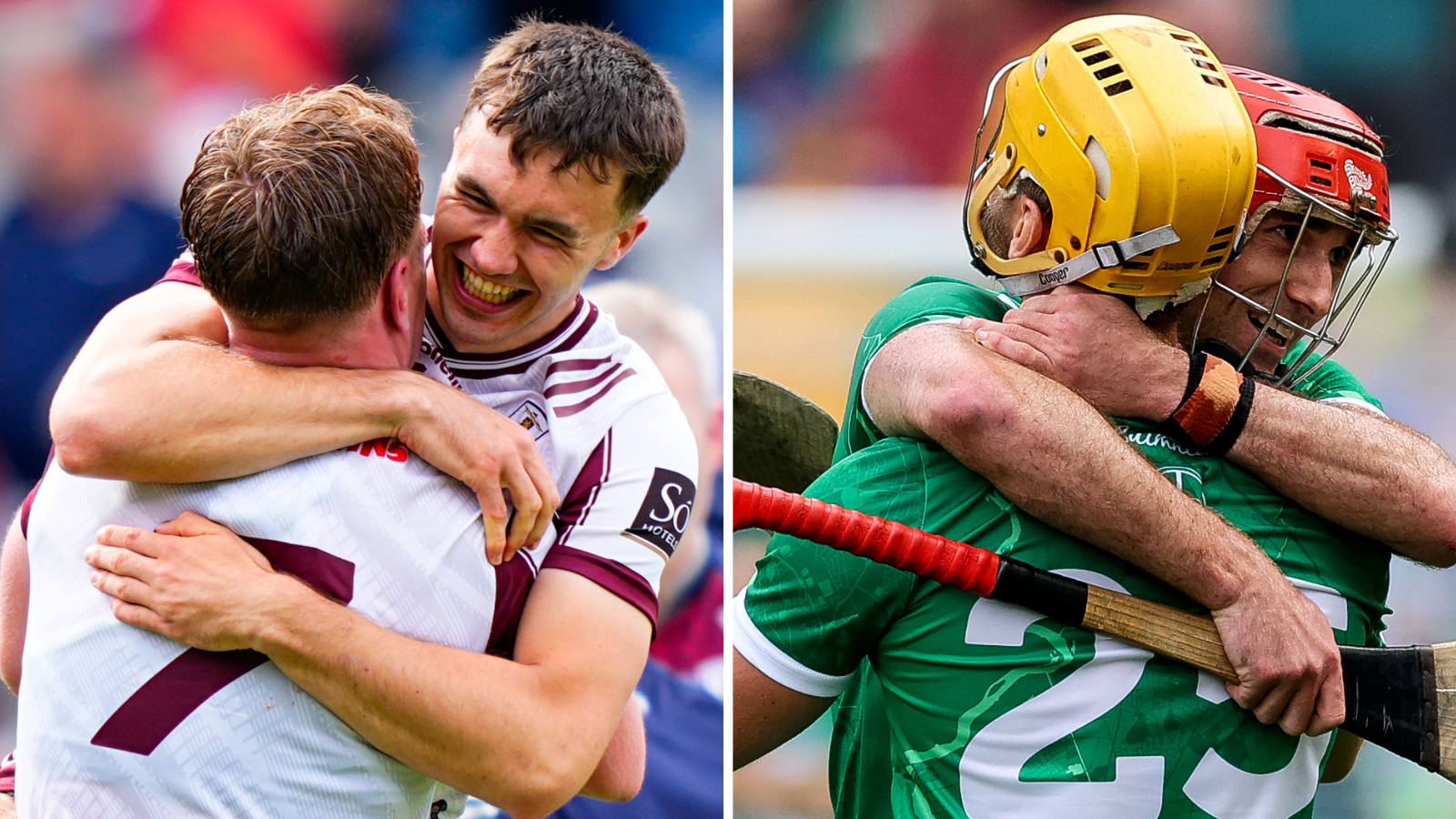
Limerick and Galway take to the Croke Park turf on Sunday 19 July in the 2026 All-Ireland Senior Hurling Championship final, with 82,000 supporters packed into the stands for a contest that pits the most dominant team in the modern era of the game against a Galway side that has been building quietly and purposefully towards this moment all season. Throw-in is at 3:30pm, with the match broadcast live on RTÉ.
Background
Limerick's dominance of hurling over the past decade has been one of the most remarkable sustained achievements in the history of Gaelic games. Under manager John Kiely, the Treaty County have won six All-Ireland titles since 2018, including back-to-back-to-back championships from 2020 to 2022 — a feat that had not been achieved since Kilkenny's four-in-a-row between 2006 and 2009. The current squad, built around a core of players who have been together since underage level, has set new standards for collective organisation, physical conditioning, and tactical sophistication that have forced every other county to fundamentally rethink their approach to the game.
Galway's journey to the 2026 final has been one of the stories of the championship. Under manager Micheál Donoghue, who guided the county to their last All-Ireland title in 2017, the Tribesmen have rediscovered the attacking verve and collective spirit that made them such a formidable force in the late 2010s. Their semi-final performance against Cork was one of the most complete displays of hurling seen at Croke Park in years, with the Galway forwards dismantling a Cork defence that had been one of the most miserly in the province all summer.
The two counties have met in the All-Ireland final on three previous occasions, with Limerick winning the most recent encounter in 2018 by a single point in a match that is still talked about as one of the great finals of the modern era. That narrow defeat has been a source of motivation for the Galway squad ever since, and several of the players who were on the pitch that day are still in the starting fifteen for Sunday's final.
Key Developments
The biggest team news ahead of the final is the confirmation that Limerick captain Cian Lynch will start in midfield after overcoming the leg injury that forced him to miss the semi-final victory over Clare. Lynch, a two-time Hurler of the Year and one of the most gifted players of his generation, is the creative heartbeat of the Limerick team, and his presence transforms the options available to Kiely in terms of both attack and defence. His return sees Darragh O'Donovan make way, while Mike Casey comes into the full-back line to replace Dan Morrissey.
Galway manager Micheál Donoghue has named an unchanged starting fifteen from the team that defeated Cork in the semi-final, a decision that reflects his confidence in the players who delivered that performance and his belief that continuity and familiarity are more valuable than tactical surprise at this stage of the championship. The Galway attack, led by the in-form Conor Whelan and the experienced Joe Canning, will be the primary threat to a Limerick defence that has conceded fewer scores than any other team in the championship.
The match will be refereed by Colm Lyons of Cork, who is officiating his second All-Ireland senior final. In the event of a draw after 70 minutes, 20 minutes of extra time will be played; if the score remains level after extra time, a replay is scheduled for 1 August at Croke Park. Limerick manager John Kiely, speaking in the build-up to the final, urged the Limerick supporters in the crowd to "make themselves heard" and to drive the team forward in what he described as the biggest game of the season.
Why It Matters
A Limerick victory today would complete a historic treble — League, Munster, and All-Ireland — for the third time under Kiely's management, a feat that would cement their status as the greatest team in the history of the game. No county has won three trebles in the modern era, and the achievement would place this Limerick squad in a category of their own in the annals of hurling. For the players, many of whom have been together since winning the All-Ireland minor title in 2013, it would represent the culmination of a journey that has already produced more silverware than any previous generation of Limerick hurlers.
For Galway, the significance of the occasion is equally profound. The county has not won the Liam MacCarthy Cup since 2017, and the intervening years have been marked by near-misses and the frustration of watching Limerick accumulate titles that Galway felt they were capable of winning. A victory today would vindicate Donoghue's decision to return to the management role and would confirm that Galway have re-established themselves as genuine contenders at the top of the game.
The final also coincides with a remarkable day in international sport. The FIFA World Cup final and the final round of The Open Championship at Royal Birkdale are both taking place on the same afternoon, creating a "Super Sunday" for sports fans that has not been seen since the 2012 Olympics. For Irish sports fans, the hurling final takes precedence — it always does — but the day's broader sporting context adds an extra dimension to what is already one of the most anticipated events of the year.
Local Impact
The impact of the All-Ireland final on Limerick and Galway cities is already being felt. Both cities have been transformed by the build-up to the match, with county colours draped from buildings, pubs packed with supporters, and a sense of collective anticipation that is unique to the GAA's championship season. In Limerick city, the Milk Market and the surrounding streets have been the focal point of the pre-match celebrations, while in Galway, the Latin Quarter and Shop Street have been awash with maroon and white.
The economic impact of the final on Dublin is also significant. Hotels across the capital are fully booked, with supporters from both counties having descended on the city for the weekend. Restaurants, pubs, and transport services are all operating at full capacity, and the DART and Luas services to Croke Park are expected to carry record numbers of passengers in the hours before throw-in. The GAA estimates that the All-Ireland final weekend generates approximately €50 million in economic activity for the Dublin economy.
What's Next
The result of today's final will shape the narrative of the 2026 hurling season and will have implications for the winter transfer and management market. If Limerick win, the debate about their place in the pantheon of great hurling teams will intensify, with comparisons to the Kilkenny teams of the 2000s and 2010s inevitable. If Galway win, it will signal a genuine shift in the balance of power in hurling and will raise questions about whether Limerick's era of dominance is coming to an end. Either way, the 2026 All-Ireland Hurling Final promises to be a match that will be talked about for years to come.