Israel Pounds Lebanon with Deadliest Strikes of the War, Killing Over 180 and Testing Ceasefire
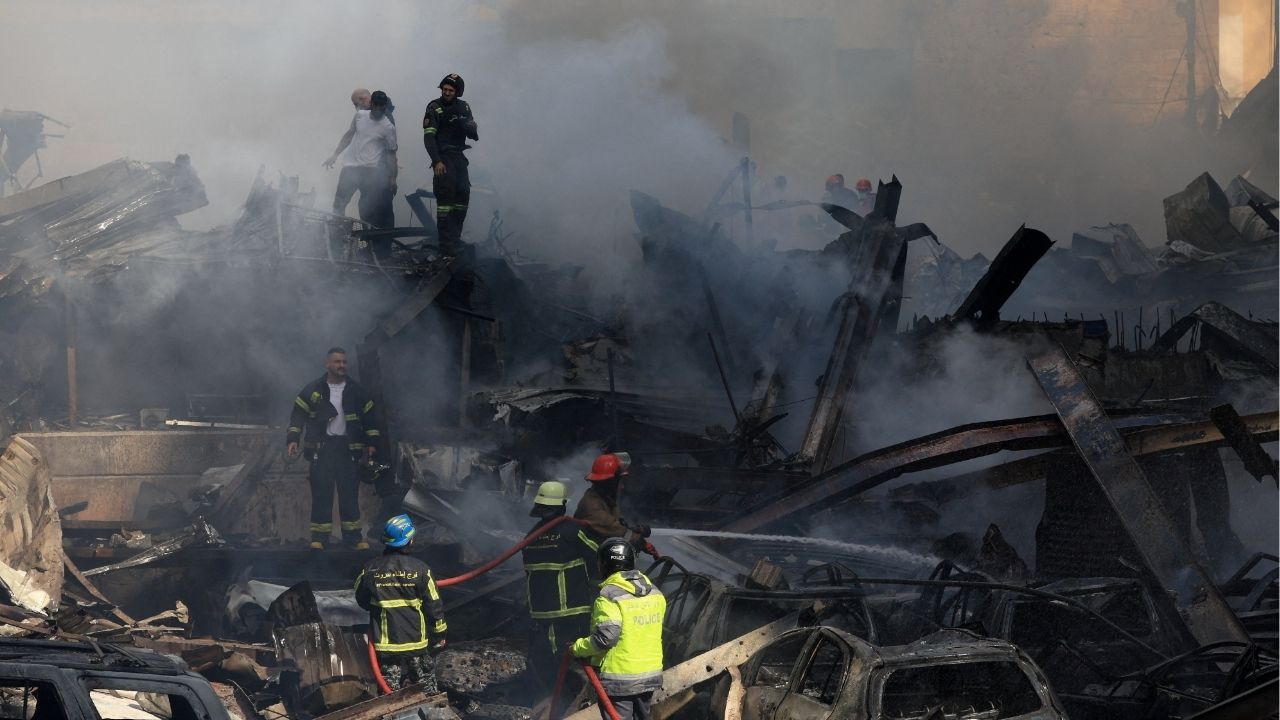
Israel has carried out its most devastating series of airstrikes on Lebanon since the conflict began, killing more than 180 people in a single day and severely testing the fragile US-Iran ceasefire that was announced just hours earlier.
The strikes, which targeted areas across Lebanon including central Beirut, came after Israeli Prime Minister Benjamin Netanyahu declared that the ceasefire agreement between the US and Iran did not apply to Israel's military operations in Lebanon. The White House confirmed this position, stating that the ceasefire was a bilateral arrangement between Washington and Tehran and did not constrain Israeli action.
Background
The conflict in Lebanon has its roots in the broader regional confrontation that erupted in late February 2026, when joint US-Israeli airstrikes targeted Iran's nuclear and ballistic missile programmes. Hezbollah, Iran's most powerful regional proxy, had been engaged in a sustained exchange of fire with Israeli forces along the Lebanese border since the conflict began, launching rockets and anti-tank missiles into northern Israel while Israeli forces struck Hezbollah infrastructure across southern Lebanon and the Bekaa Valley.
The US-Iran ceasefire, brokered by Pakistan and announced on 8 April, was intended to create space for diplomatic negotiations. However, the agreement was explicitly limited to the bilateral conflict between Washington and Tehran, with the White House confirming that it did not constrain Israeli military action. Netanyahu's government had made clear from the outset that it would not be bound by any ceasefire that left Hezbollah's military capabilities intact.
Lebanon entered the conflict already in a state of profound fragility. The country has been struggling with economic collapse, political dysfunction, and the aftermath of the 2020 Beirut port explosion for years. The renewed Israeli bombardment has placed enormous additional strain on a health system and infrastructure that were already close to breaking point.
Key Developments
The Israeli military carried out what it described as targeted strikes against Hezbollah infrastructure and command centres across Lebanon. However, the scale of the bombardment — with reports of 160 bombs dropped in a single operation — resulted in significant civilian casualties and widespread destruction in residential areas. Rescue workers and medical teams struggled to respond to the scale of the casualties, with hospitals in Beirut and southern Lebanon overwhelmed.
Iran condemned the strikes, with senior officials warning that continued Israeli military action in Lebanon could undermine the ceasefire and derail the diplomatic process. The Lebanese government appealed to the United Nations Security Council for an emergency session. US President Trump described the Israeli strikes as a "separate skirmish," a characterisation that drew criticism from European governments and human rights organisations. The UK Foreign Office expressed "deep concern" about civilian casualties and called for all parties to exercise restraint.
Hezbollah announced a temporary pause in its own attacks following the ceasefire announcement, but warned that it reserved the right to respond to Israeli strikes. The group's leadership is under significant pressure from Iran to avoid actions that could derail the diplomatic process, but the scale of the Israeli bombardment has made restraint increasingly difficult to maintain.
Why It Matters
The situation in Lebanon represents one of the most significant tests of the fragile US-Iran ceasefire. The strikes have exposed a fundamental tension at the heart of the diplomatic framework: a ceasefire between the US and Iran that explicitly excludes Israeli military action in Lebanon is, in practice, a ceasefire in name only for the Lebanese people. If Hezbollah resumes large-scale attacks on Israel in response to the bombardment, it could trigger a broader escalation that draws Iran back into direct conflict with the United States — potentially collapsing the ceasefire before the two-week window expires. The international community's ability to restrain Israeli military action while simultaneously pressing Iran to maintain the truce is being tested to its limits.
Local Impact
For the United Kingdom, the strikes on Lebanon add a further layer of complexity to an already fraught diplomatic situation. The UK has significant interests in regional stability — both in terms of energy security and the safety of British nationals in Lebanon, of whom there are several thousand. The Foreign Office's call for restraint reflects the government's awareness that the conflict in Lebanon has the potential to derail the broader diplomatic process and reignite the energy market disruption that the ceasefire was intended to end. For communities across Northern Ireland and the Republic with connections to the Lebanese diaspora, the human cost of the bombardment is felt acutely.
What's Next
Diplomatic efforts are focused on persuading Israel to exercise restraint in Lebanon while the US-Iran talks in Islamabad proceed. The coming days will be critical in determining whether the ceasefire can survive the pressure being placed on it by the ongoing Israeli military campaign. Follow live updates at Al Jazeera. Further analysis is available from the UK Parliament Research Briefing on the Iran conflict.