Irish Whiskey Industry Welcomes Tariff Removal as US Market Reopens for €450 Million Annual Export Trade
The Irish Whiskey Association has welcomed Donald Trump's announcement removing the 10% tariff on Irish whiskey imports to the United States as a major commercial win for an industry that exports approximately €450 million worth of product to the American market annually — and that had been operating at a competitive disadvantage compared to Scotch whisky and Northern Irish spirits, which had already secured zero-tariff access to the US market in May 2026.
Background
The Irish whiskey industry has undergone a remarkable transformation over the past two decades. From a sector that was dominated by a handful of large distilleries producing a relatively narrow range of products, it has evolved into a diverse and dynamic industry with over 50 active distilleries producing everything from traditional pot still whiskey to innovative grain and blended expressions. The industry's growth has been driven primarily by export demand, with the United States — the world's largest spirits market — at the centre of that story.
The tariff imposed on Irish whiskey as part of the broader US-EU trade dispute had been a significant drag on the industry's growth trajectory. While the levy was reduced from 15% to 10% in July 2026 as part of wider US tariff adjustments, it still placed Irish whiskey at a meaningful competitive disadvantage compared to Scotch whisky and spirits produced in Northern Ireland, which had secured zero-tariff access to the US market following diplomatic engagement with the Trump administration in May 2026.
The Irish Whiskey Association had been lobbying intensively for the removal of the tariff since its imposition, arguing that it was creating uncertainty for American consumers, disadvantaging US companies that distribute Irish whiskey brands, and undermining the investment decisions of distilleries that had been planning to expand their US operations. The association's chief executive had met with senior officials in the US administration on multiple occasions, and the Irish government had raised the issue at the highest diplomatic levels.
Key Developments
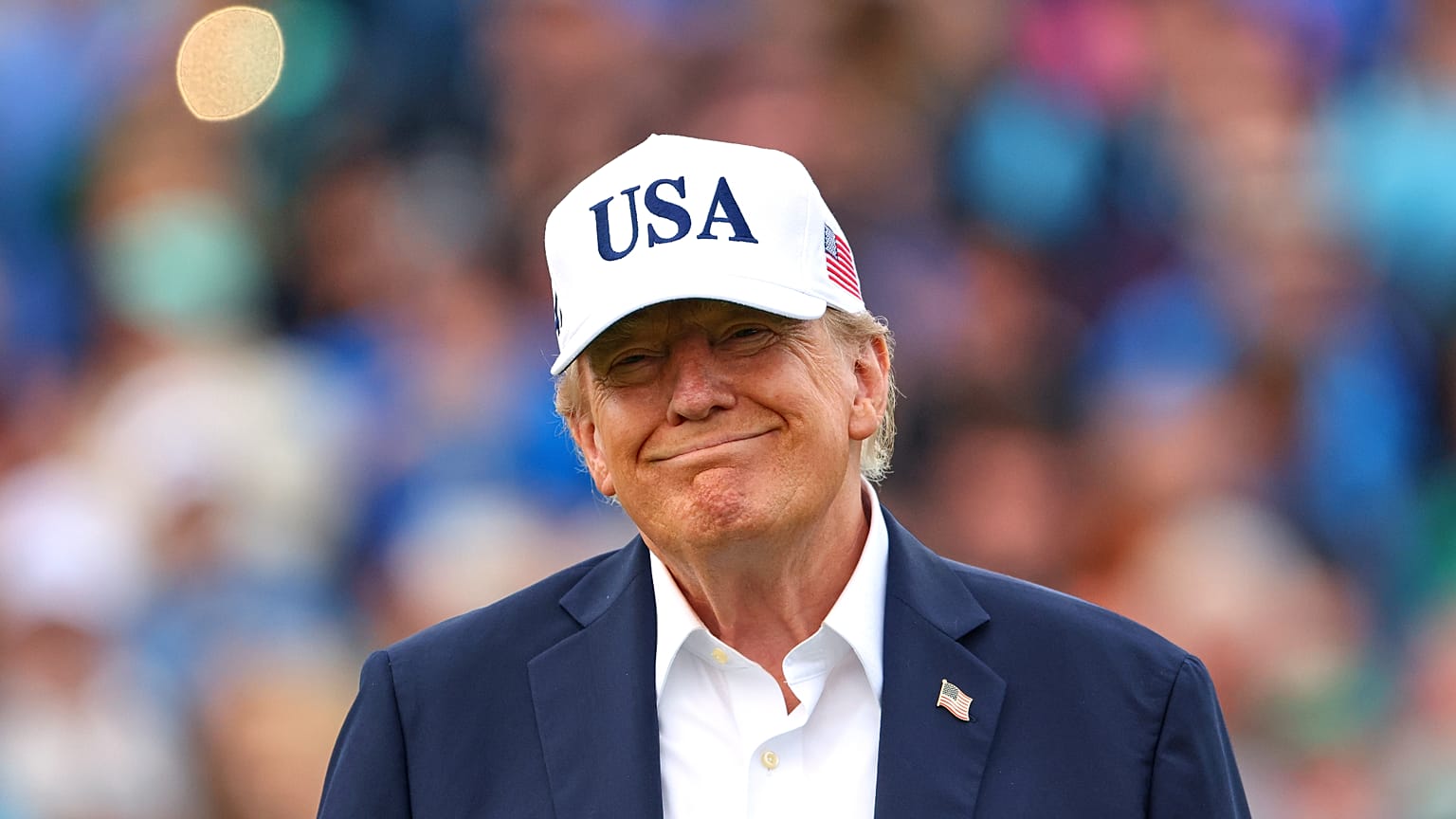
The announcement of the tariff removal at the Irish Open trophy ceremony in Doonbeg was unexpected in its timing and setting — few in the industry had anticipated that the breakthrough would come in such a public and theatrical fashion — but the commercial implications are entirely clear. From the moment the tariff is formally removed, Irish whiskey will compete on equal terms with Scotch and Northern Irish spirits in the US market, eliminating a disadvantage that had been costing the industry tens of millions of euros annually in lost sales and reduced margins.
The Irish Whiskey Association's chief executive described the announcement as a "winning goal" for the industry, noting that the timing — ahead of the key holiday trading period in November and December — could not be better. The association has indicated that it will work with the US administration to ensure the tariff removal is implemented as quickly as possible, with the aim of having the new zero-tariff regime in place before the holiday season begins.
The Distilled Spirits Council of the United States also welcomed the announcement, noting its positive implications for American retailers, restaurants, and consumers. The Council's president and CEO described the move as "a positive step for the entire spirits industry" and expressed hope that it would be followed by further progress on trade barriers affecting other spirits categories.
Why It Matters
The removal of the tariff is significant not just for the Irish whiskey industry but for the broader Irish economy. The drinks sector is one of Ireland's most successful export industries, contributing significantly to GDP, employment, and the country's international brand. The whiskey industry in particular has been a driver of rural economic development, with distilleries established in counties from Donegal to Kerry creating jobs and attracting tourists in areas where alternative economic opportunities are limited.
The competitive dynamics of the US spirits market are such that even a 10% tariff can have a significant impact on market share. American consumers are price-sensitive, and a 10% premium on Irish whiskey relative to Scotch or bourbon — which are not subject to the same levy — is enough to shift purchasing decisions at the margin. The removal of the tariff will allow Irish brands to compete on the basis of quality and taste rather than being handicapped by an artificial price disadvantage.
For the growing number of craft distilleries that have established US distribution in recent years, the tariff removal is particularly significant. These smaller producers — many of which are family-owned businesses operating on tight margins — have found the tariff a genuine barrier to growth, and its removal opens up possibilities that were previously uneconomic.
Local Impact
The impact of the tariff removal will be felt across the Irish whiskey industry, from the large multinationals — Pernod Ricard's Jameson, Casa Cuervo's Bushmills — to the craft distilleries that have been established in recent years in counties including Tipperary, Waterford, Galway, and Donegal. For the craft sector in particular, the US market represents a significant growth opportunity, and the removal of the tariff will make it easier for smaller producers to establish and expand their American presence.
In County Clare, where the Doonbeg announcement was made, the local economy has benefited significantly from the Trump resort's presence, and the high-profile nature of the Irish Open — attended by the US President and generating global media coverage — will provide a further boost to tourism in the region. The Burren Whiskey Distillery, established in County Clare in 2023, is among the craft producers that will benefit most directly from the tariff removal.
What's Next
The Irish Whiskey Association has indicated that it will work with the US administration to ensure the tariff removal is implemented before the holiday trading period. The Department of Enterprise, Trade and Employment has confirmed that officials are in contact with their US counterparts to agree the technical details of the implementation. The association is also planning a promotional campaign in the US market to capitalise on the tariff removal, with a particular focus on the holiday season and on the growing craft whiskey segment where Irish producers have significant competitive advantages.