Irish Pilgrims Among 700,000 at Pope Leo's Paris Mass as Pontiff Warns Against AI 'Paradise of Machines'
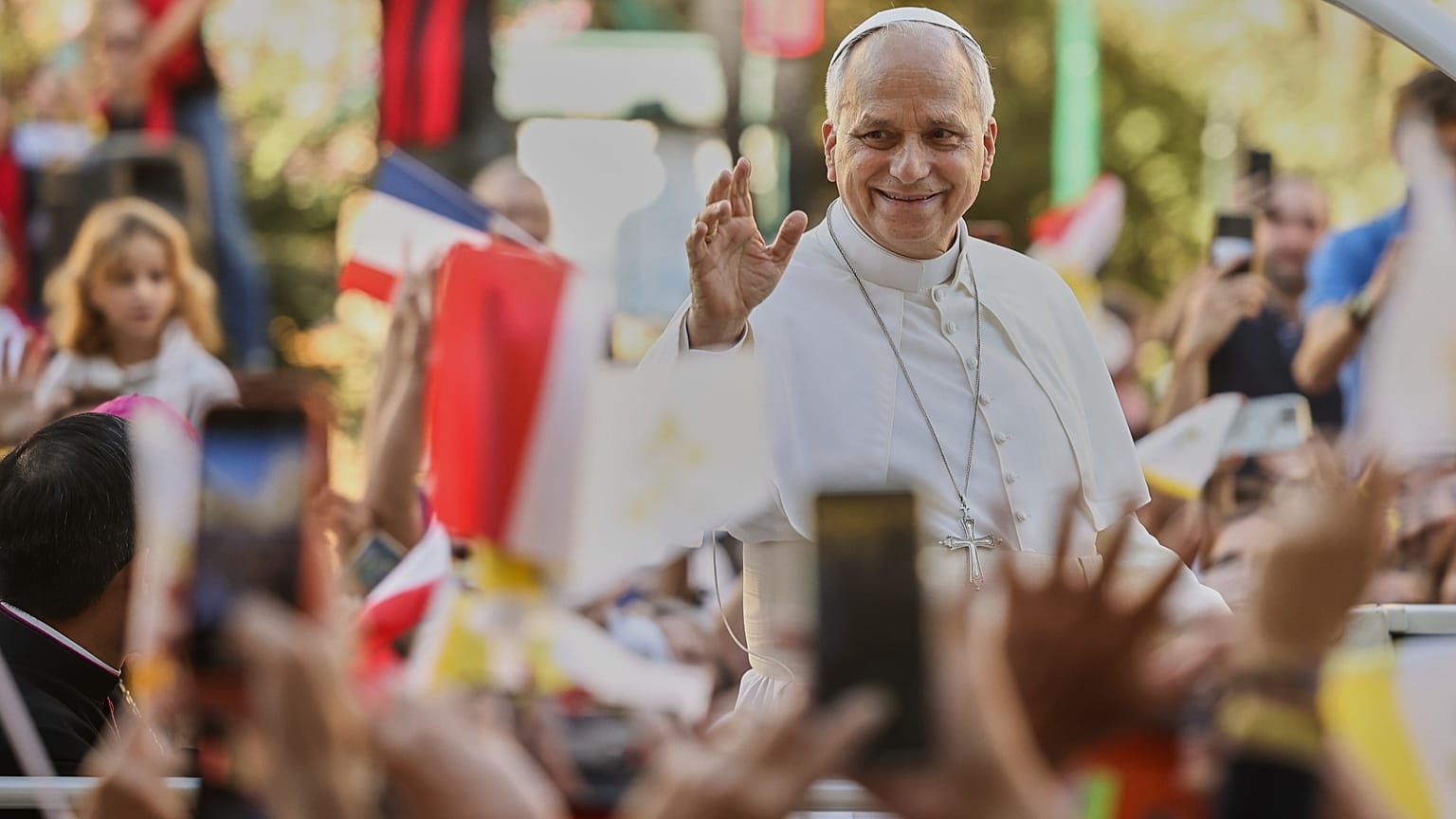
Irish pilgrims were among the estimated 700,000 people who attended Pope Leo XIV's open-air Mass at the Place de la Concorde in Paris on Saturday, as the pontiff's four-day visit to France — the first papal trip to the country in 18 years — drew enormous crowds, generated significant media coverage, and provided the Pope with a platform to warn against an AI-driven "paradise of machines" and to advocate for migrants, the poor, and the victims of clerical abuse.
Background
Pope Leo XIV, who was elected to the papacy in 2025 following the death of Pope Francis, has established himself as a pontiff with a distinctive public voice on issues of social justice, technology, and international affairs. His election was welcomed by many in the Catholic Church as a continuation of the reforming impulse associated with his predecessor, and his early papacy has been characterised by a willingness to engage with contemporary issues — from artificial intelligence to climate change to the ongoing conflicts in Gaza and Ukraine — in direct and sometimes provocative terms.
The visit to France was the Pope's first major European trip outside Italy and represented a significant diplomatic and pastoral undertaking. France, which has the largest Catholic population in Western Europe but also one of the most secular political cultures, presented a particular challenge for the papacy. The country's strict separation of church and state — enshrined in the 1905 law on laïcité — means that any papal visit inevitably generates debate about the appropriate relationship between religious institutions and public life. The choice of the Place de la Concorde — a site of profound historical and political significance in the heart of the secular French republic — as the venue for the open-air Mass was itself a statement about the Catholic Church's claim to a place in French public life.
Ireland has a long and complex relationship with the papacy, shaped by the country's predominantly Catholic heritage, the trauma of the clerical abuse scandals, and the significant social changes of recent decades. The last papal visit to Ireland — Pope Francis's visit for the World Meeting of Families in 2018 — was marked by the shadow of the abuse crisis and drew smaller crowds than anticipated. The visit to Paris, while not directly involving Ireland, has nonetheless attracted significant interest from Irish Catholics, many of whom travelled to France for the occasion.
Key Developments
The Mass at the Place de la Concorde on Saturday drew an estimated 700,000 people, exceeding the number of pre-registered attendees and requiring a 2.2-kilometre security perimeter, with approximately 14,500 security personnel deployed including police, military, and snipers. The event was one of the largest public gatherings in Paris in recent years and required significant road closures and metro station shutdowns across the city.
In his homily, Pope Leo encouraged the faithful to share their faith openly and emphasised that material possessions cannot provide true happiness. He also issued a warning about the dangers of artificial intelligence, describing the prospect of an AI-driven "paradise of machines" as a threat to human dignity and authentic community. The warning, which echoed concerns he had expressed at the United Nations earlier in the week, was widely reported and generated significant debate about the relationship between technology and human flourishing.
The Pope also met with migrants at the Maison Bakhita during his visit, advocating for dignity and peaceful coexistence, and addressed the issue of clerical sex abuse, meeting with victims toward the end of his trip. The previous evening, he had addressed approximately 80,000 young people at a vigil at a national stadium north of Paris, referring to them as the "saints of France."
Why It Matters
The Paris visit matters for Irish Catholics for several reasons. First, it demonstrates that the papacy under Leo XIV is willing to engage with the major issues of the day — technology, migration, abuse — in a direct and substantive way, rather than retreating into institutional defensiveness. Second, the enormous crowds at the Place de la Concorde suggest that, despite the decline in regular Mass attendance across Western Europe, there remains a significant reservoir of Catholic identity and sentiment that can be mobilised by a compelling papal presence. Third, the Pope's warning about artificial intelligence resonates in Ireland, where the technology sector is a major employer and where questions about the social and ethical implications of AI are increasingly prominent in public discourse. For Irish pilgrims who made the journey to Paris, the experience of participating in a Mass of this scale and significance will have been a profound one.
Local Impact
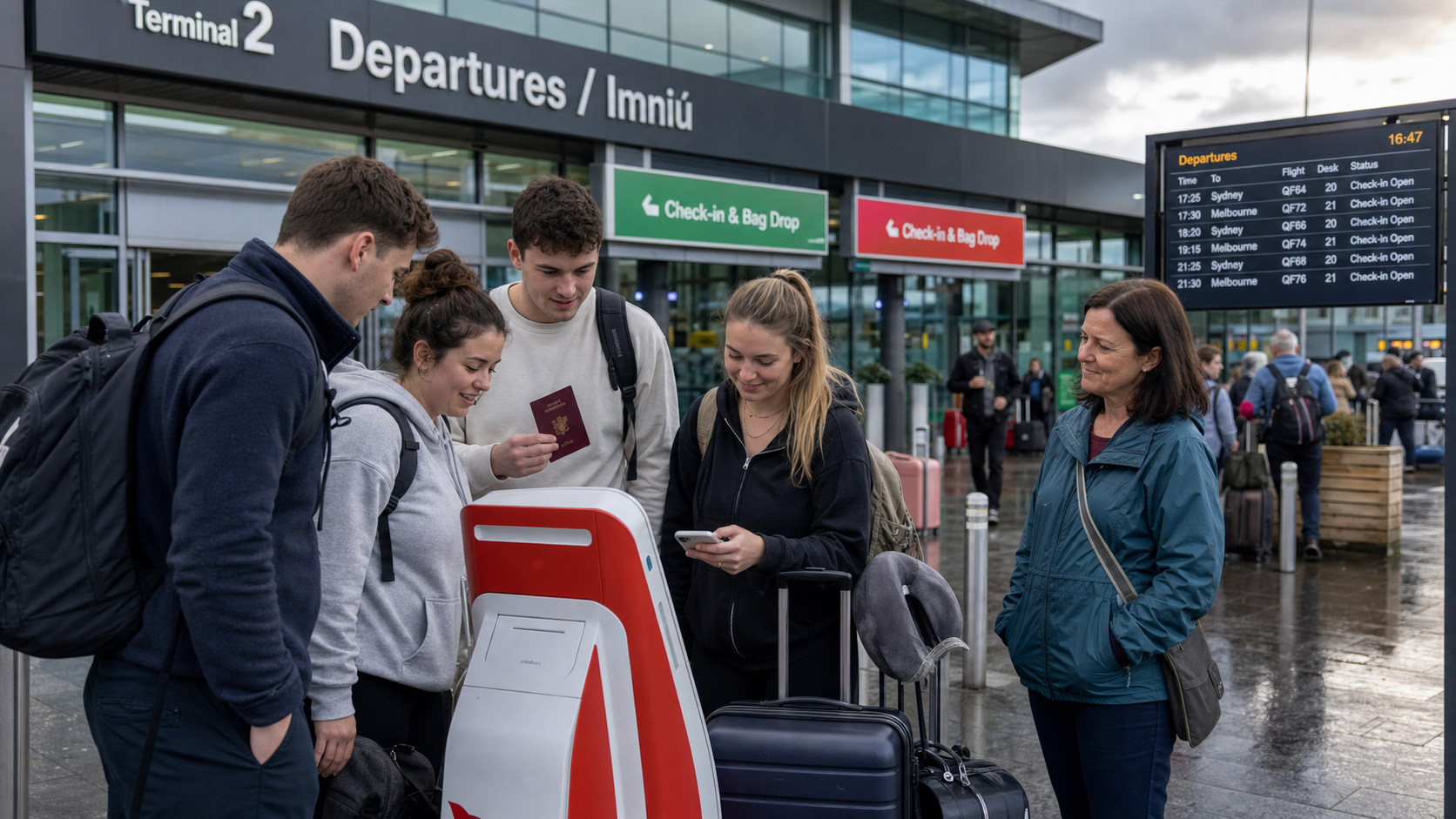
The Irish pilgrims who attended the Paris Mass came from communities across Ireland, with organised pilgrimages departing from Dublin, Cork, Galway, and other cities in the days before the event. Many of those who travelled were members of parish groups, religious organisations, and Catholic youth movements, and their experience of the Mass will be shared with their communities on their return. The visit has also generated significant media coverage in Ireland, with RTÉ, the Irish Times, and the Irish Examiner all providing extensive reporting on the event. For the Irish Catholic Church, which continues to navigate the aftermath of the abuse scandals and the challenges of declining attendance, the positive coverage of the Paris visit provides a welcome moment of renewal and inspiration.
What's Next
Pope Leo XIV's visit to France continues through Sunday, with the Pope expected to meet with abuse victims and to celebrate a final Mass before departing for Rome. The visit is expected to be followed by a period of reflection within the French Catholic Church about the implications of the enormous public response to the papal presence. In Ireland, the Irish Catholic Bishops' Conference is expected to issue a statement welcoming the visit and reflecting on its significance for the Irish Church. There is growing speculation about the possibility of a papal visit to Ireland in the coming years, with the 2028 Eucharistic Congress — which Ireland is expected to host — providing a potential occasion for such a visit.